What will it take for Malaysian local governments to transform conventional public buildings into Positive Energy Buildings (PEBs)?
Local governments across Melaka State concluded a hands-on training on 13 July 2026 with draft municipal action plans that could help improve building energy performance and accelerate the transition towards such low-carbon and renewable energy-powered PEBs.
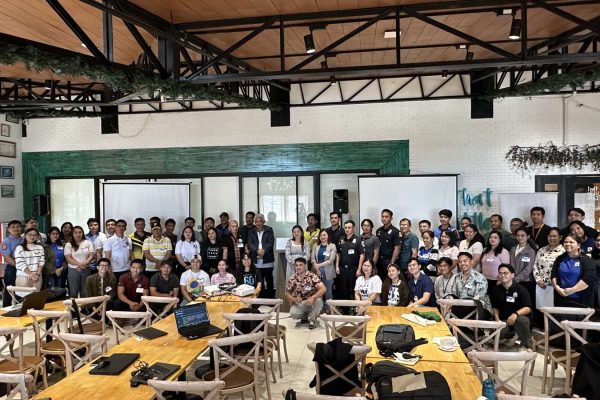
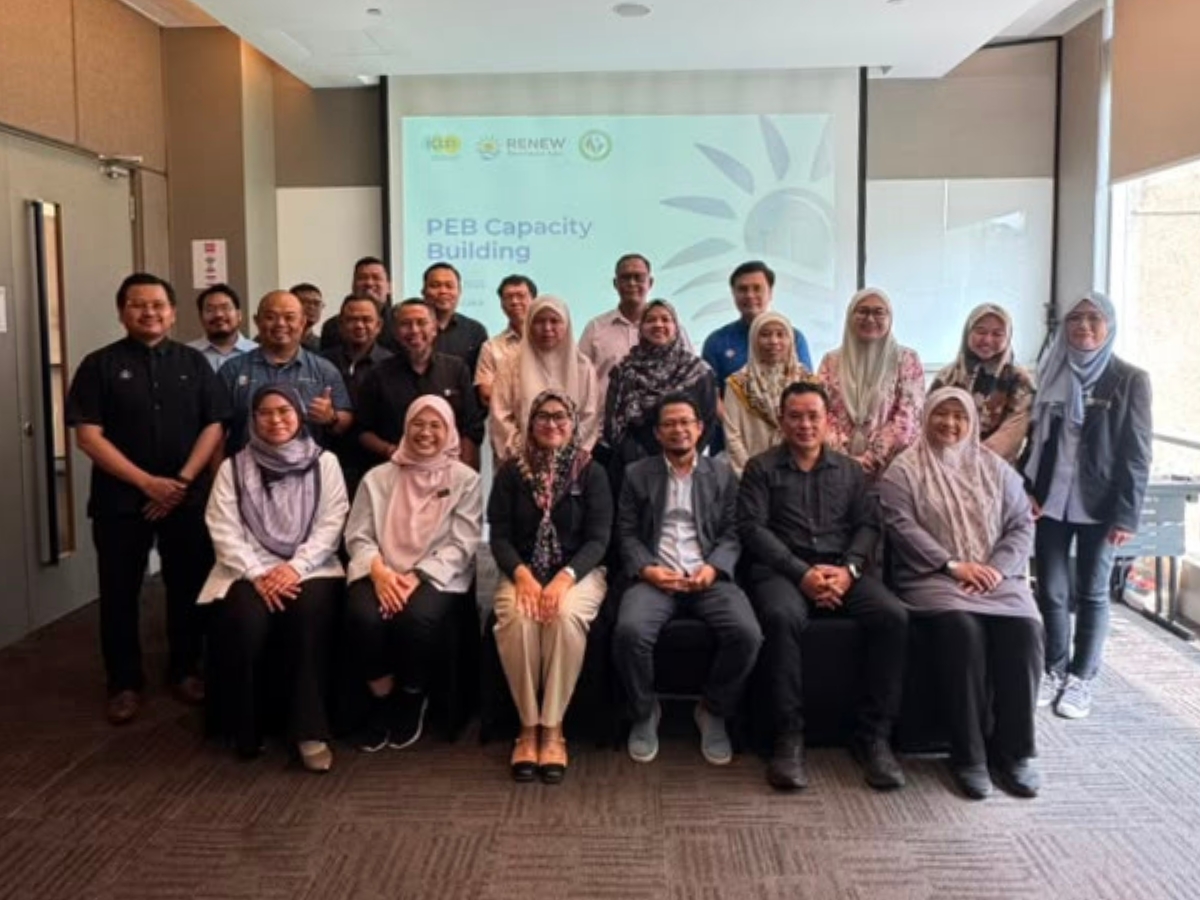
Organized by ICLEI Southeast Asia, the capacity-building session on PEBs brought together representatives from Melaka, Melaka Green Technology Corporation, Historic Melaka City Council, Hang Tuah Jaya Municipal Council, Alor Gajah Municipal Council, and Jasin Municipal Council.
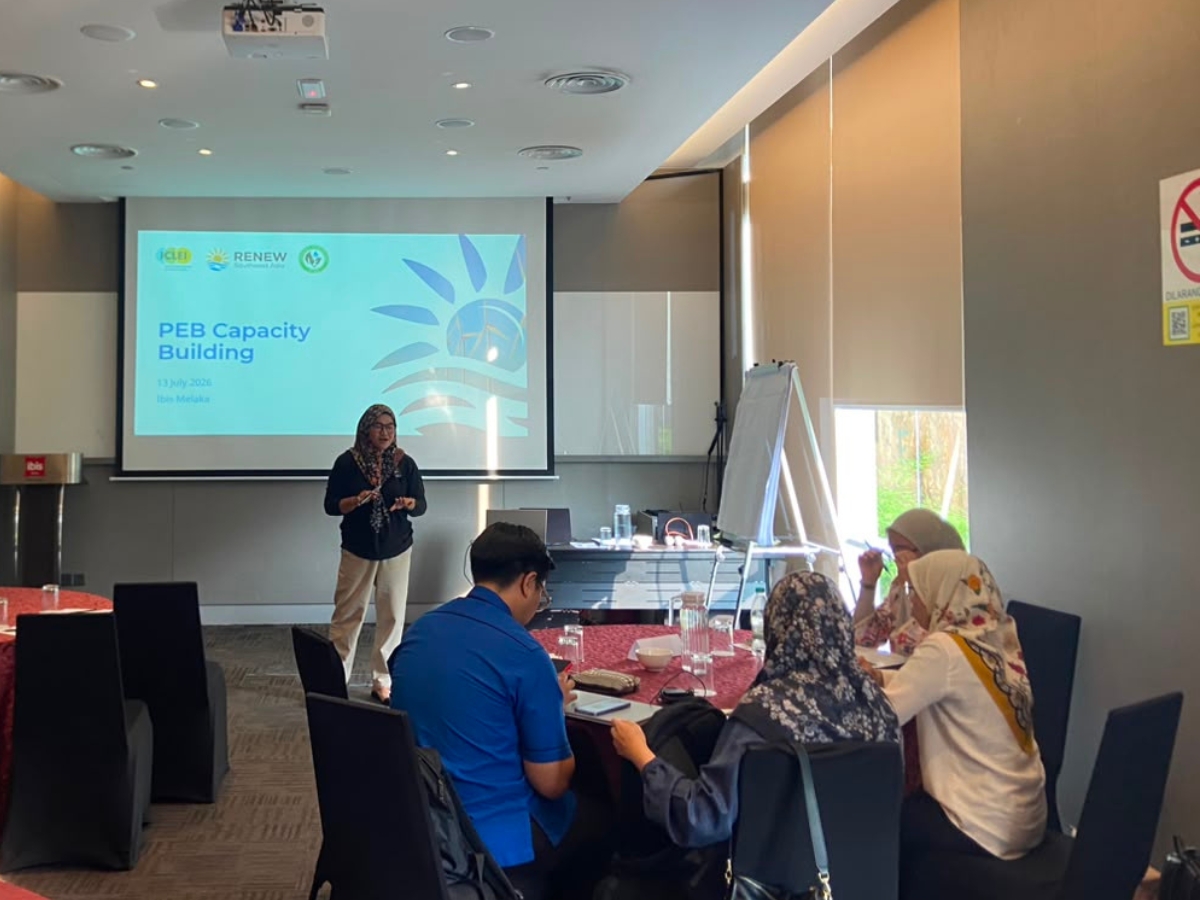 ICLEI Southeast Asia organized the capacity-building session on positive energy buildings to help local governments within Melaka State transition towards such low-carbon and renewable energy-powered public infrastructure.
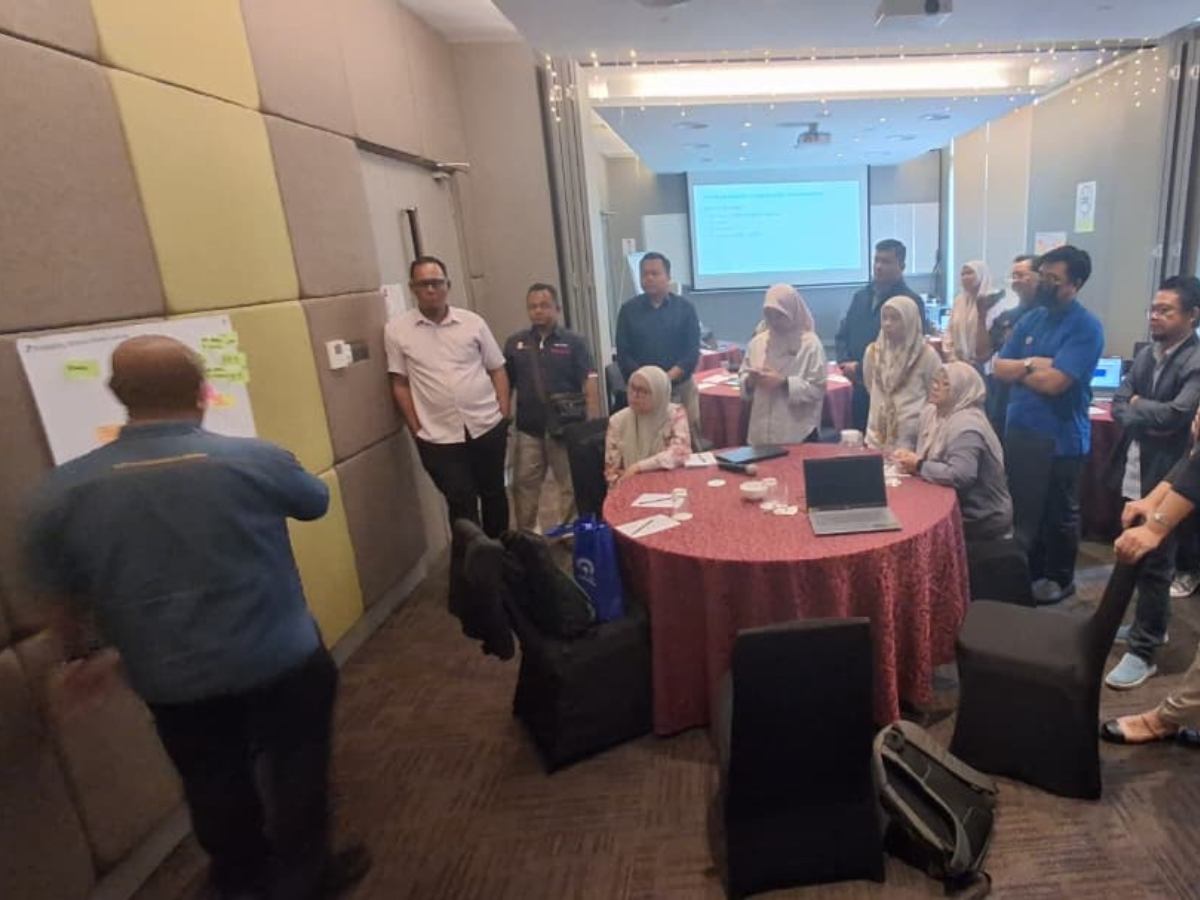
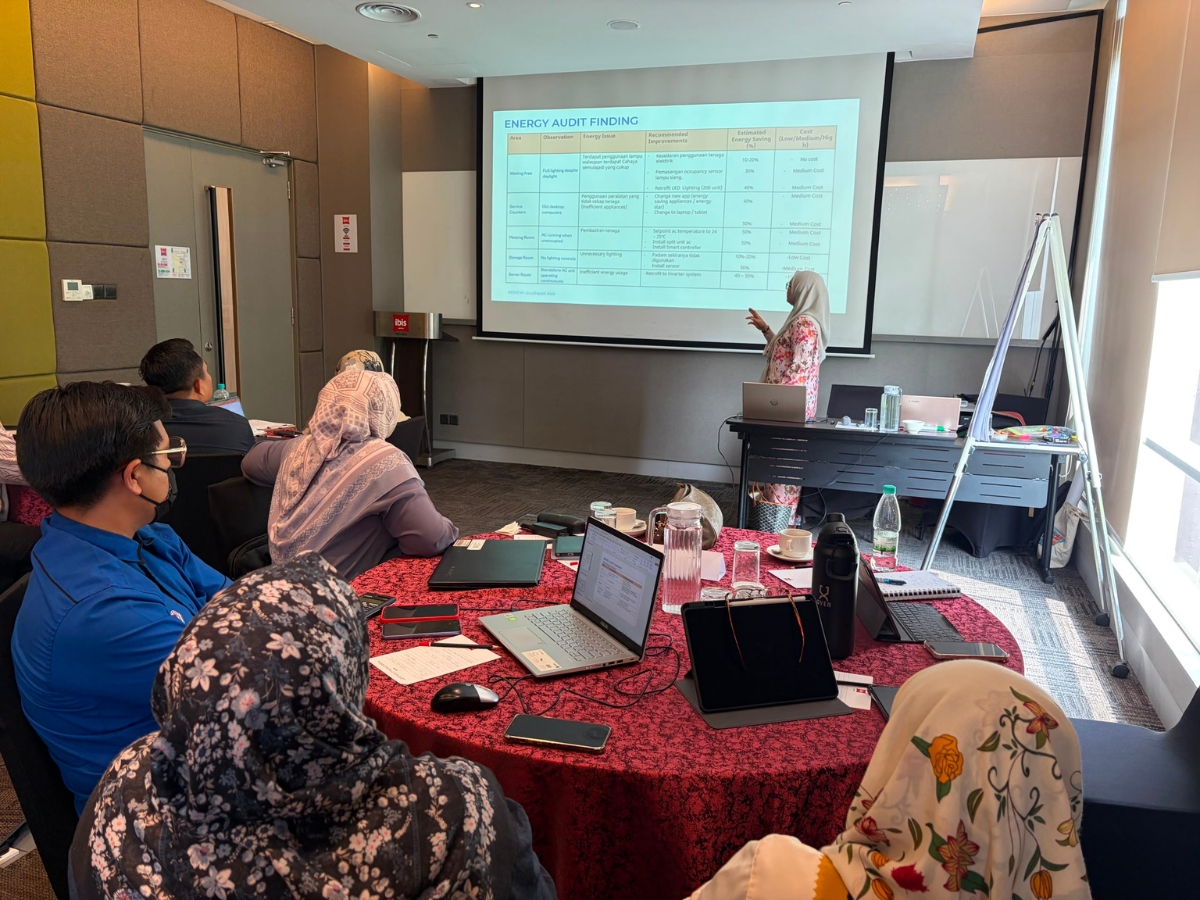
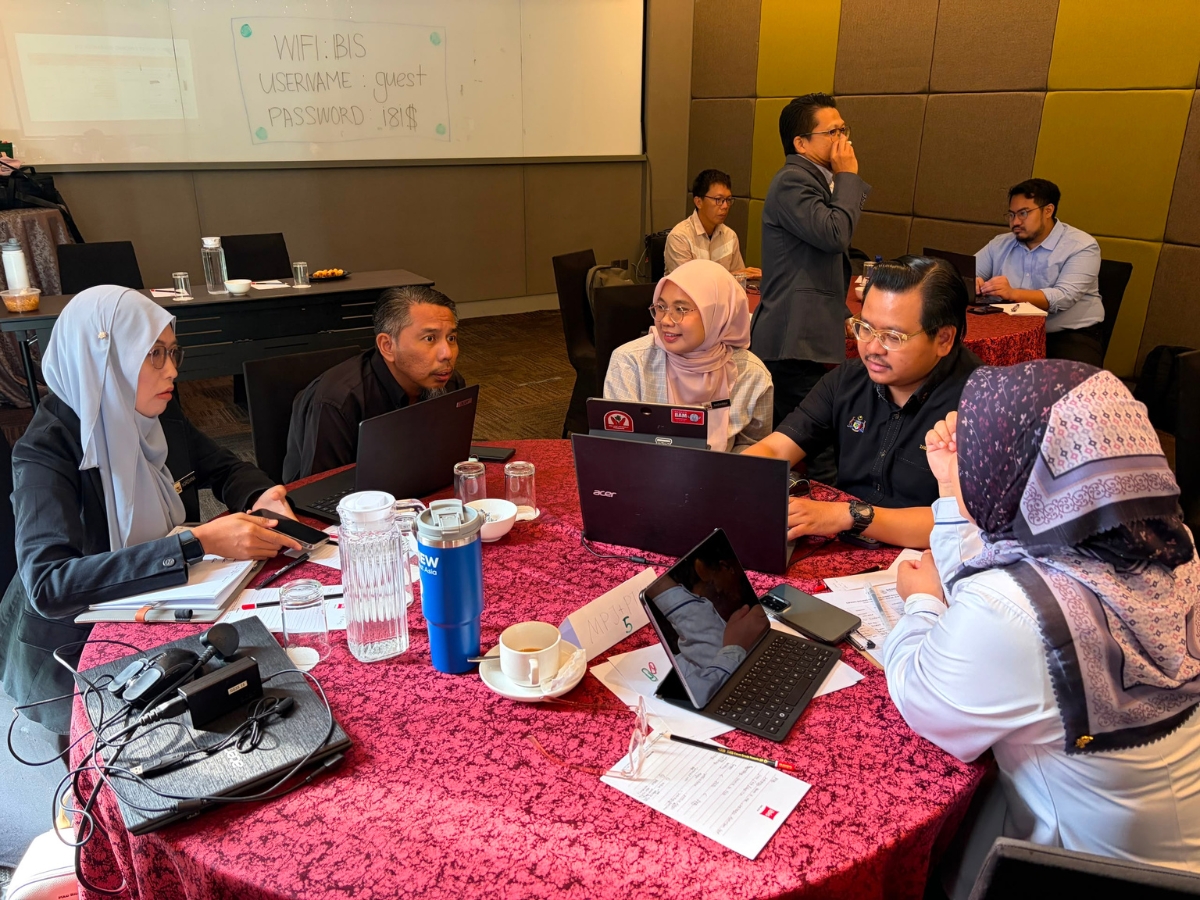
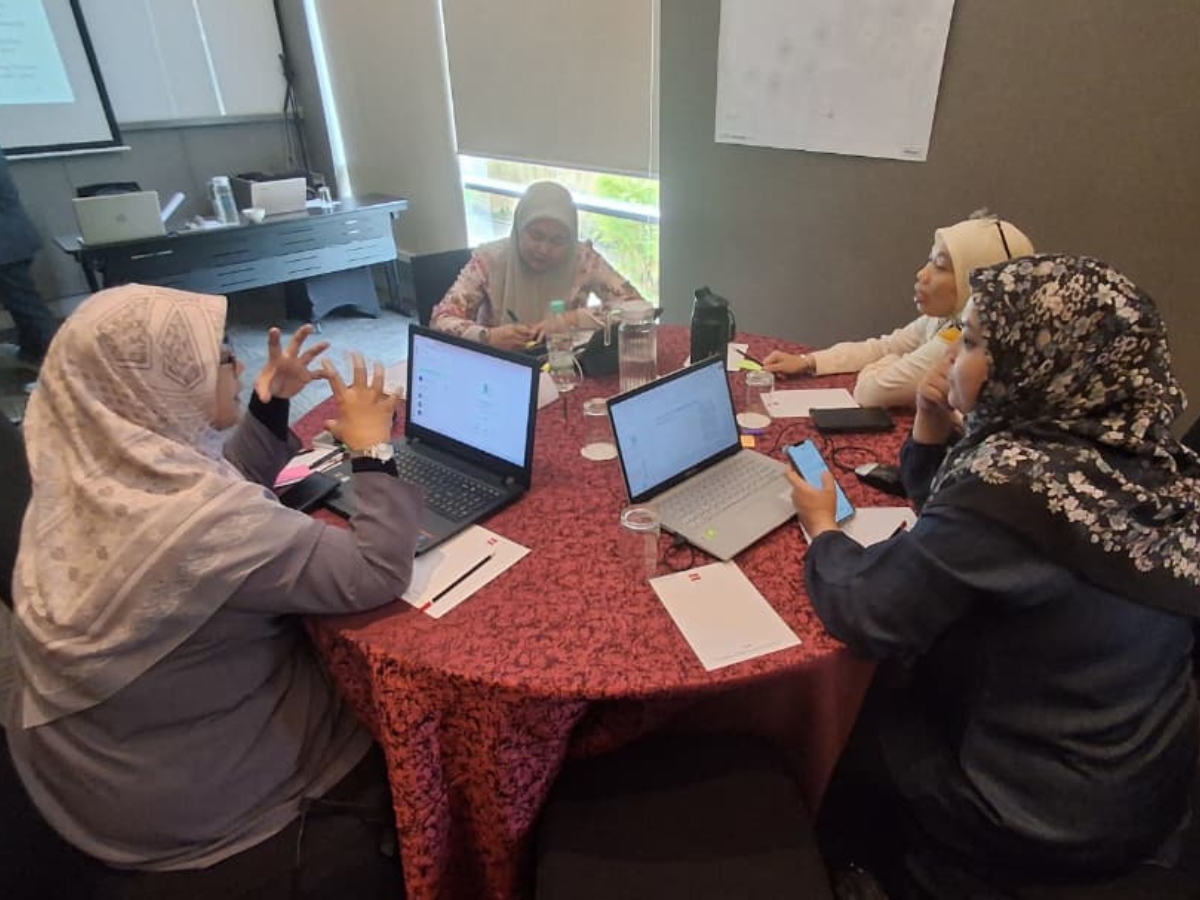
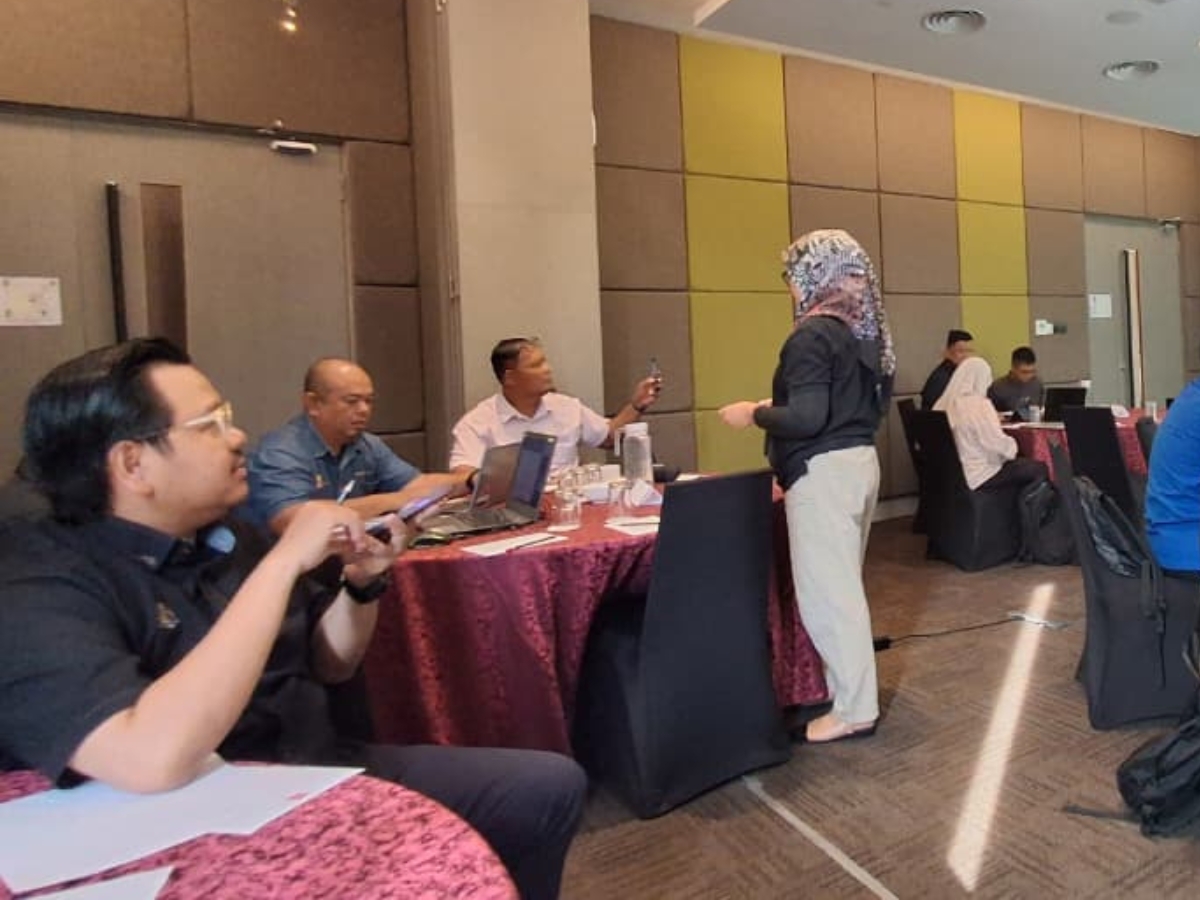
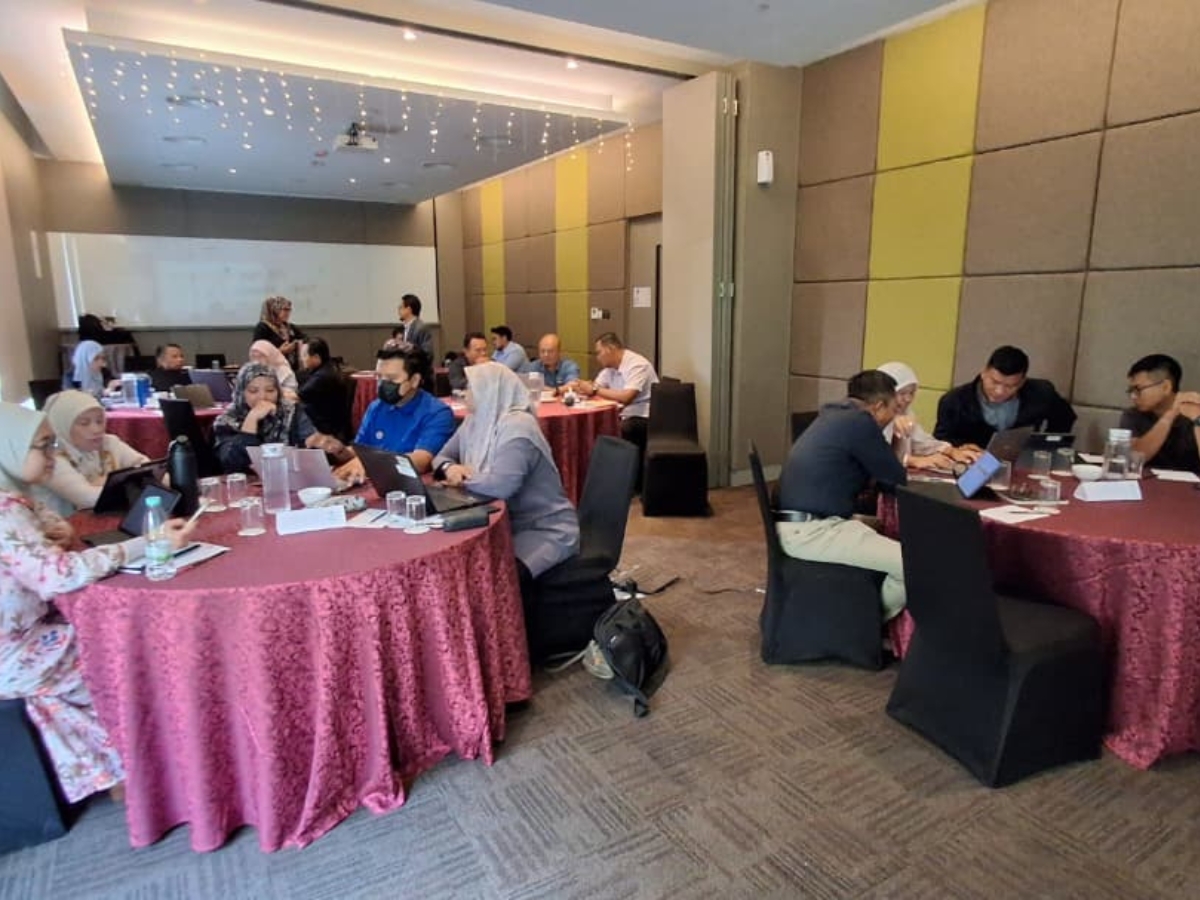
Conducted under the RENEW-Southeast Asia project and facilitated by Ts. Ghazali Talib of Climate Plus Private Limited, the training focused on equipping participants with practical knowledge and tools to plan and implement PEBs—buildings that produce more energy than they consume over the course of a year while maintaining high energy efficiency, flexibility, and self-consumption.
Specifically, participants learned about the key building blocks of PEBs, including efficient building envelopes, energy-efficient appliances, building energy management systems, electrification, on-site renewable energy generation, energy storage, and smart grid interaction.
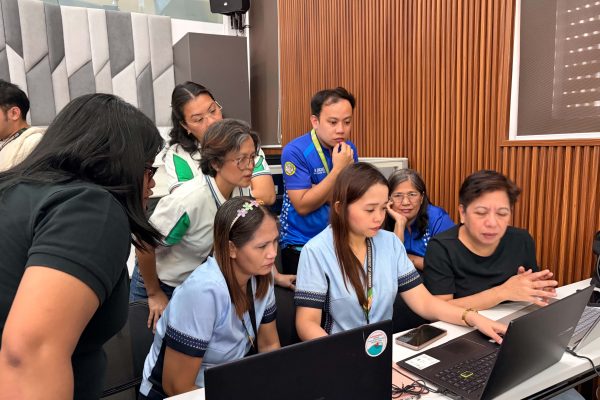
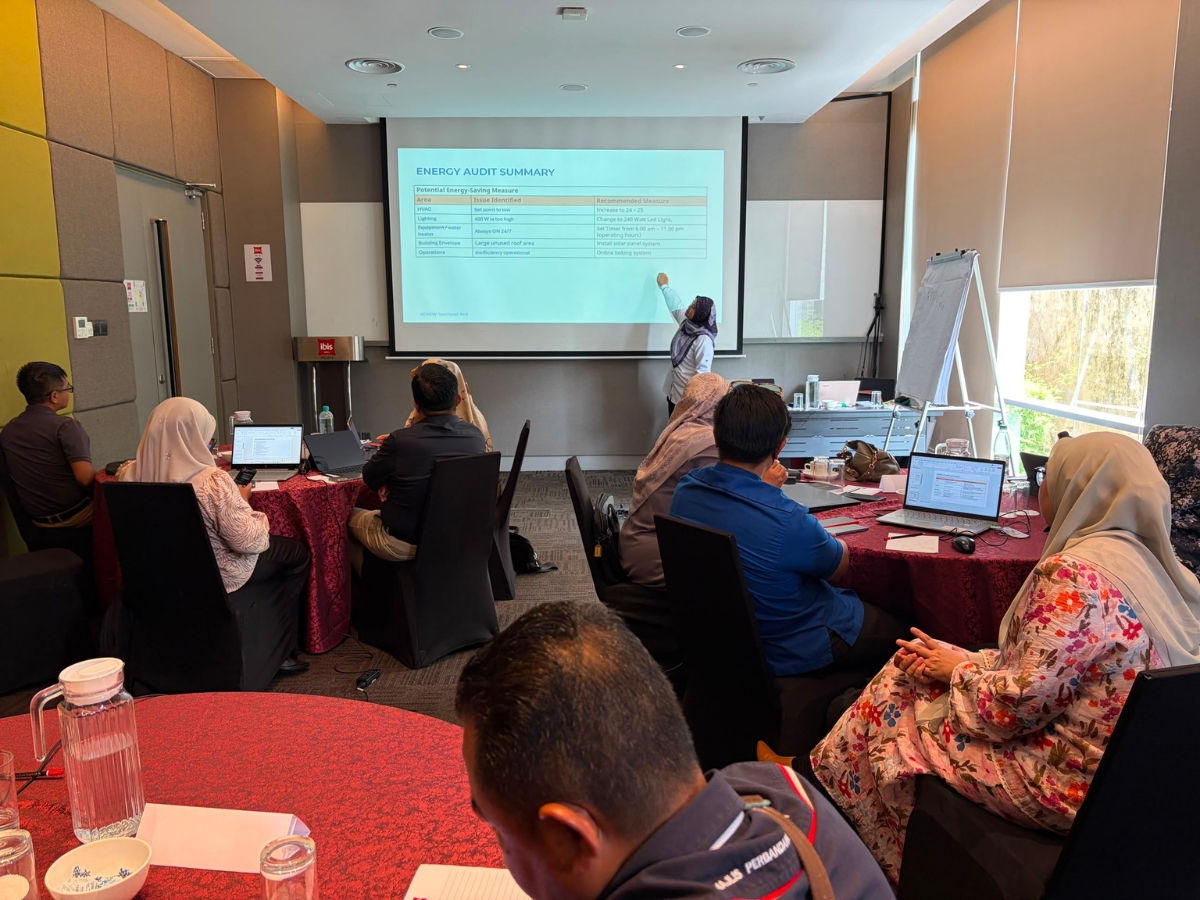
Moving beyond theory, the session adopted an interactive, workshop-based approach through a series of hands-on group activities. Local government representatives conducted simulated building energy audits, identified major sources of energy consumption, proposed energy-efficiency measures, and estimated potential energy savings for municipal facilities, including administrative offices, service centres, libraries, community halls, and sports complexes. The exercise also required each group to assess low-, medium-, and high-cost interventions to improve building performance.
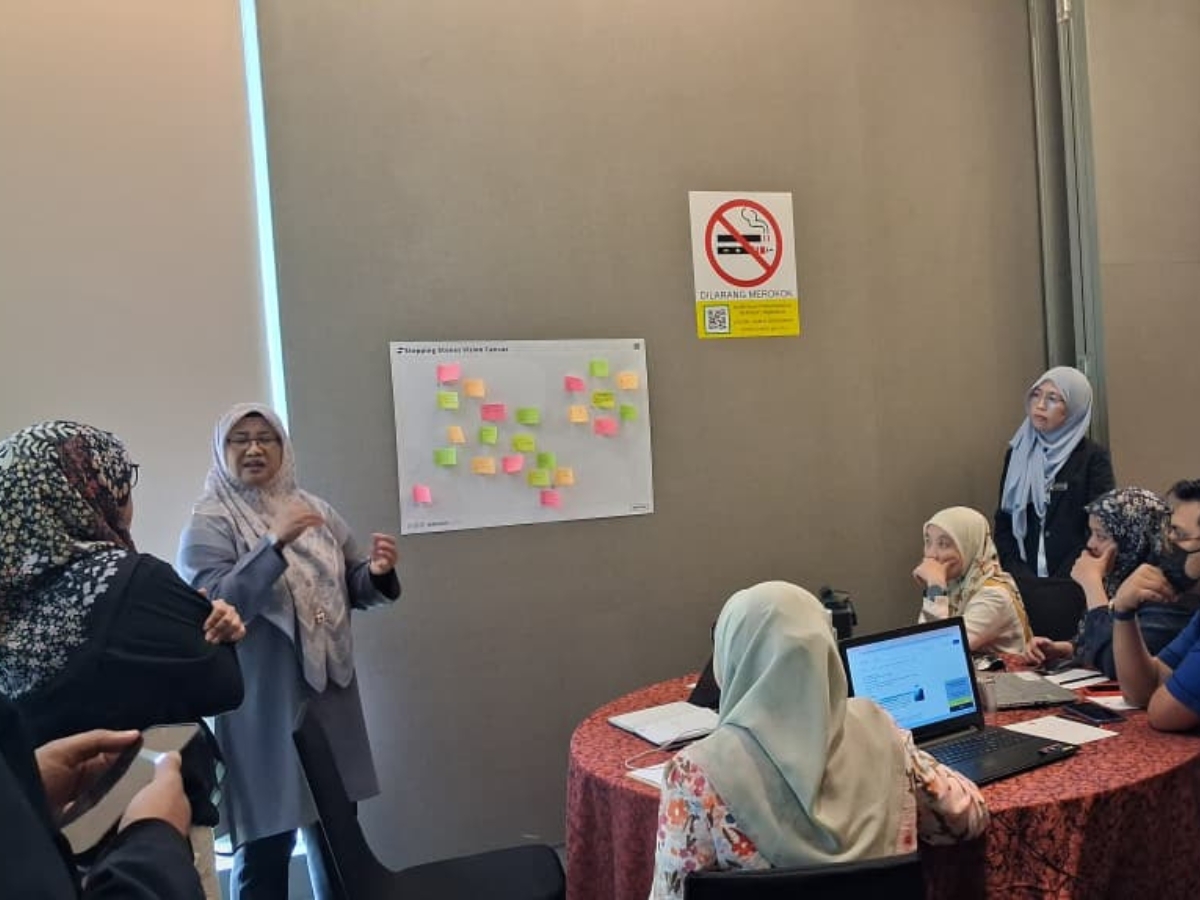
Using the “Stepping Stone Vision” exercise, each group developed a draft municipal action plan outlining priority actions, implementation timelines, and responsible departments needed to advance Positive Energy Buildings within their respective local governments. To inform these plans, participants first developed a long-term vision for transforming municipal buildings into Positive Energy Buildings before assessing their current position, identifying barriers and enabling factors, and defining practical milestones towards achieving their sustainability goals.
During the plenary session, groups presented their proposed action plans, exchanged ideas with peers, and received feedback to help refine strategies suited to their respective local contexts.
The draft municipal action plans developed during the workshop provide participating local governments with a practical starting point for identifying priority buildings, coordinating across departments, and advancing Positive Energy Buildings under the RENEW-Southeast Asia project.
This training follows an online capacity-building session on sustainable public buildings and an online peer exchange session on advancing energy efficiency and low-carbon building practices, both also held under the RENEW-SEA project.
This article was written by Norazean Mohd Nor, ICLEI Southeast Asia Senior Project Officer.