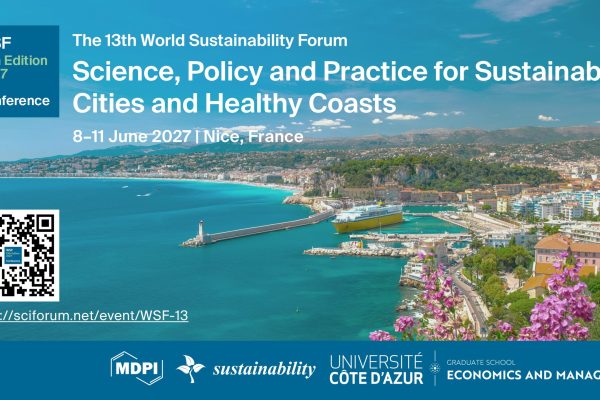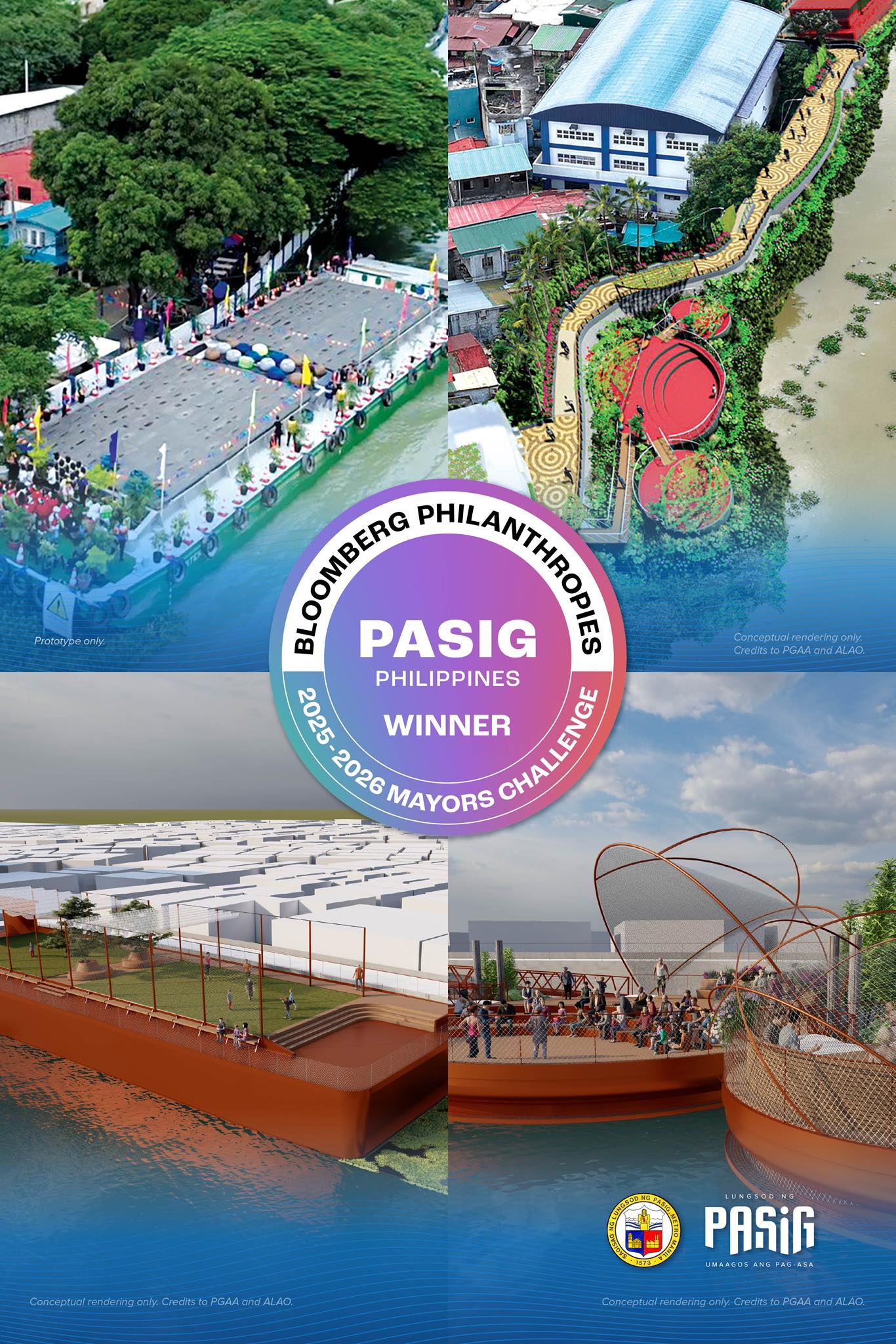
Photos of the Pasig City’s floating parks project prototype (top left) and conceptual renderings from design studios ALAO and PGAA. (Photo from the Pasig City website)
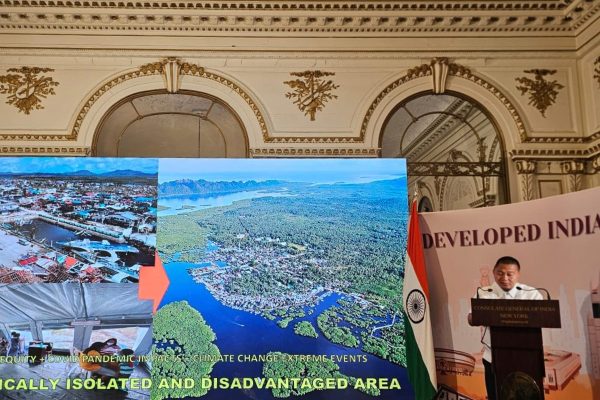
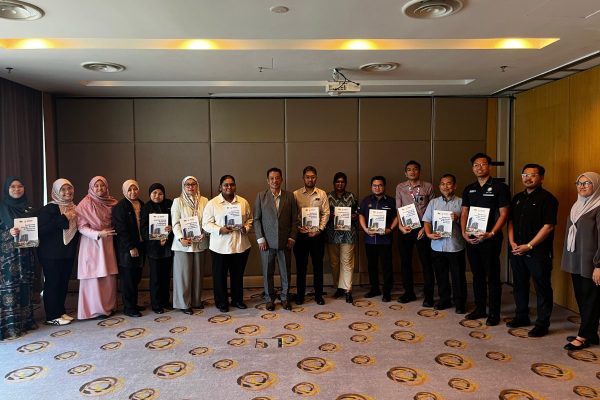
The City Government of Pasig, Philippines won the 2025-2026 Bloomberg Philanthropies Mayors Challenge for its proposal to co-design with residents floating parks in flood-prone waterways to reduce overflow, add green spaces, and strengthen community ties.
The Bloomberg Philanthropies Mayors Challenge is a global competition to encourage local government innovation that improves lives in cities and supports them through funding and technical assistance.
For its sixth round in 2025-2026, the Challenge awarded 24 winners out of 630 applications from cities and towns that have proposed and tested project ideas to improve essential services at scale, such as cooling homes, reducing waste, lowering utility costs, expanding transit, increasing jobs, and more. The winning ideas were chosen for their novelty, potential impact, and strength of implementation plans. The Challenge officially announced the winners in February 2026.
In September 2025, Pasig City held a prototyping or demonstration day for its floating parks concept as one of the competition’s finalists. Using a barge on the Pasig River, the local government set up its project design, in which the floating public space can house a playground, pocket park, garden, and multipurpose community areas, among others.
The Pasig City local government unit (LGU) attributed the success of the project’s prototype to the series of community consultations they held with barangay (village) officials and residents to co-design the project, and the city’s partners from national government offices, civil society organizations, and the private sector.
Through the floating parks, Pasig City aims to have more green, open spaces that can cater to different sectors in the community, especially the youth and elderly. With the project’s place-making and participatory approach, it also aims to revitalize the residents’ connection to the Pasig River, which holds historical and cultural significance to the city.
Aside from the US$1 million grant, Pasig City will also receive technical and operational support from experts and additional financial support to further conduct community co-designing of its project.
For the project design, Pasig City also worked with design studios ALAO and PGAA Creative Design.
In ALAO’s Facebook post, Pasig City Mayor Vico Sotto expressed that the city plans to have residents actively participate in designing, building, and managing or operating the parks, and not just be mere visitors.
The City Government of Pasig is a member of ICLEI and has been involved in several ICLEI Southeast Asia projects, including the Ambitious City Promises project, and most recently the Sparking Active Mobility Actions for Climate-friendly Cities (SPARK) Project, which concluded in 2025.