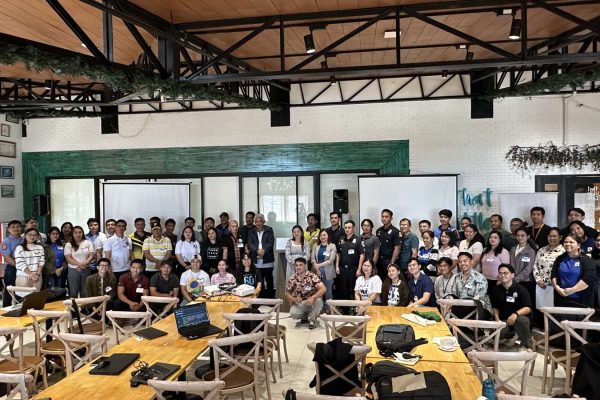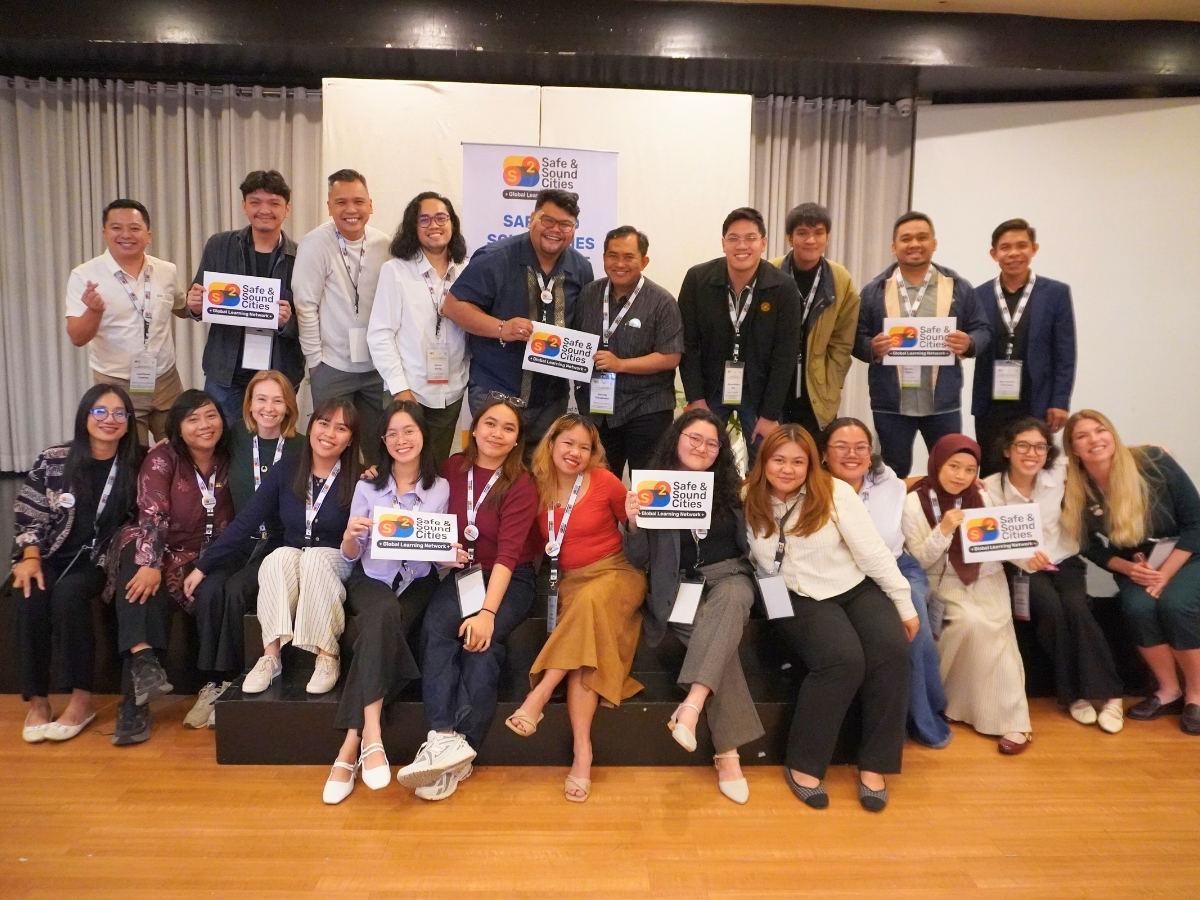
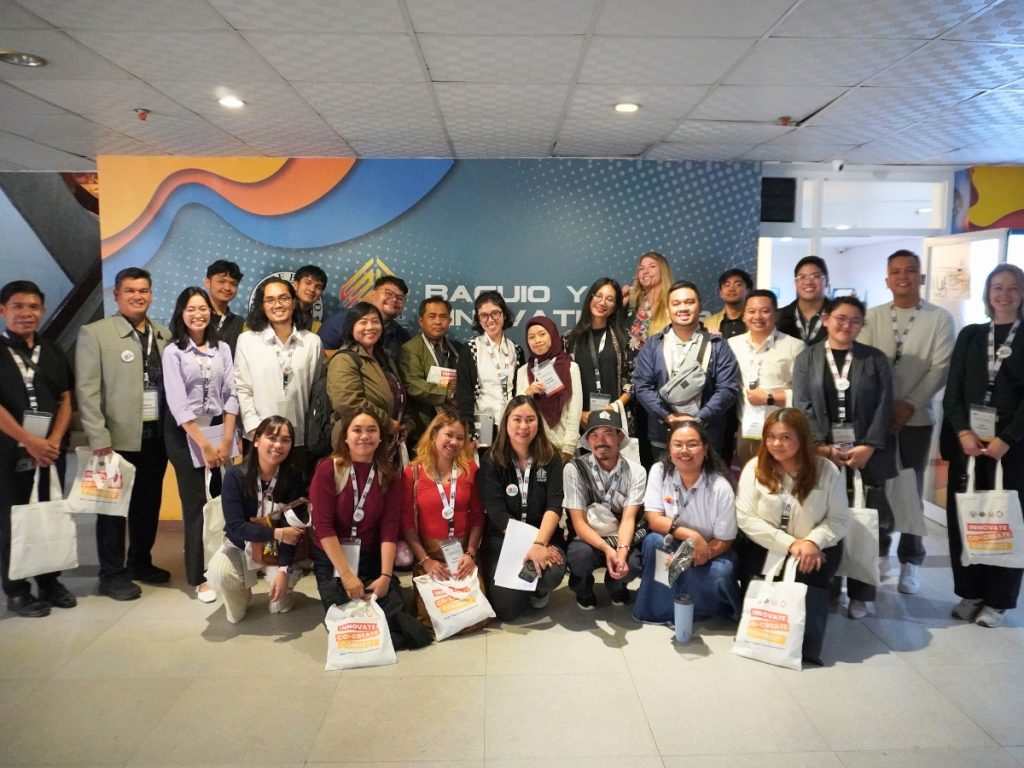
(in photo above) Representatives from the Philippines and Indonesia during the Safe and Sound Cities Global Learning Network Roundtable in Baguio City, Philippines last 22-23 January 2026.
Twenty-seven youth, local government, civil society, nonprofit, and private sector representatives from the Philippines and Indonesia—part of the Safe and Sound Cities (S²Cities) Global Learning Network (GLN)—convened in Baguio City, Philippines on 22–23 January 2026 for the GLN’s first Regional Roundtable.
Led by the Global Infrastructure Basel Foundation (GIB) in partnership with ICLEI – Local Governments for Sustainability – Southeast Asia (ICLEI SEA), and hosted by the Cordilleran Youth Center (CYC) and the Baguio City Government, the GLN Roundtable showcased the critical learnings of the S²Cities programme throughout its implementation thus far; shared case studies, experiences, and best practices on youth-led and youth-oriented approaches to urban safety; and gathered insights on how the GLN can maximize its potential for peer-to-peer learning and exchange.
The participants also visited various S²Cities infrastructure outcomes in Baguio City, including the SIGLAT Youth Innovation Hub, Happy Paws Pet Park, and the renewed Baguio Indigenous Peoples Center.
Programme cities represented at the roundtable included Baguio and Naga in the Philippines and Bandung in Indonesia, alongside six network cities — three each from the two Southeast Asian nations. These network cities included Amulung, Cagayan de Oro, and Del Carmen from the Philippines; and Palembang, Serang, and Yogyakarta from Indonesia.
Highlighting the youth’s key role in urban safety
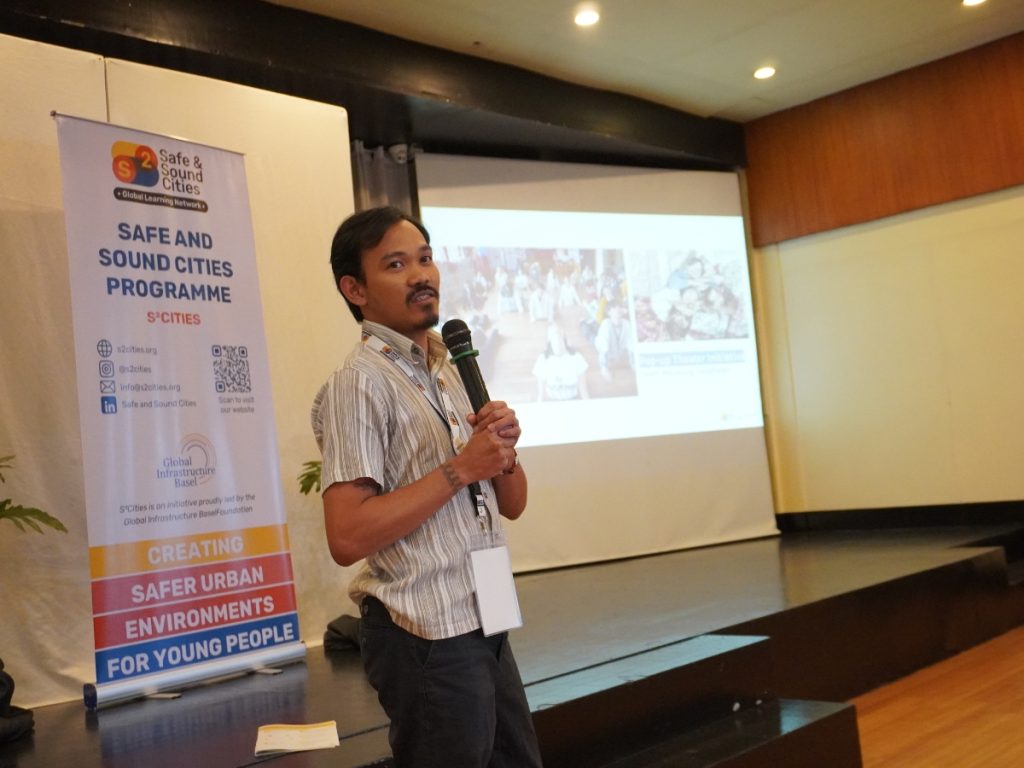
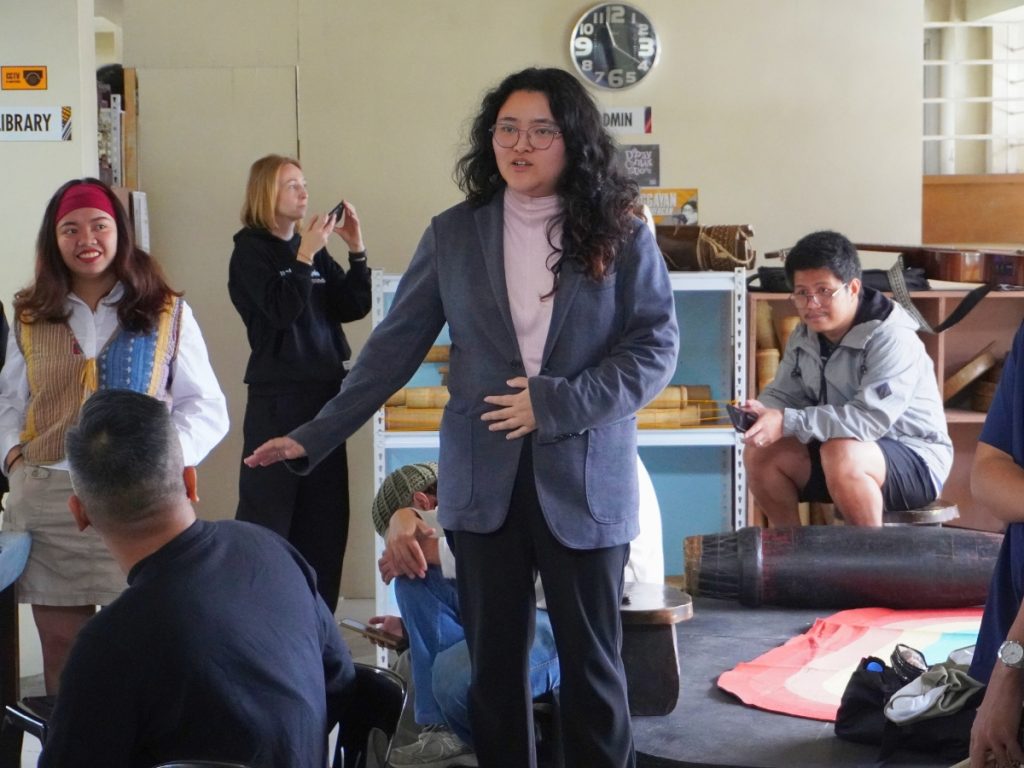
Christian Dave Ruz, Executive Director of the Cordilleran Youth Center, discussing the outcomes of the S²Cities local implementation in Baguio City, Philippines.
In Baguio, local programme partner CYC highlighted the transformation of an unused storage space into the SIGLAT Baguio Youth Innovation Hub, now co-managed with the local government and recognized internationally with a Prosperity Award for contributions to the United Nations Sustainable Development Goals. This is complemented by the Mobile Youth Hub, an innovation incubator on wheels. These, along with local implementation activities which included workshops, mentoring sessions, and innovation competitions, supported the development of several youth-led initiatives in the city.
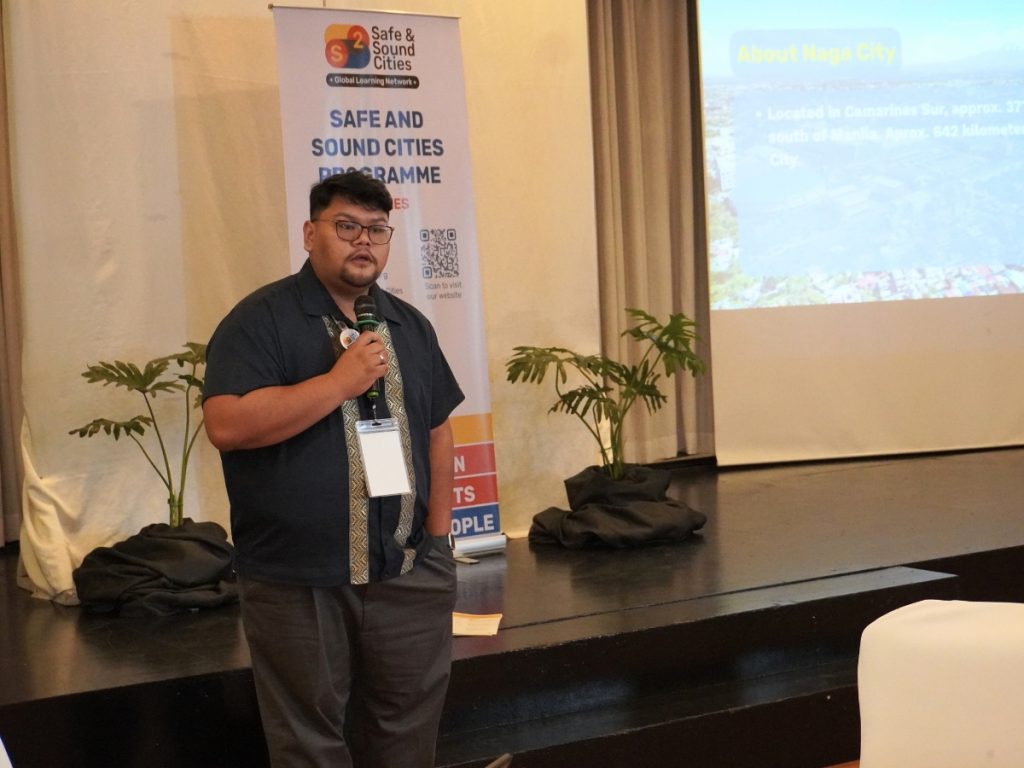
Jadi Castroverde, Program Manager of WeSolve Foundation, discussing the outcomes of the S²Cities local implementation in Naga City, Philippines
In Naga, local programme partner WeSolve Foundation reported that over 1,000 young people have been engaged since Phase 1 in 2023, including 85 youth innovators and 27 non-governmental organizations. A key learning included the value of engaging not just youth leaders but even those who are not in leadership tracks. City Councilor Jefson Felix Romeo, who also serves as Sangguniang Kabataan (Youth Council) Federation President, also noted that Naga has institutionalized a Barangay (Village) Youth Development Ordinance allocating city funds for youth-led innovations beyond the S²Cities framework.
S²Cities Phase 1 youth innovators also offered their experiences developing and implementing safety- and well-being-related solutions in their respective cities.
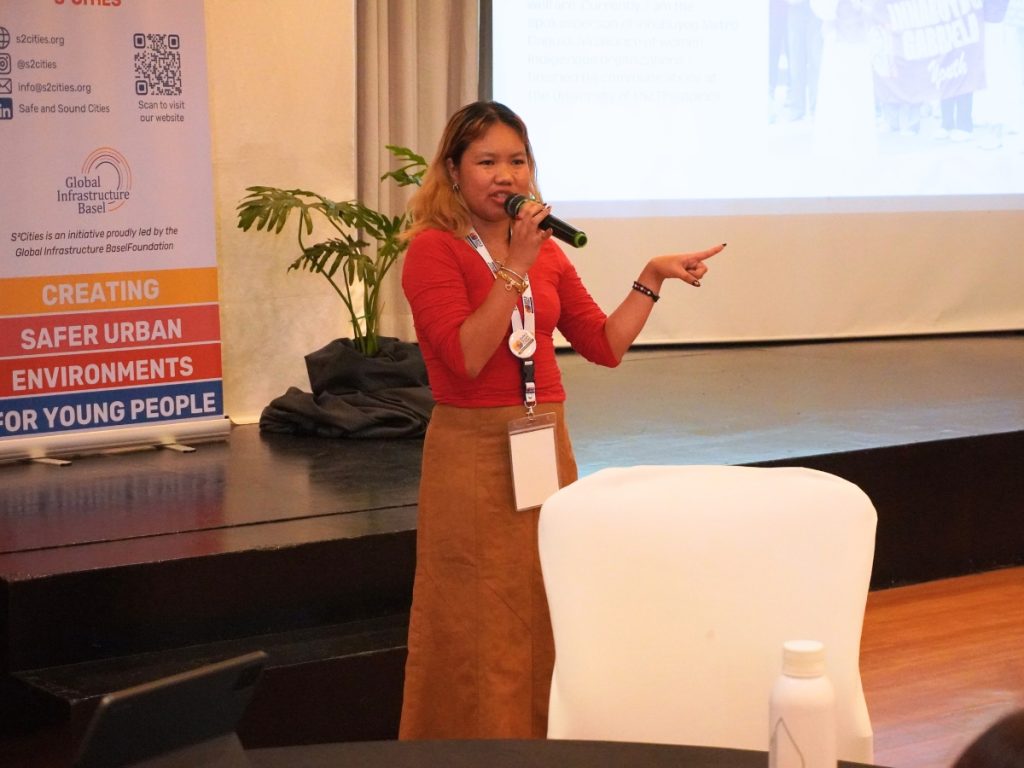
Raven Mensenas, an S²Cities Youth Innovation Fellow from Baguio City, Philippines, discussing their urban gardening project.
Raven Mensenas, presented Baeng, an urban gardening initiative rooted in indigenous knowledge systems addressing food insecurity in Baguio.
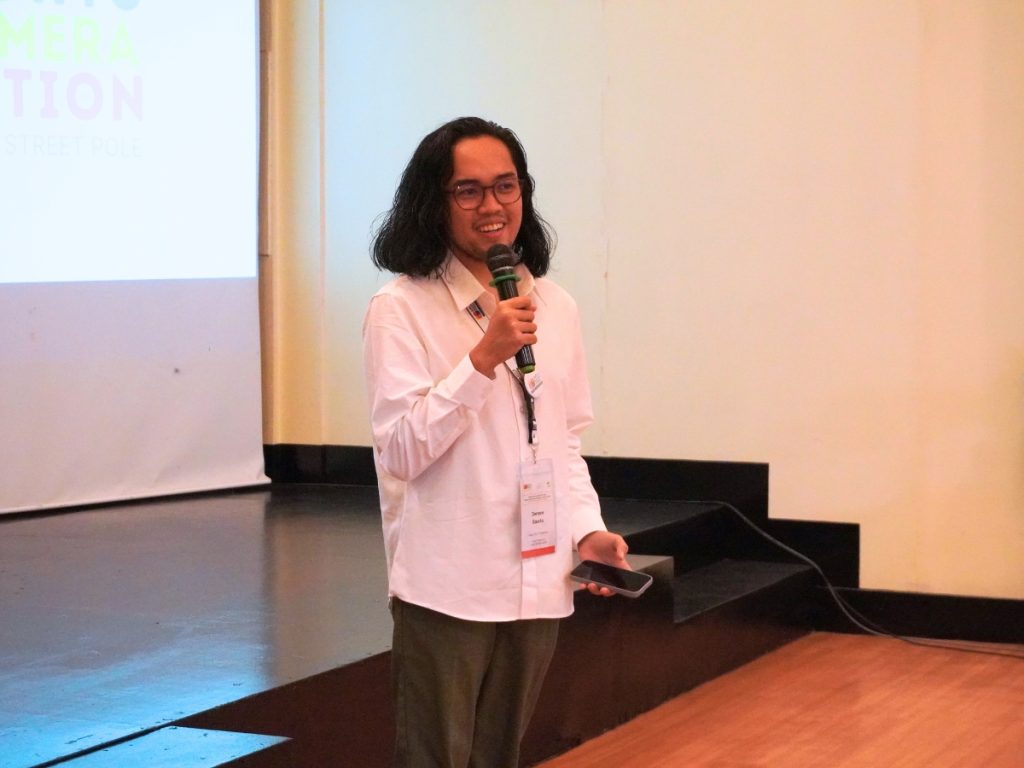
Jerson Emata, an S²Cities Youth Innovation Fellow from Naga City, Philippines, discussing their smart street pole design.
Jerson Emata from Naga City described the Lights, Camera, Action project—a solar-powered smart street pole with surveillance cameras, emergency buttons, and modular attachments.
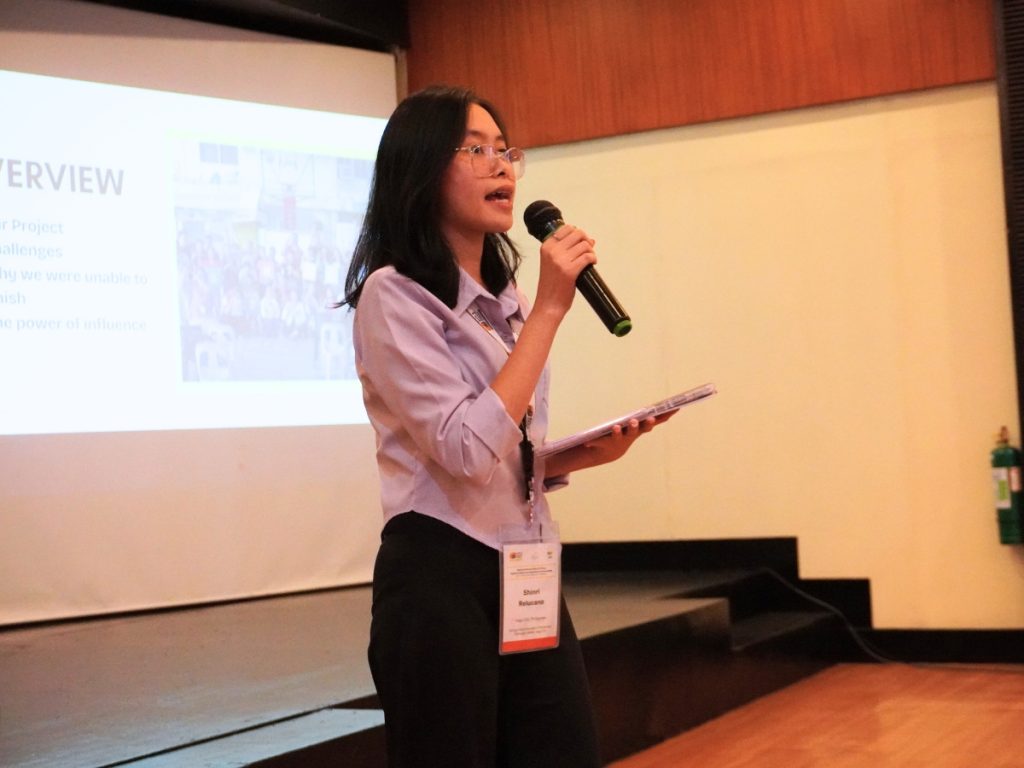
Shinri Relucano, an S²Cities Youth Innovation Fellow from Naga City, Philippines, discussing how her experiences from the programme helps her in her current role as a public official.
Shinri Relucano, now a youth council chairperson in her village, spoke candidly in recounting how her team’s withdrawal from the Naga S²Cities Phase 1 innovation cycle became the foundation for a village-level innovation competition she later launched as an elected youth official.
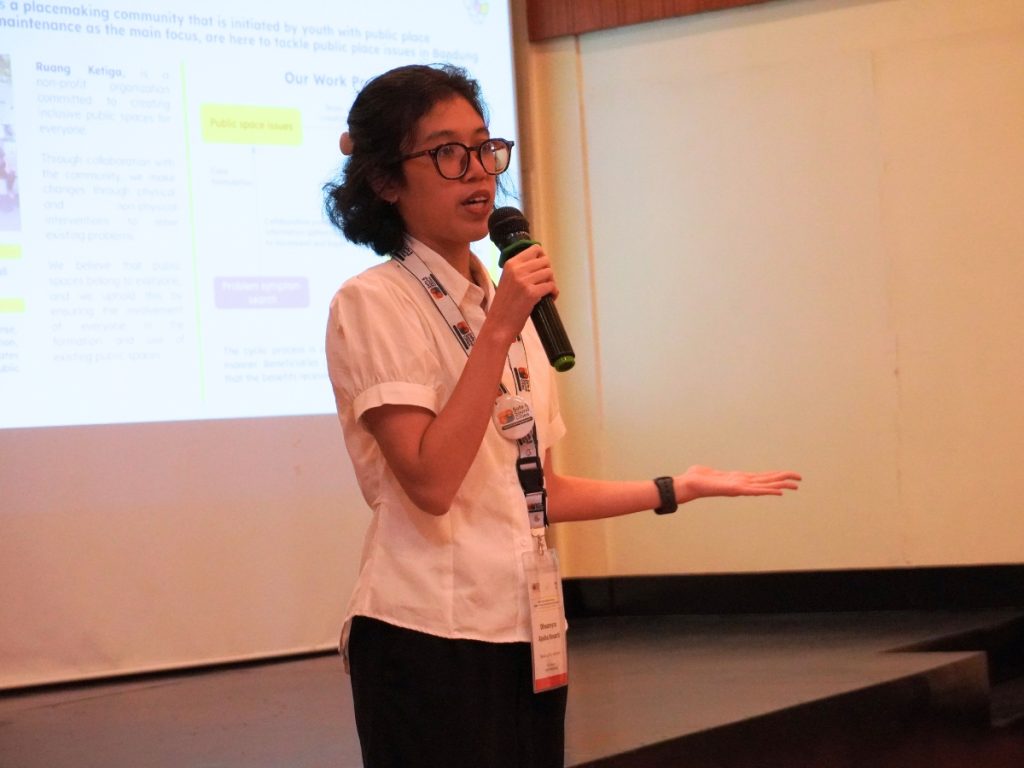
Dheamyra Aysha Ihsanti, an S²Cities Youth Innovation Fellow from Bandung City, Indonesia, discussing her experience in starting a non-profit.
From Bandung, Dheamyra Aysha Ihsanti described how Kami Ruang Ketiga—which translates to “We Are the Third Space”—grew from a four-person student project under S²Cities into a registered Indonesian non-profit with over 80 volunteers, having transformed multiple pocket parks across the city.
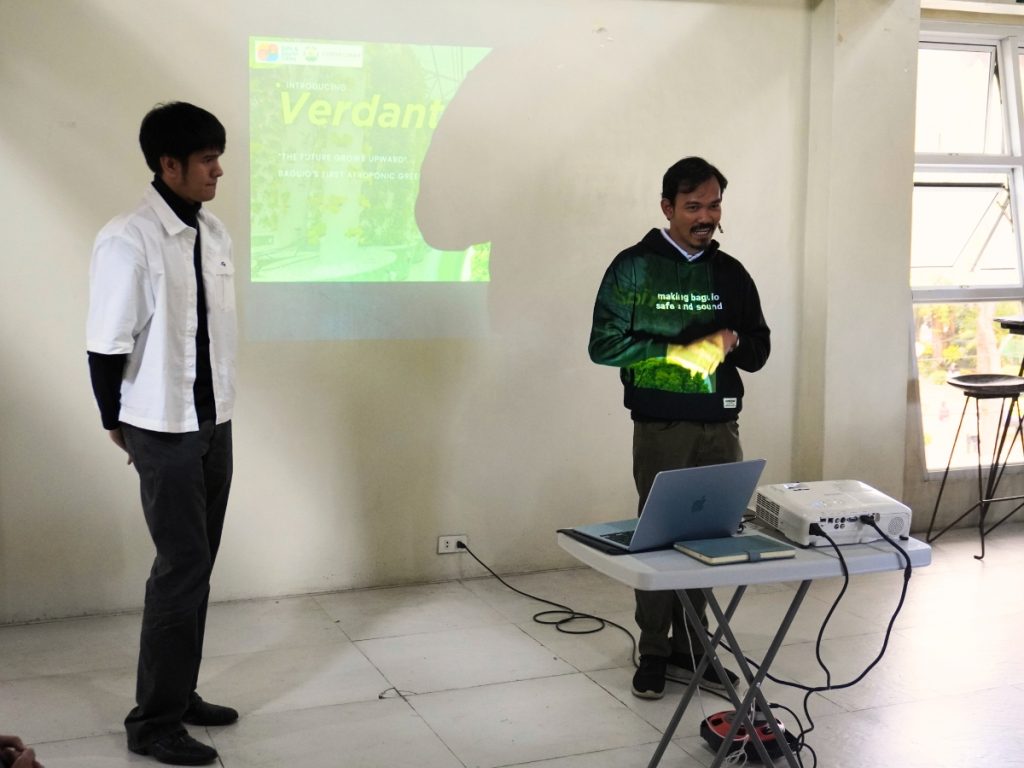
Russel Allen Treptor (left), an S²Cities Youth Innovation Fellow from Baguio City, Philippines, discussing their community greenhouse project.
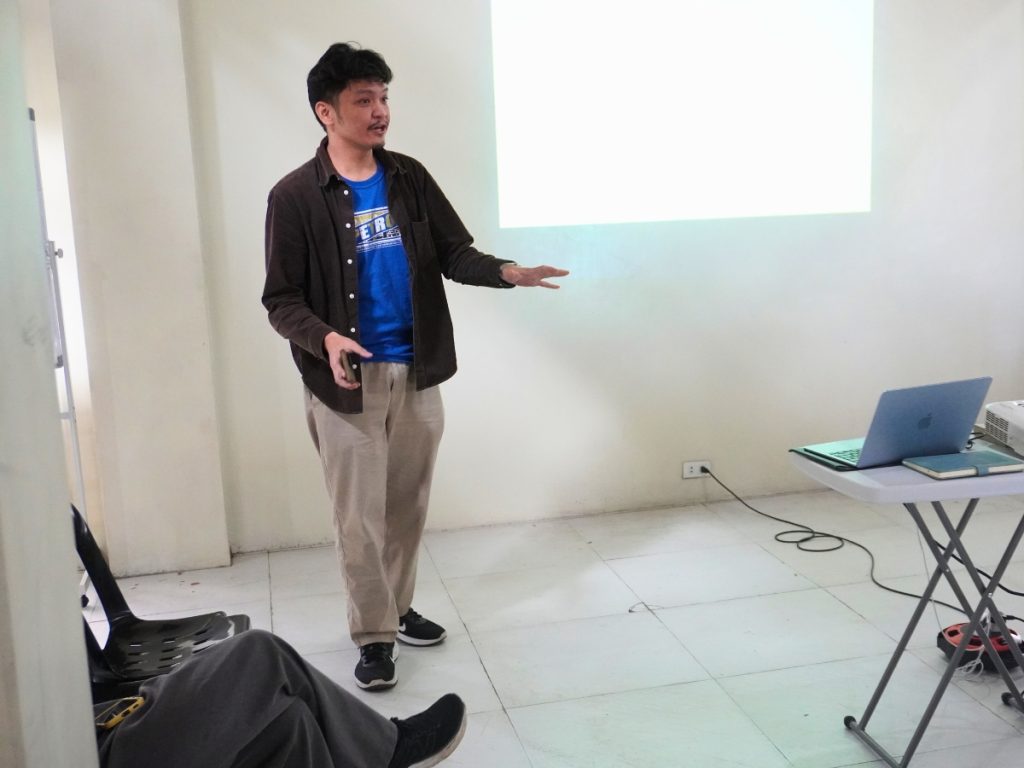
Jushual Johann Cariño, an S²Cities Youth Innovation Fellow from Baguio City, Philippines, discussing their community park redesign project.
Two S²Cities Phase 2 innovation teams from Baguio also presented ongoing projects. Team Verdant Spires is developing a community greenhouse using aeroponic vertical farming. Team SalinTanglaw, meanwhile, presented Play it Forward—a redesign of a community park that had long been plagued by decayed equipment and an unwelcoming atmosphere.
Touring S²Cities infrastructure projects in Baguio
Site visits on both days allowed participants to directly experience the programme’s physical outputs from Phase 1, including the SIGLAT Hub, the Happy Paws Pet Park, and the renewed Baguio Indigenous Peoples Center.
The participants at the SIGLAT Baguio Youth Innovation Hub.
The first youth innovation hub of its kind in the country, the youth-designed and -developed SIGLAT provides the young people of Baguio and surrounding towns with a safe, conducive, and inclusive space to gather, collaborate, and develop solutions on urban safety and sustainability. In addition to meeting rooms and related facilities, SIGLAT is also equipped with tools such as 3D printers, laser cutters, CNC machines, and high-performance computers for more technical prototyping and product development applications.
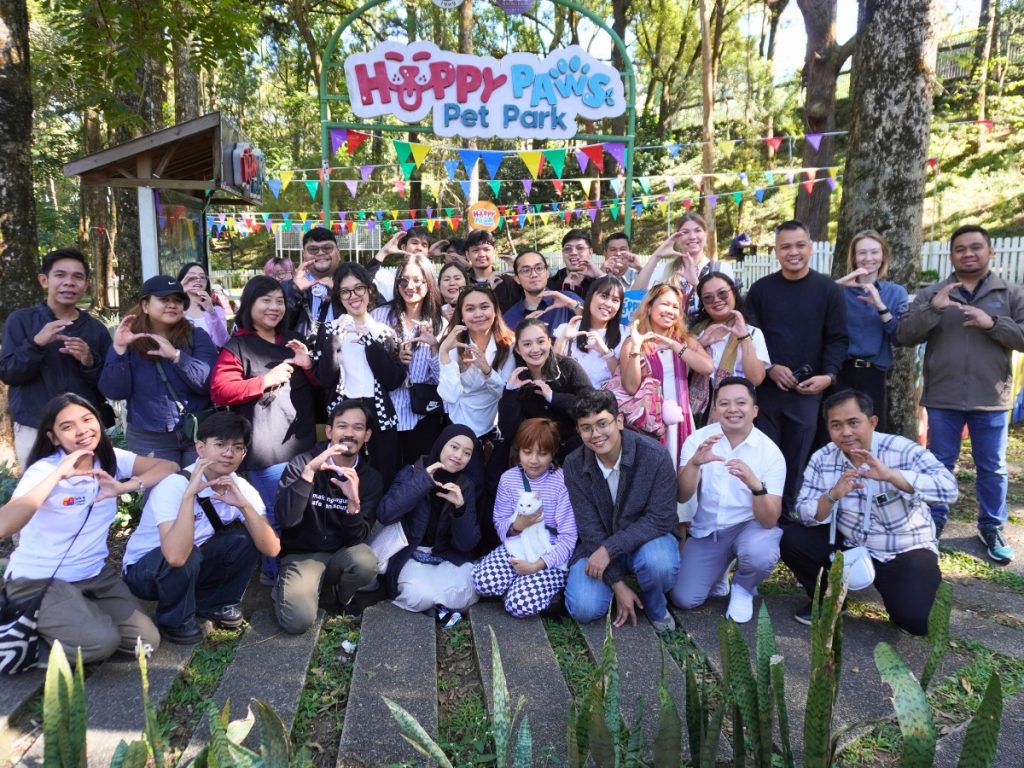
The participants at the Happy Paws Pet Park.
The likewise youth-built Happy Paws Pet Park is the city’s first pet park, providing a safe and dedicated space for pet owners and their animal companions, all while fostering human-human, human-nature, and human-animal relationships.
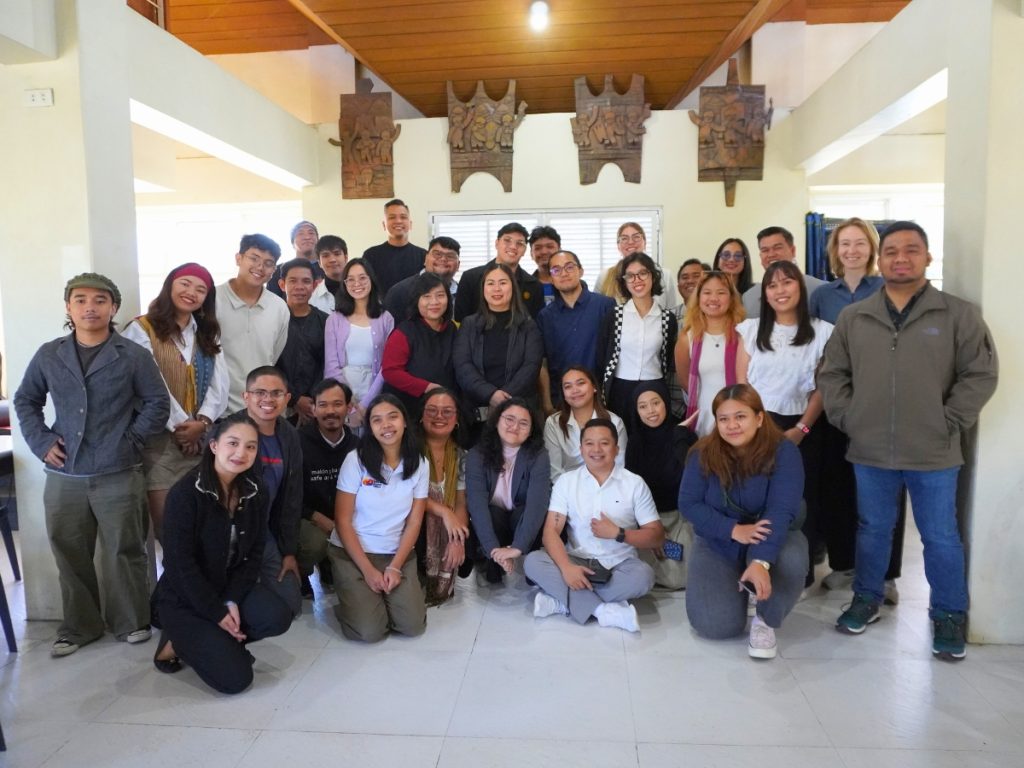
The participants at the renewed Baguio Indigenous Peoples Center.
Meanwhile, the renewed Baguio Indigenous Peoples Center hosts cultural events, music workshops, theatre nights, and community gatherings, and was featured in the Dayaw documentary series of the Philippine National Commission for Culture and the Arts.
S²Cities is a global programme which aims to improve young people’s safety and well-being in urban environments. Across eight cities in five countries, S²Cities has empowered over 10,500 youth to reshape urban safety through innovation, mentorship, and policy engagement. Moreover, it has resulted in the construction of nine youth hubs and the development and implementation of 28 youth-led initiatives tackling contextualized safety issues while integrating the principles of placemaking, relational wellbeing, human rights, climate resilience, and inclusive mobility, among others.
More information about the S²Cities programme is available through https://www.s2cities.org.