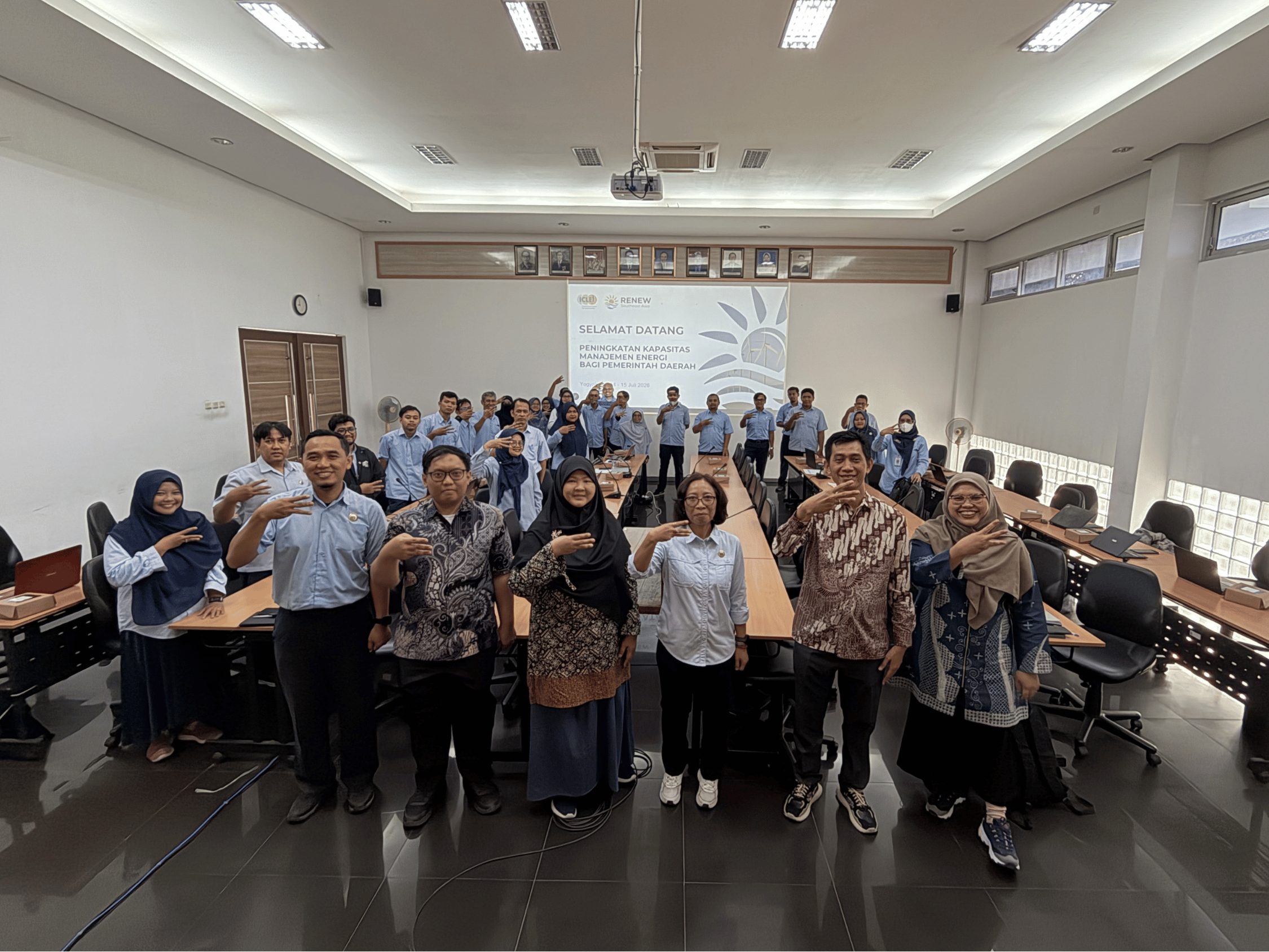
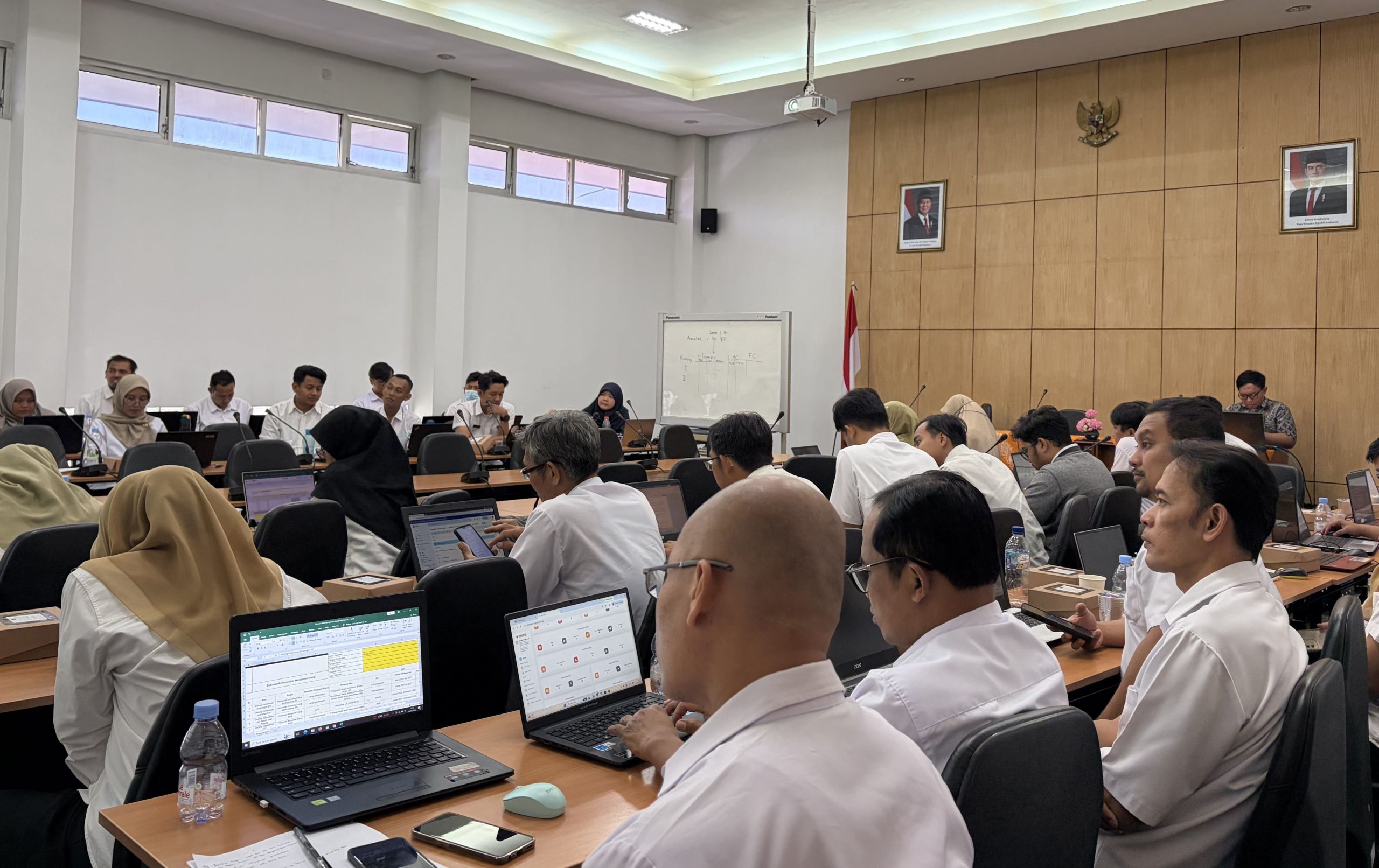
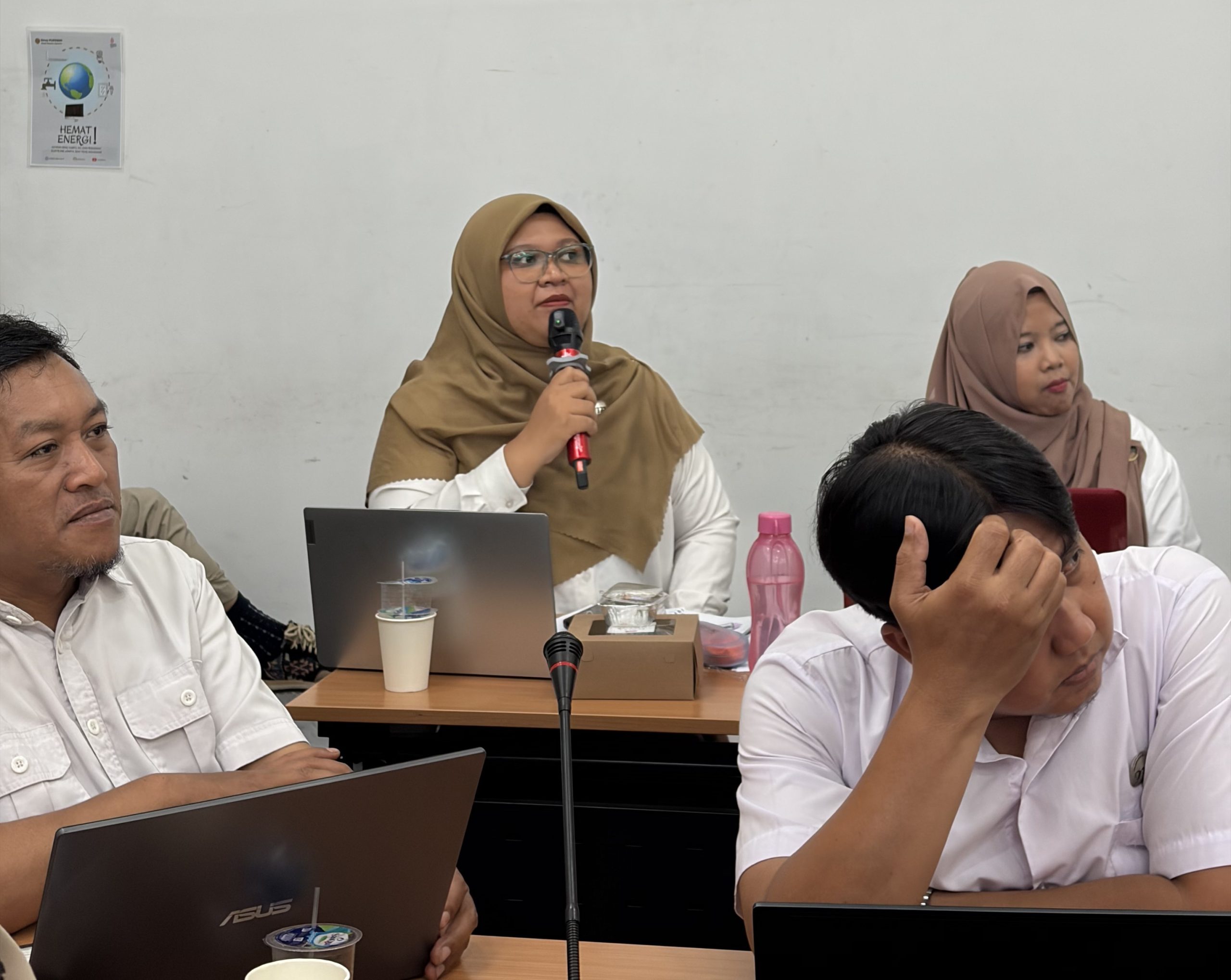
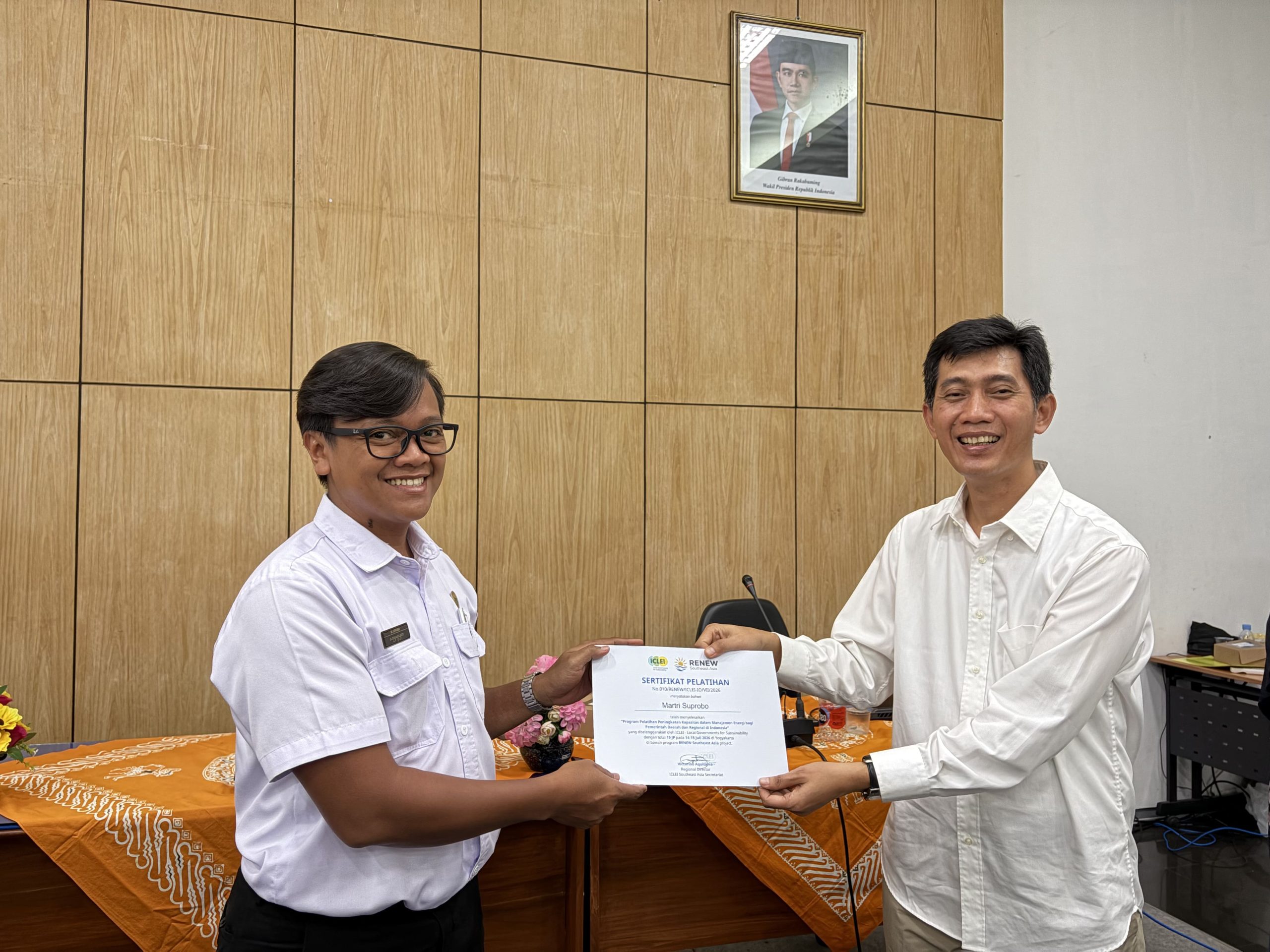
In-person participants during the RENEW-SEA capacity-building programme on energy management and monitoring on 14-15 July 2026 held at the Special Region of Yogyakarta, Indonesia.
How can local governments turn energy data into concrete actions for more sustainable public buildings? This question emerged as a recurring topic during the Training on Energy Management for Local and Regional Governments in Indonesia, held at the PUPESDM (Public Works, Housing, and Energy and Mineral Resources) Office, Special Region of Yogyakarta (DIY) on 14–15 July 2026.
Conducted under Phase II of the RENEW-SEA Project, the training engaged 56 institutions and recorded over 90 participants across each day. Through expert-led technical sessions, case studies, group discussions, and hands-on exercises using building energy data, participants connected energy-management principles with the operational needs of their respective local governments.
Representatives from across DIY attended in person, while officials from other parts of Indonesia participated online, including from Banda Aceh, Semarang, Balikpapan, Jambi, Bontang, Palembang, Probolinggo, Surabaya, Surakarta, Jakarta, and several cities and regencies within DIY.
Building the foundations for energy management
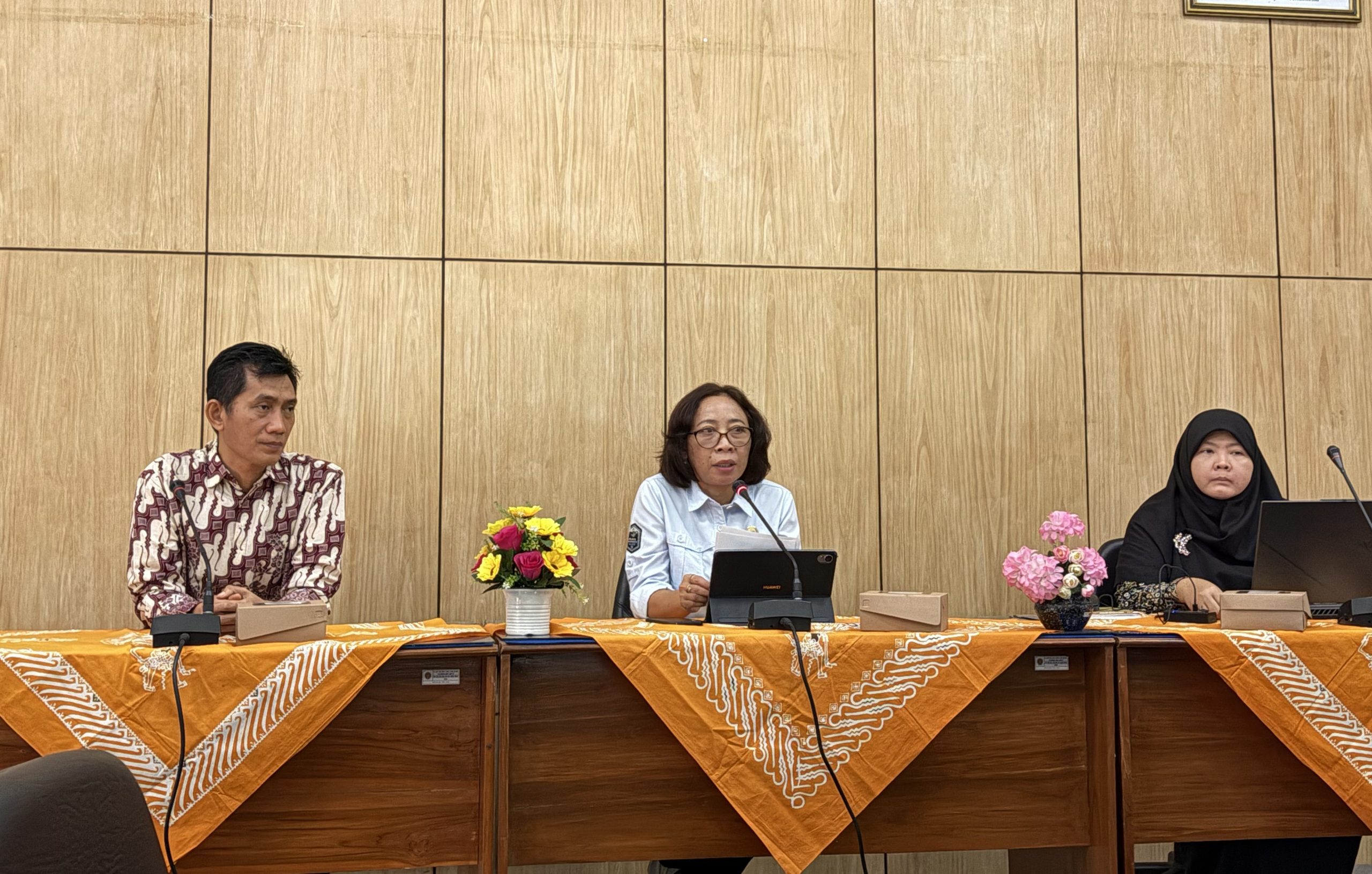
Selamet Daroyni, ICLEI Indonesia Senior Project Officer (left), Yustina Ika Kurniawati, Head of the Energy and Mineral Resources Division at PUPESDM DIY (centre), and Rahmi Andarini, GREENOVA (right) at the opening of the energy management capacity-building programme in Yogyakarta.
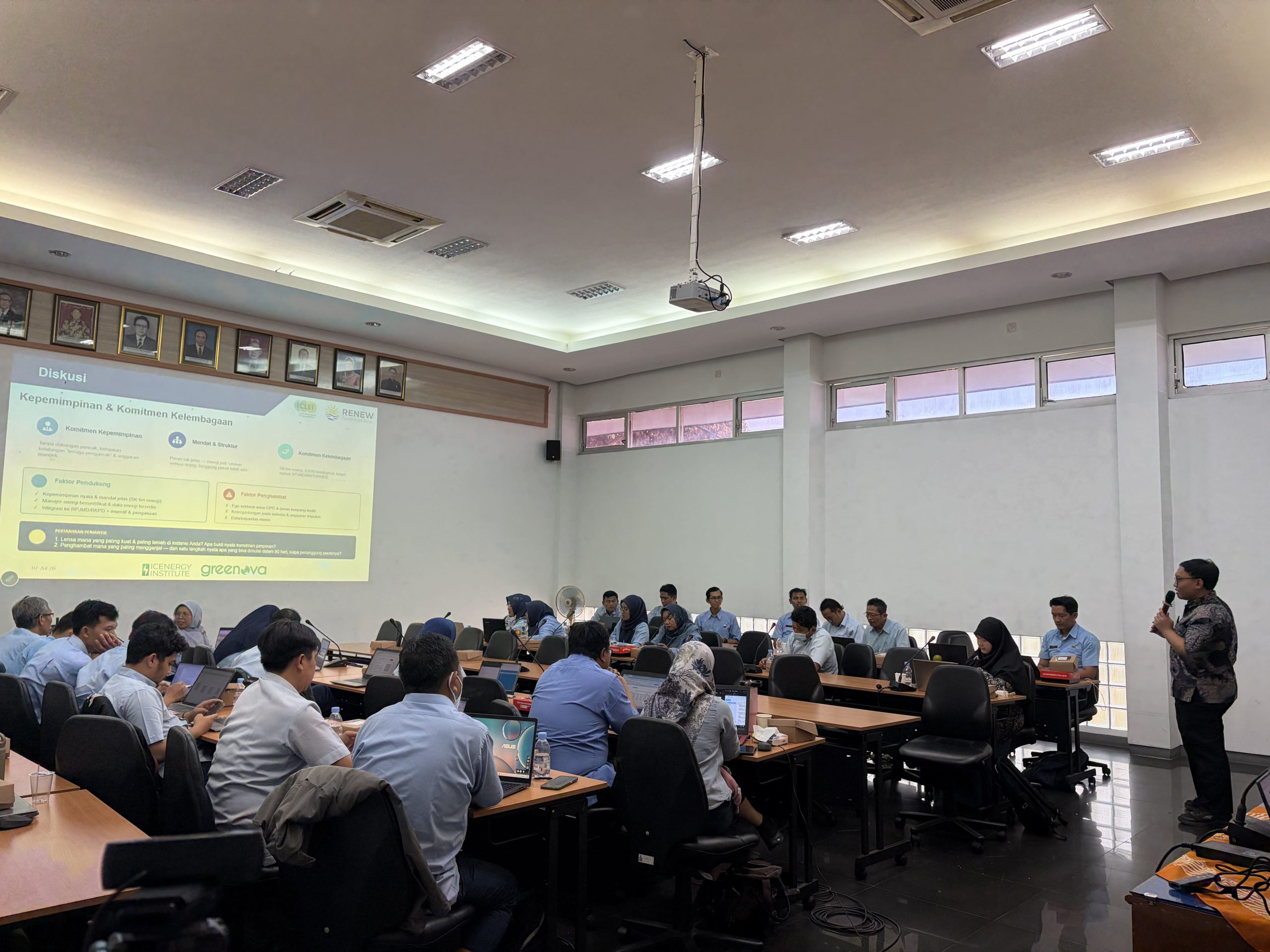
The first day brought governance and energy management into focus, exploring how local governments can embed energy efficiency into daily operations.
Opening the training, Yustina Ika Kurniawati, Head of the Energy and Mineral Resources Division at the DIY PUPESDM Office, highlighted the growing importance of systematic energy management in the regional policy context. Selamet Daroyni, Senior Project Officer of ICLEI Indonesia, underscored the role of strong local government leadership in turning energy policies into action.
Participants then explored the foundations of Energy Management Systems (EnMS), from defining institutional roles and responsibilities to planning, monitoring, and applying the Plan-Do-Check-Act approach. Case studies from government facilities in the Philippines and Indonesia brought these concepts to life, showing how strong leadership, dedicated energy programmes, efficient building design, and consistent monitoring can deliver tangible results.
Turning data into action
Building on the first day’s principles, Day 2 focused on how energy data can be translated into measurable targets and practical interventions.
Participants explored Energy Performance Indicators (EnPIs), energy baselines, monitoring and evaluation, and approaches for tracking energy performance over time. They then translated these learnings into practice, developing SMART (Specific, Measurable, Achievable, Relevant, and Time-bound) objectives and action plans tailored to their respective institutions.
The proposed measures included improving maintenance of air-conditioning and electrical systems, setting air-conditioning temperatures at 25°C, replacing conventional lighting with LEDs, installing automatic lighting sensors, switching off equipment when not in use, and introducing sub-metering to improve energy monitoring.
Participants presented their draft action plans, allowing them to exchange ideas and receive feedback on how to make their proposed actions more measurable and feasible to implement. Discussions emphasised the importance of assigning clear responsibilities, establishing monitoring systems, and maintaining a manageable number of priority actions.
The sessions also reinforced the importance of reliable baseline data. By tracking performance against established baselines, local government institutions can better assess the impact of their energy-saving measures.
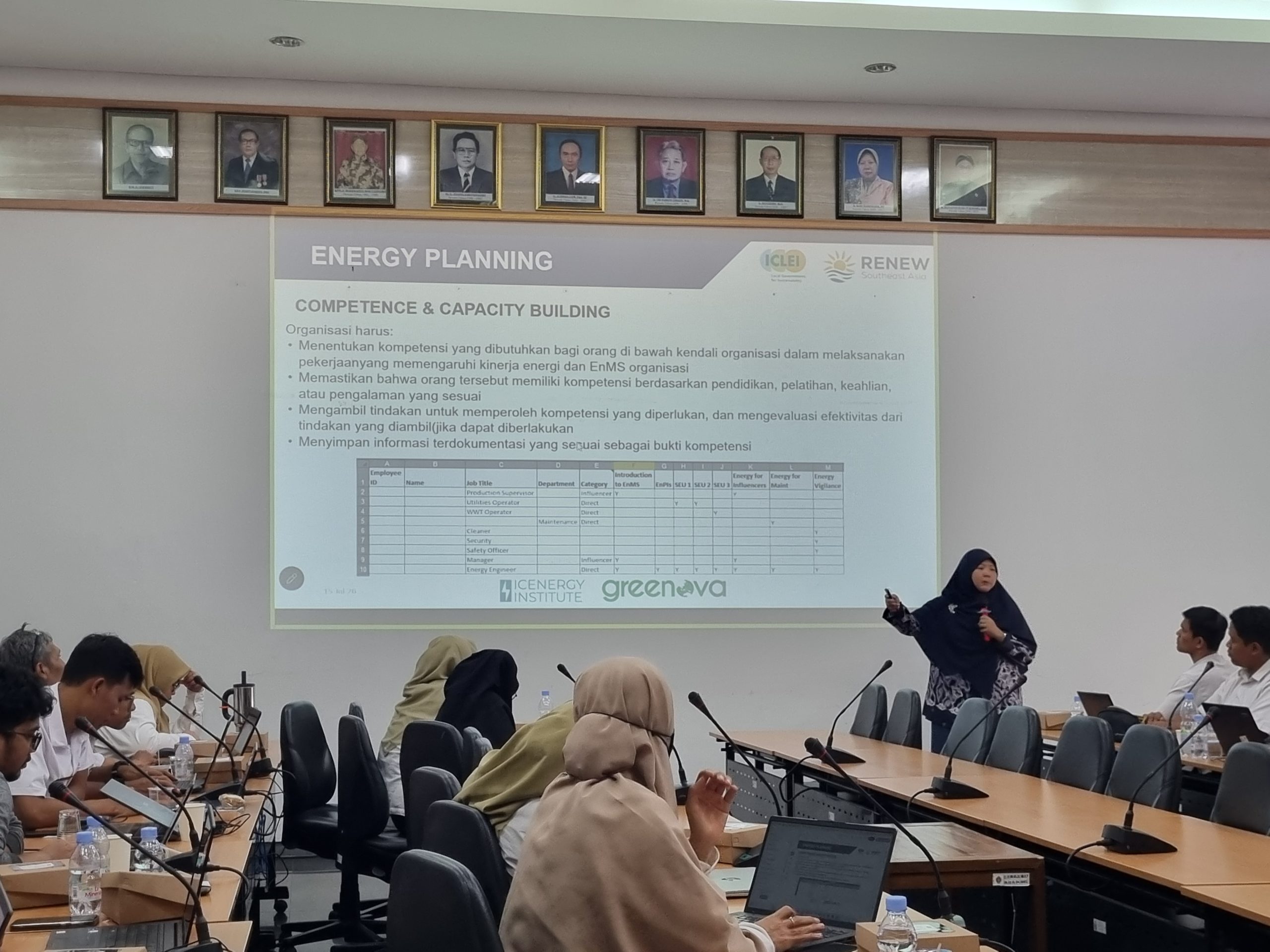 Rahmi Andarini, a facilitator from GREENOVA, is seen presenting the Management Capacity-Building Programme on Energy Planning.
Looking beyond energy efficiency
The final technical session expanded the discussion from energy efficiency to the broader concept of Positive Energy Buildings (PEBs).
Participants explored how public buildings can serve as visible demonstration sites for the integration of energy efficiency and renewable energy. The training emphasised an “efficiency-first” approach: buildings should first optimise and reduce their energy demand before integrating renewable energy systems such as rooftop solar PV.
This approach positions public buildings not only as places where energy is consumed, but also as proof-positive of how government institutions can lead the transition towards cleaner and more sustainable energy systems.
The RENEW-Southeast Asia project is currently in its second year of implementation, working to strengthen policy momentum, technical capacity, and advocacy opportunities for subnational governments in Indonesia and Malaysia. This implementation year will see RENEW-SEA placing a strong focus on the concept of positive energy buildings to empower local and regional governments in Indonesia and Malaysia to act with the resources at their disposal to drive the sustainable energy transition in their territories.