Photo from Canva
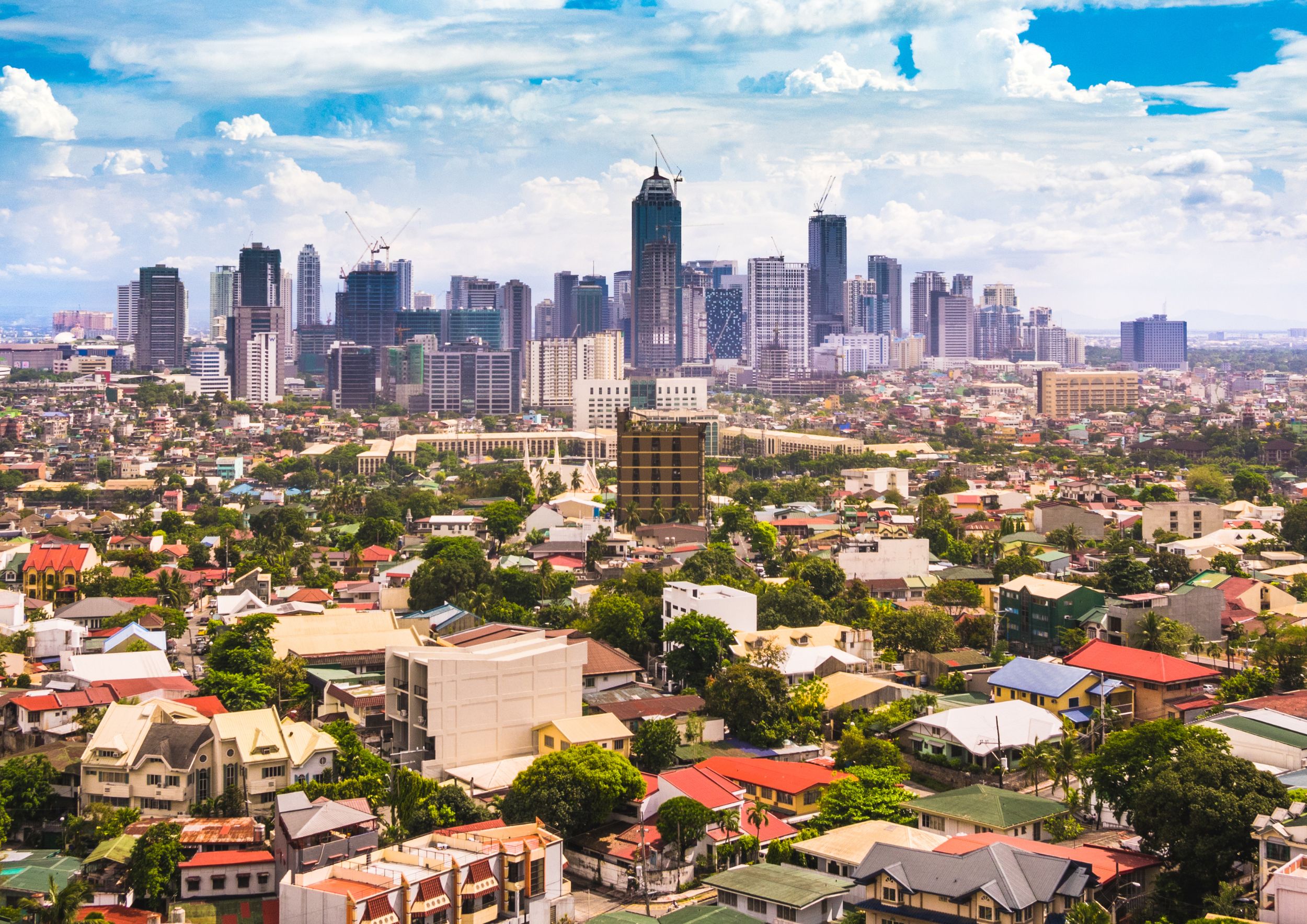
Makati City made history as the first winner of the World Wide Fund for Nature (WWF) One Planet City Challenge (OPCC) from Southeast Asia, after being named by WWF as one of the two Global Winners for the OPCC’s 2025-2026 cycle alongside the City of Paris, France.
Makati City’s recognition from the OPCC as a global climate leader is also a first for cities in the Philippines.
WWF announced the global winners at the OPCC award ceremony at the Hamburg Sustainability Conference on June 30, 2026, with Makati City as the global winner for the developing countries category and Paris as the top city for the developed countries category.
The OPCC is the world’s largest and longest-running climate challenge for cities. Cities were assessed across 55 indicators, covering GHG inventory, target-setting, mitigation and adaptation action, and implementation monitoring. Winning cities were judged based on information they reported using the CDP-ICLEI track, the world’s leading city climate reporting platform.
A Decade in the Making
Makati’s win didn’t happen overnight. The city joined what was then the Earth Hour City Challenge in 2015 and has been building its climate governance architecture ever since—declaring a climate emergency, enacting a Local Energy Code, completing a community-wide GHG inventory, and committing to a 39% emissions reduction by 2030 and net-zero by 2050.
In its official statement, the City Government of Makati was direct about what the recognition means: “For our city and for the Philippines, the award affirms that steady, science-based climate action delivers results the world can see and trust. We carry the distinction as a responsibility. Recognition today must become lower emissions, stronger resilience, and better quality of life tomorrow.”
Why Investing in Cities Matters
For Pamela Cabacungan, Manager for Zero Emissions Development Pathway of ICLEI Southeast Asia, the recognition carries a message well beyond Makati’s borders.
Makati has been a long-standing ICLEI member city, and its win demonstrates what consistent, data-driven local governance can achieve and what peer cities across the Philippines and the region can aspire to.
More critically, she argues, it underscores the urgent need for national governments to formalize and resource LGU contributions to climate commitments.
“The Philippines cannot meet its NDC from the top down alone. Makati’s Global Winner status is a powerful argument for investing in local governments—with financing, technical support, and a formal seat in national climate implementation,” said Cabacungan.
ICLEI Southeast Asia, she added, remains committed to supporting every city in its network—from those completing their first GHG inventory to those, like Makati, now setting the global standard.
Partners Acknowledged, Momentum Sustained
Makati credited both WWF and ICLEI for the technical platforms and networks that enabled its progress, and was unambiguous about what comes next: “We intend to build on this momentum. Makati will pursue its 2030 and 2050 targets with discipline, backed by reliable local data, sustained financing, and honest measurement of progress.”
The city also framed the win as a regional platform for partnerships, committing to continued collaboration with fellow cities in the Philippines and Southeast Asia—an invitation, in its own words, for cities to move forward together in climate action.
Earlier this year, Makati also became the first city in the Philippines to achieve 100% renewable energy utilization across all public infrastructure.
ICLEI Southeast Asia has been the technical implementation partner of the WWF in the region since 2013, supporting OPCC activities through in-depth capacity building workshops, mainly on climate data reporting using the CDP-ICLEI Track, but has expanded to include topics such as local climate action planning; GHG inventory (GHGi); Inclusive Climate Action (ICA); Local Energy Efficiency and Conservation Plan (LEECP); and developing Climate and Disaster Risk Assessments (CDRA).
Written by Pamela Cabacungan, Manager for Zero Emissions Development Pathway of ICLEI Southeast Asia