How can public buildings become energy assets instead of just energy consumers? This question guided local government leaders from Malaysia, Indonesia, and the Philippines during a regional peer exchange where participants explored practical pathways to accelerate renewable energy adoption and Positive Energy Buildings (PEBs) across Southeast Asia.
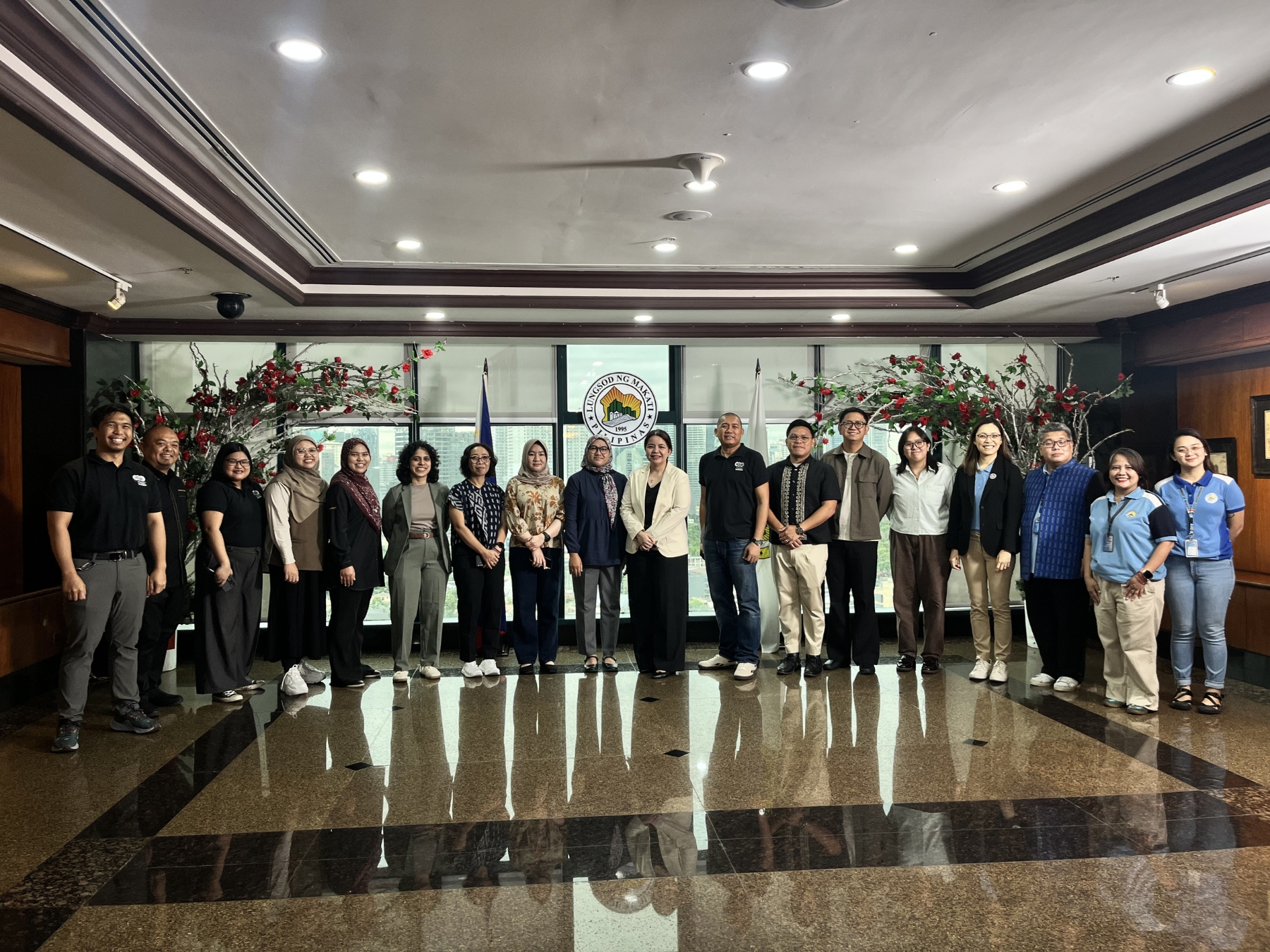
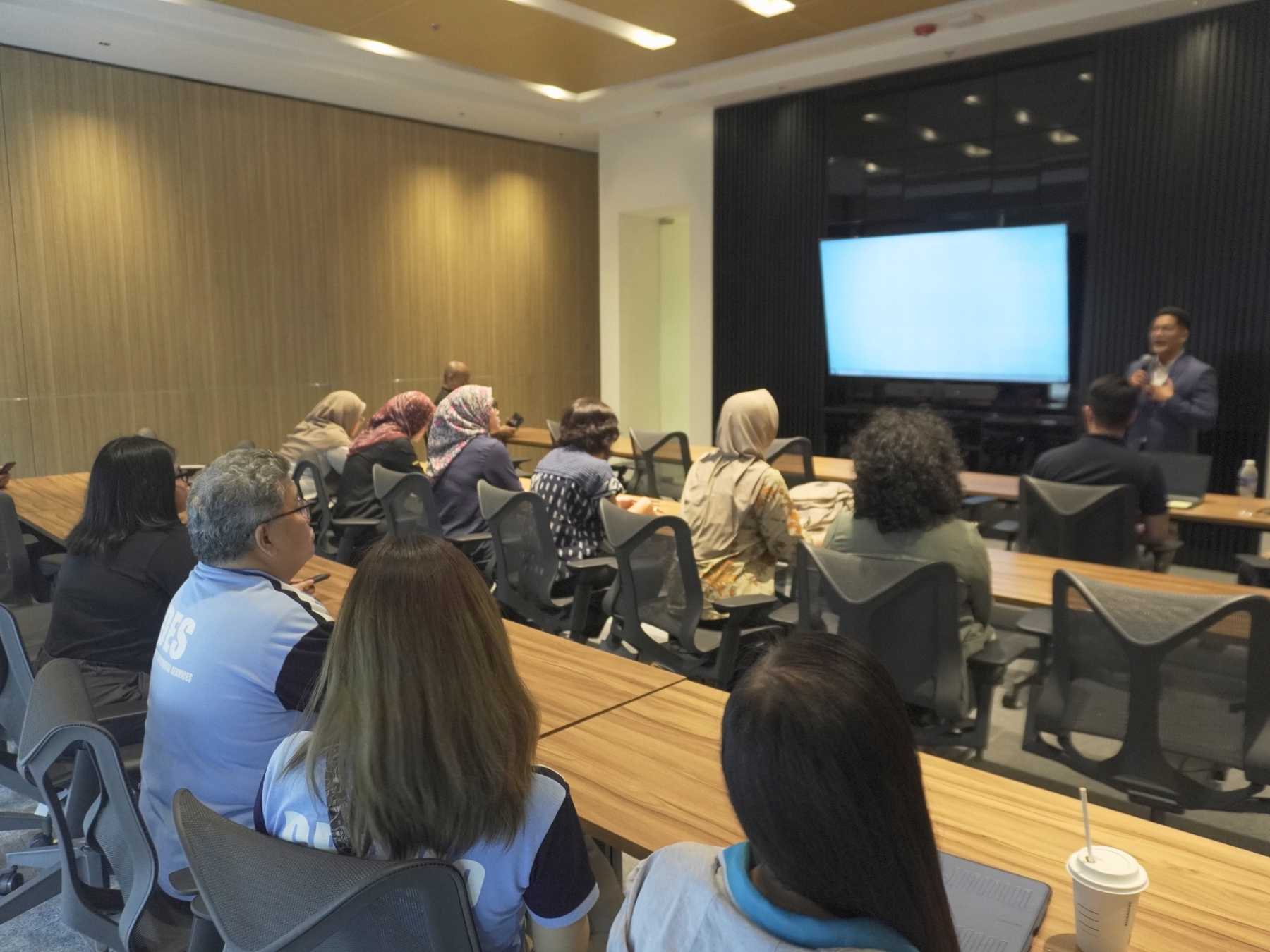
Over 30 representatives from local governments and development organizations gathered in Makati City, Philippines on 30 June 2026 for a study tour and peer exchange under the RENEW Southeast Asia: Mobilizing and empowering subnational governments in Southeast Asia for sustainable energy transition (RENEW-SEA) project.
Organized by ICLEI Southeast Asia in collaboration with the City Government of Makati, the activity provided a platform for cities to exchange experiences, discuss common challenges, and identify practical solutions for accelerating the transition to renewable energy (RE) and Positive Energy Buildings (PEBs)in public buildings.
The exchange highlighted the growing importance of improving energy security and reducing greenhouse gas emissions through the building sector, one of the region’s largest energy consumers. Participants also learned how PEBs combine high energy efficiency, renewable energy generation, energy storage, and smart energy management to produce more energy than they consume over time.
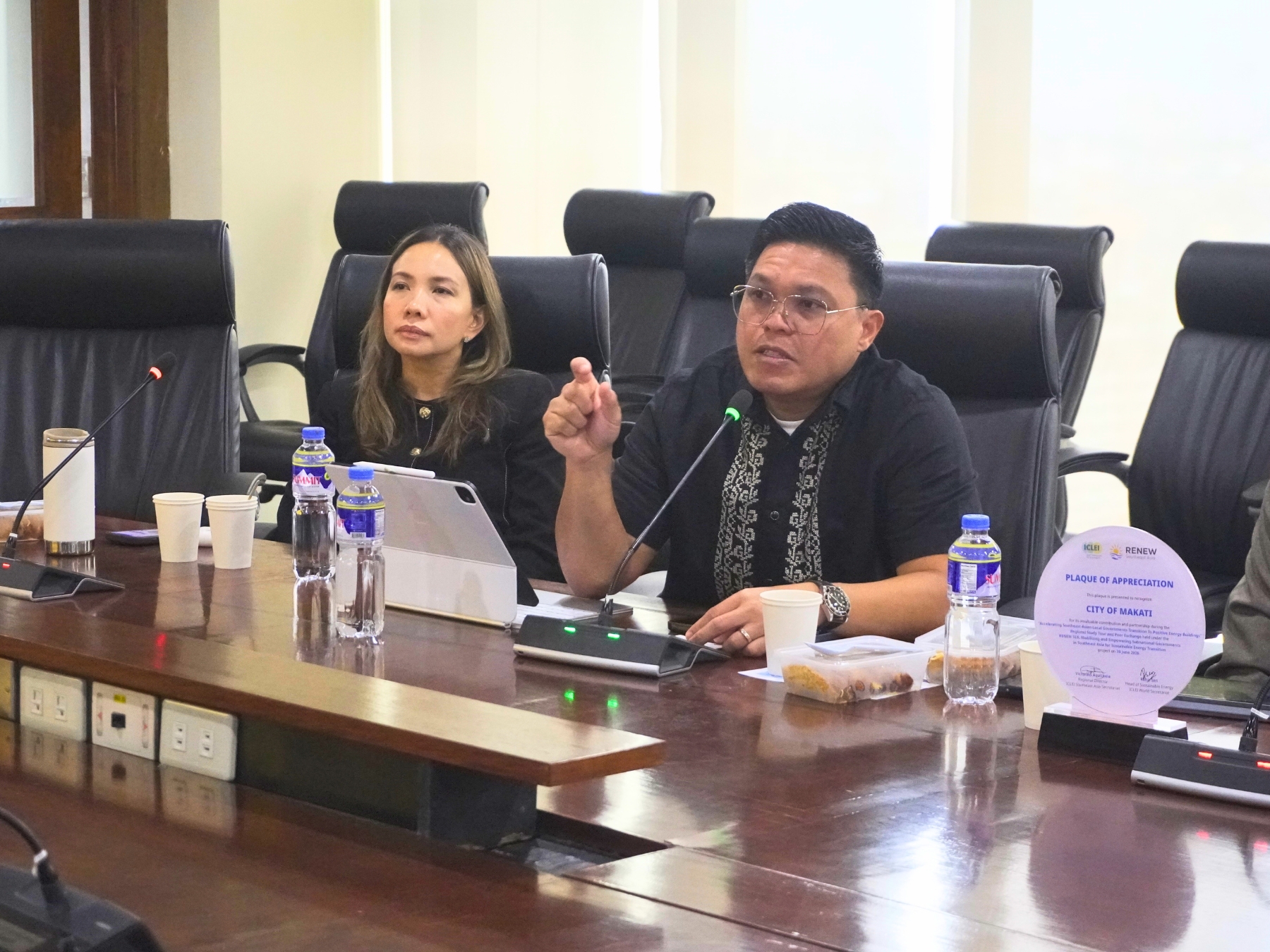
A key highlight of the event was Engr. George William Hong, Makati City Engineer, presenting the city’s recent milestone of securing 100% renewable electricity for all 154 local government facilities through a single aggregated procurement contract signed just this March 2026. By leveraging national renewable energy policies, retail electricity competition, and strong political leadership, Makati expects to avoid approximately 300,000 metric tonnes of carbon emissions while generating around PHP 300-million (~USD 4.8-million) in electricity cost savings over the next nine years.
This achievement follows Makati City’s support of ICLEI’s 100% Renewables Cities and Regions Energy Compact and participation in the 100% Renewables Cities and Regions Network in 2023.
Exchanging ideas towards the sustainable energy transition
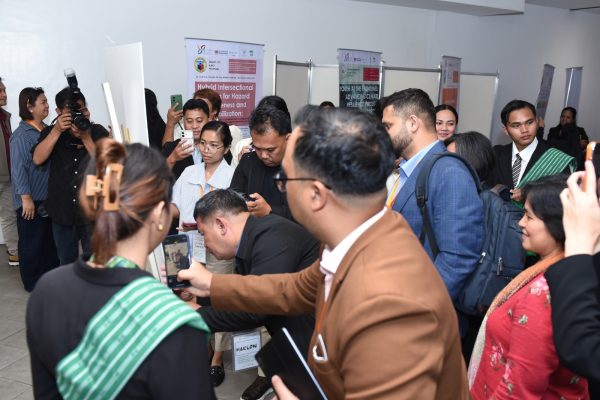
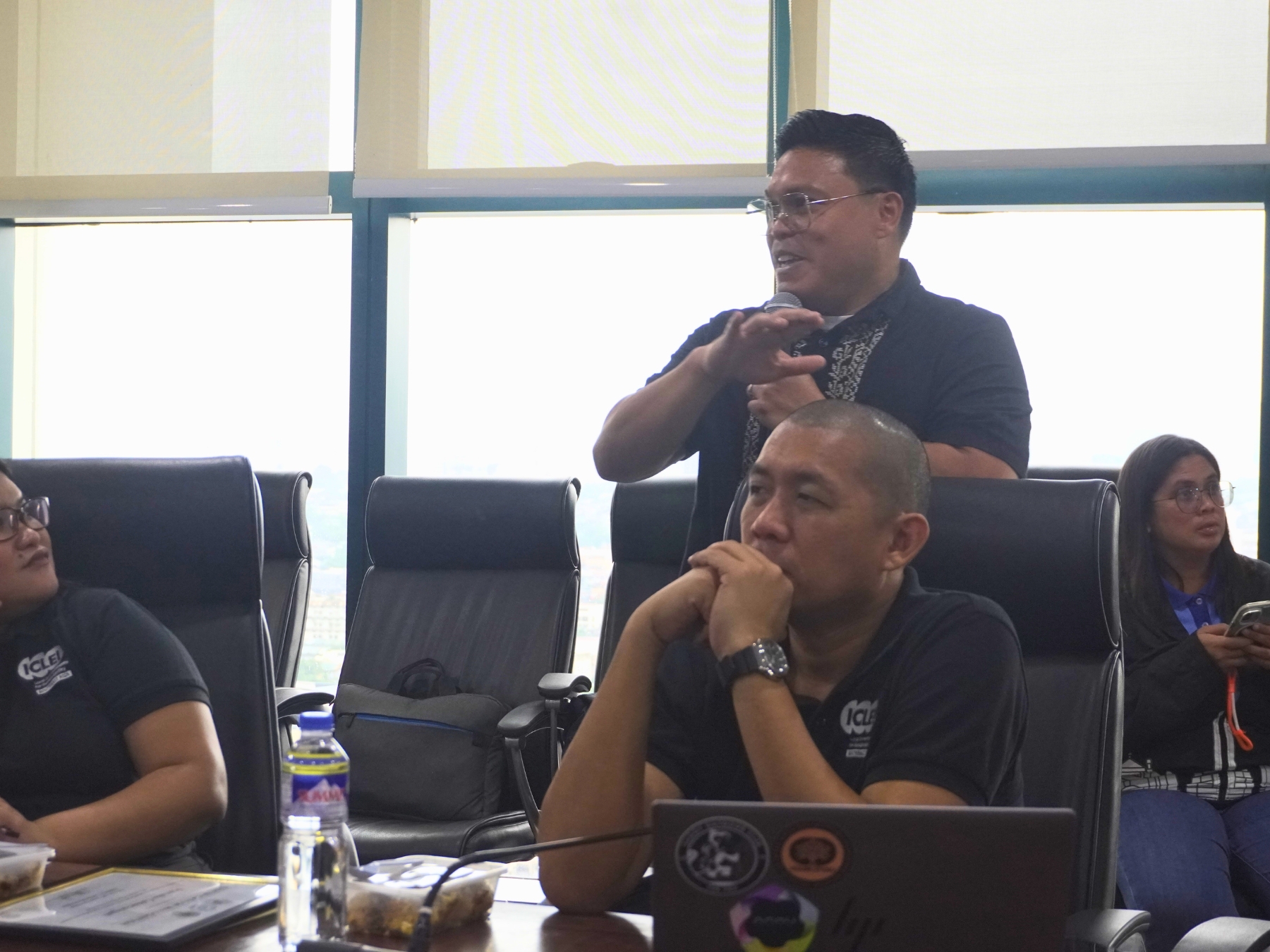
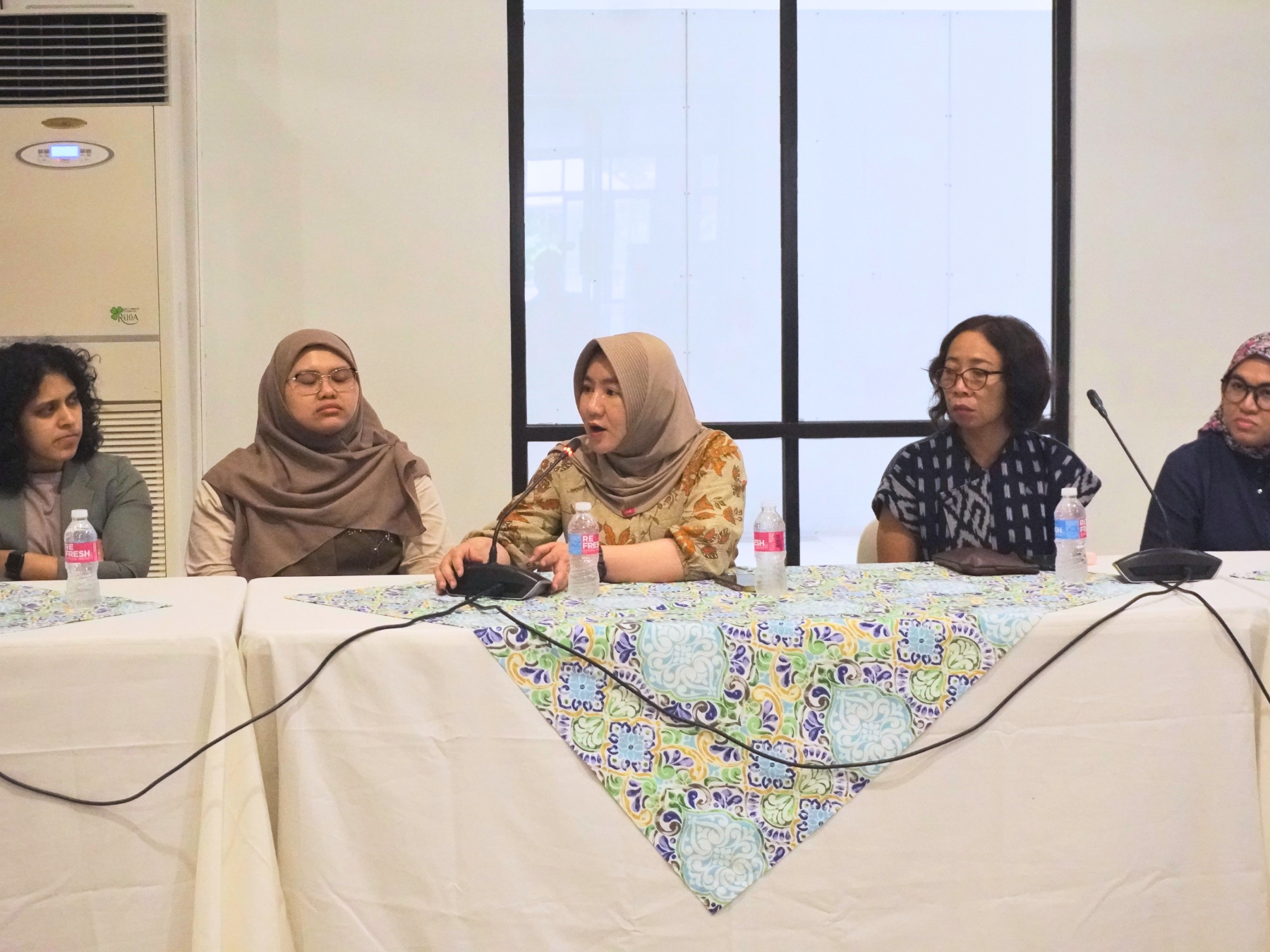
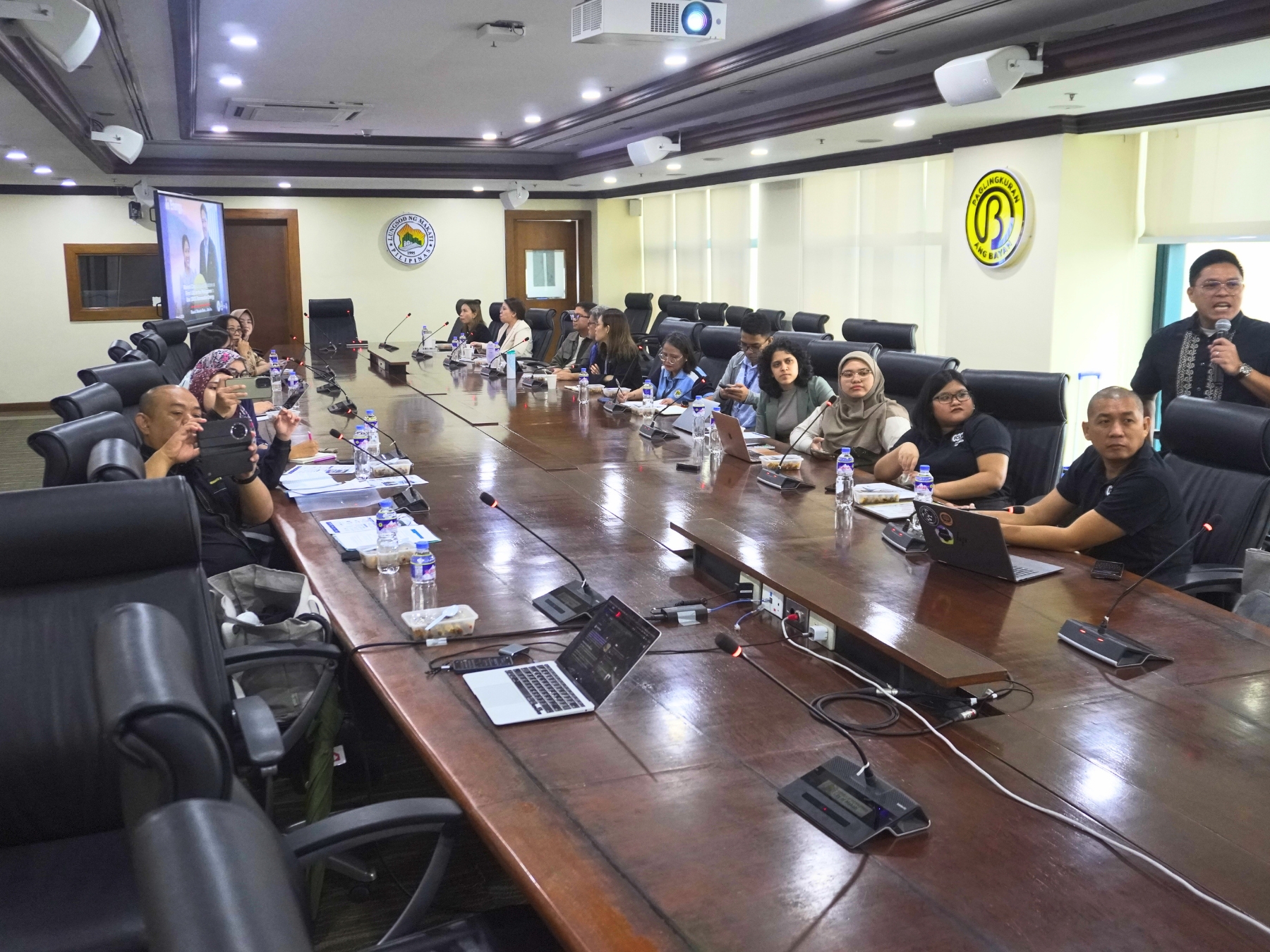 The RENEW-SEA Peer Exchange took place in the Makati City Hall on 30 June 2026 and involved the local governments of Makati, West Nusa Tenggara, Yogyakarta, Melaka, and Alor Gajah, among other development partners.
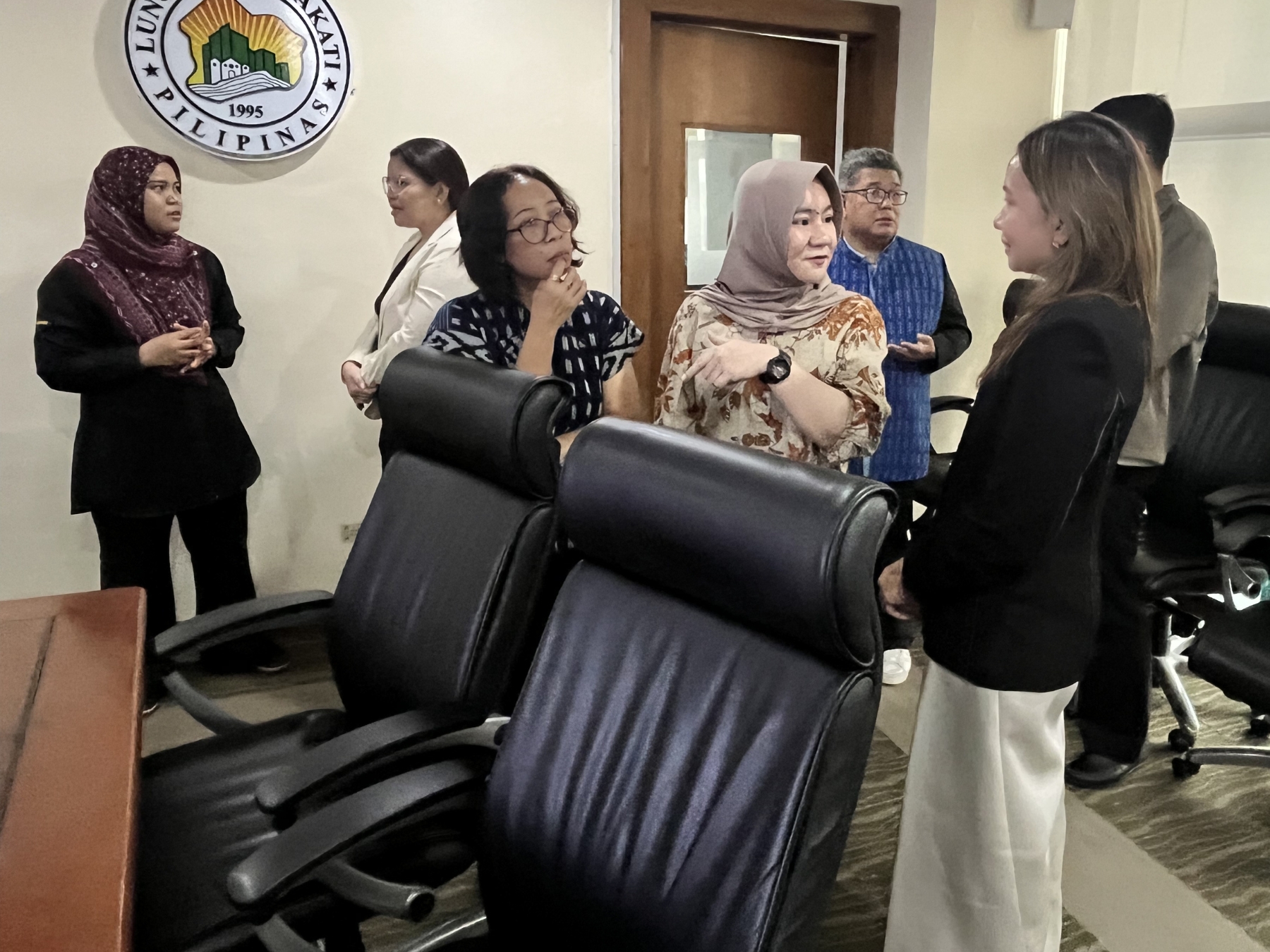
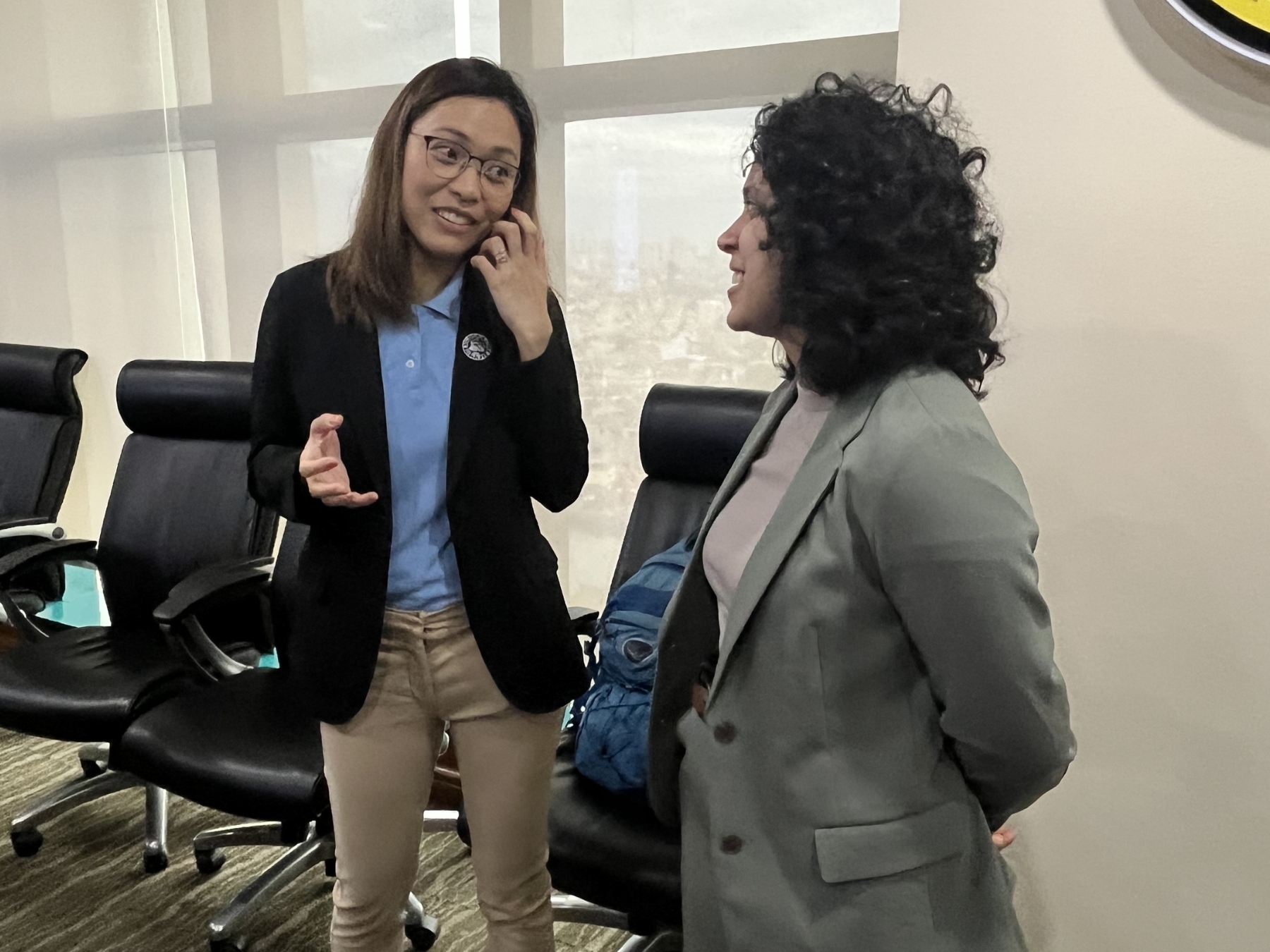
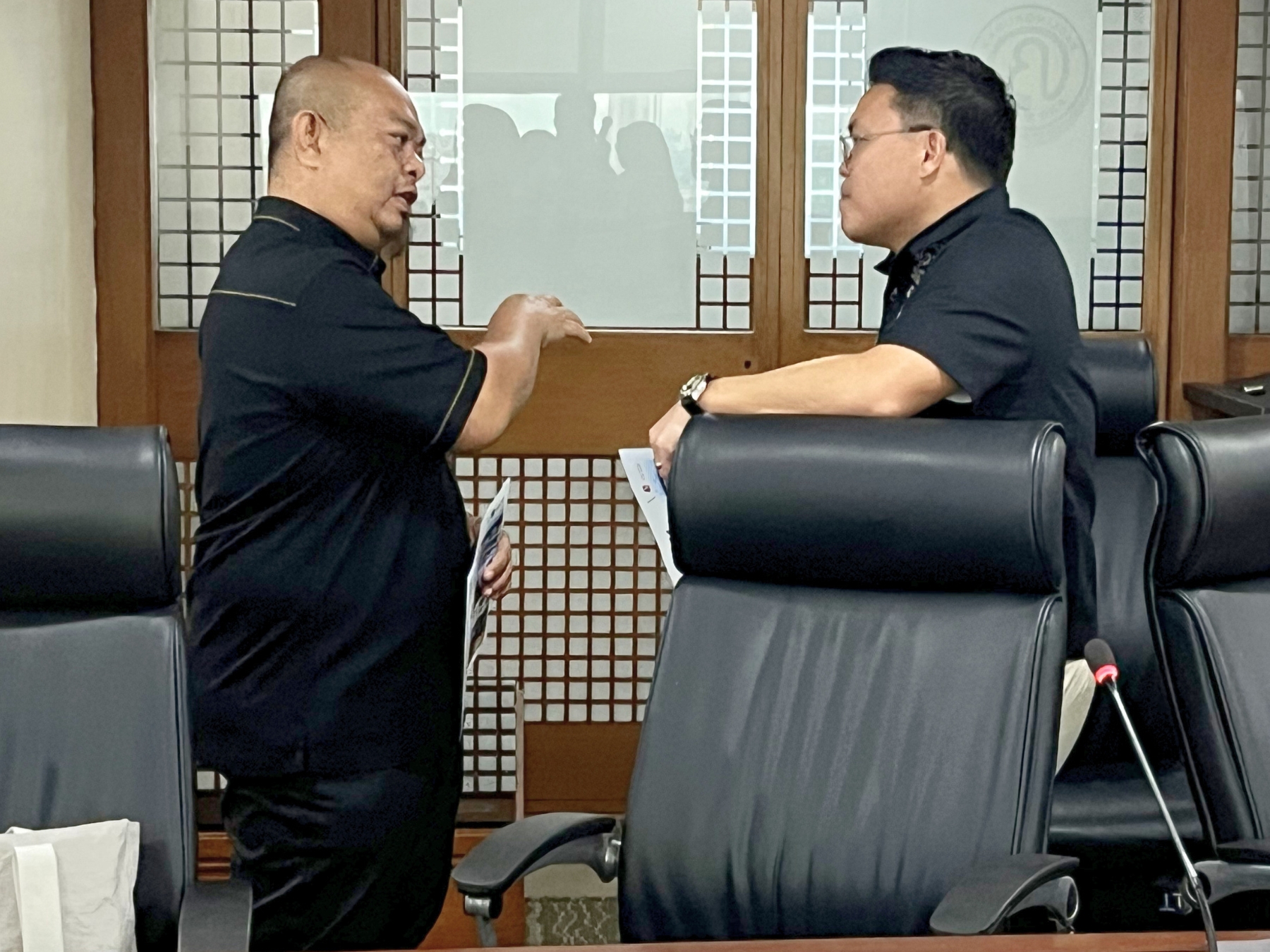
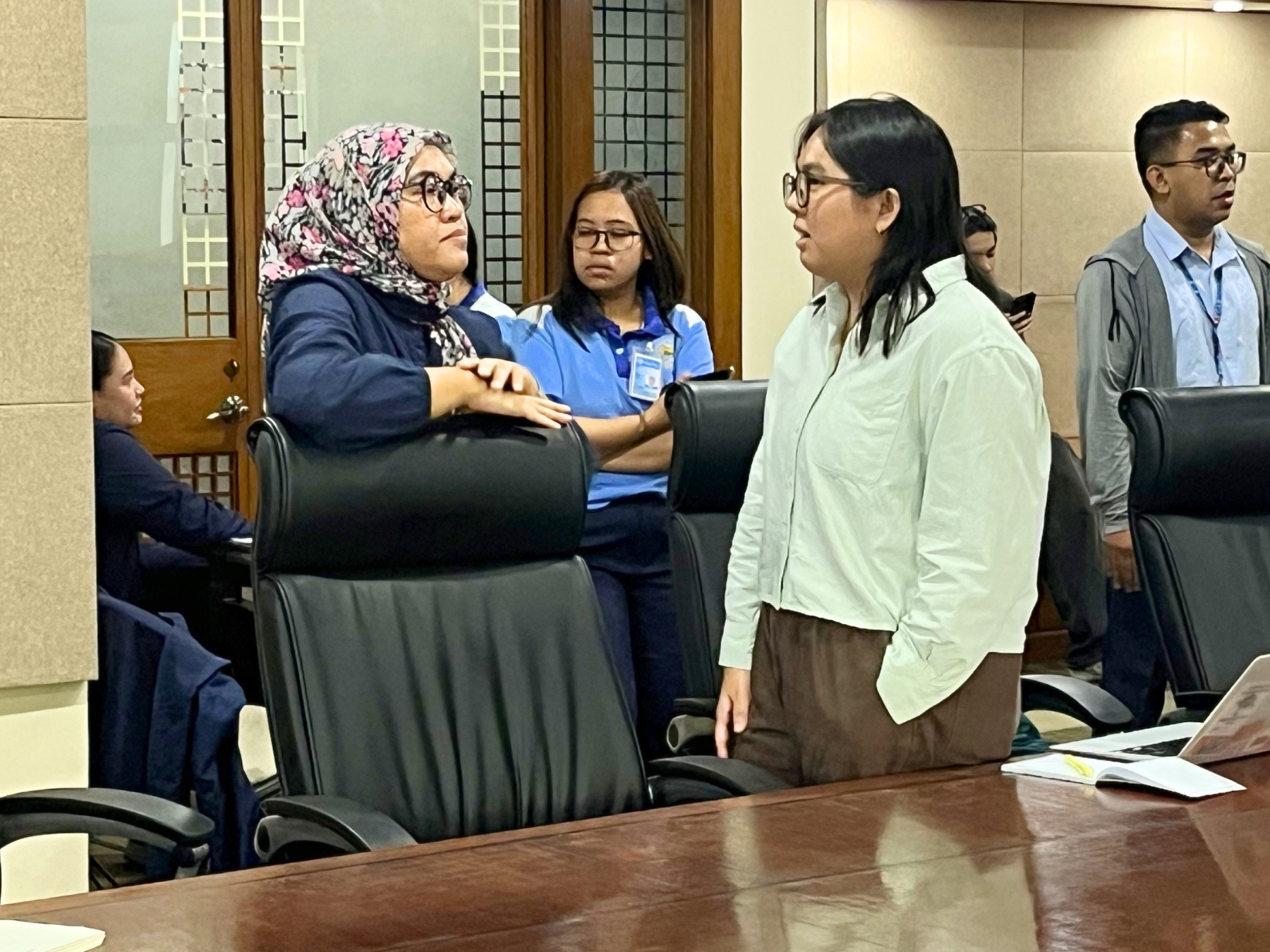
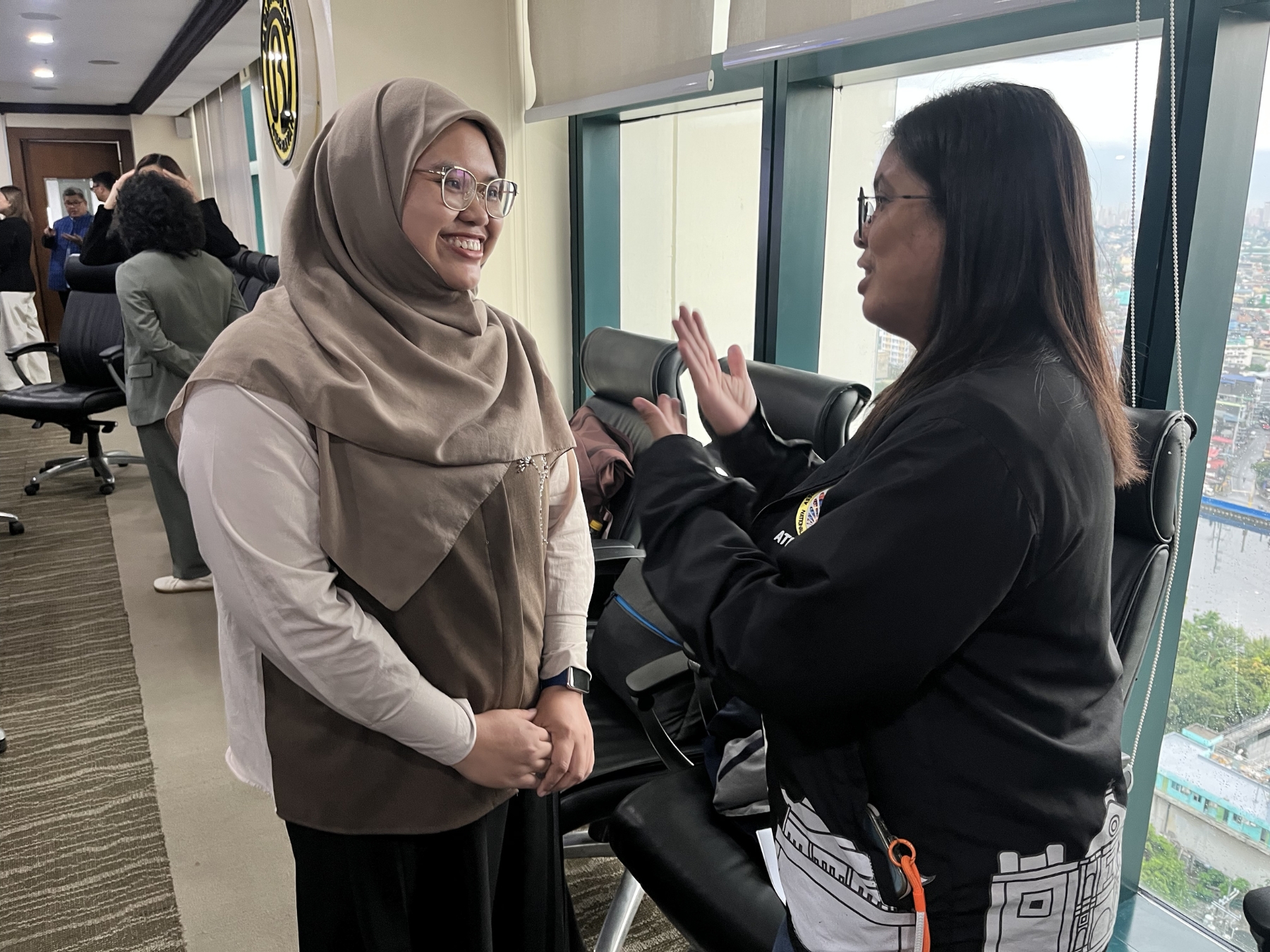
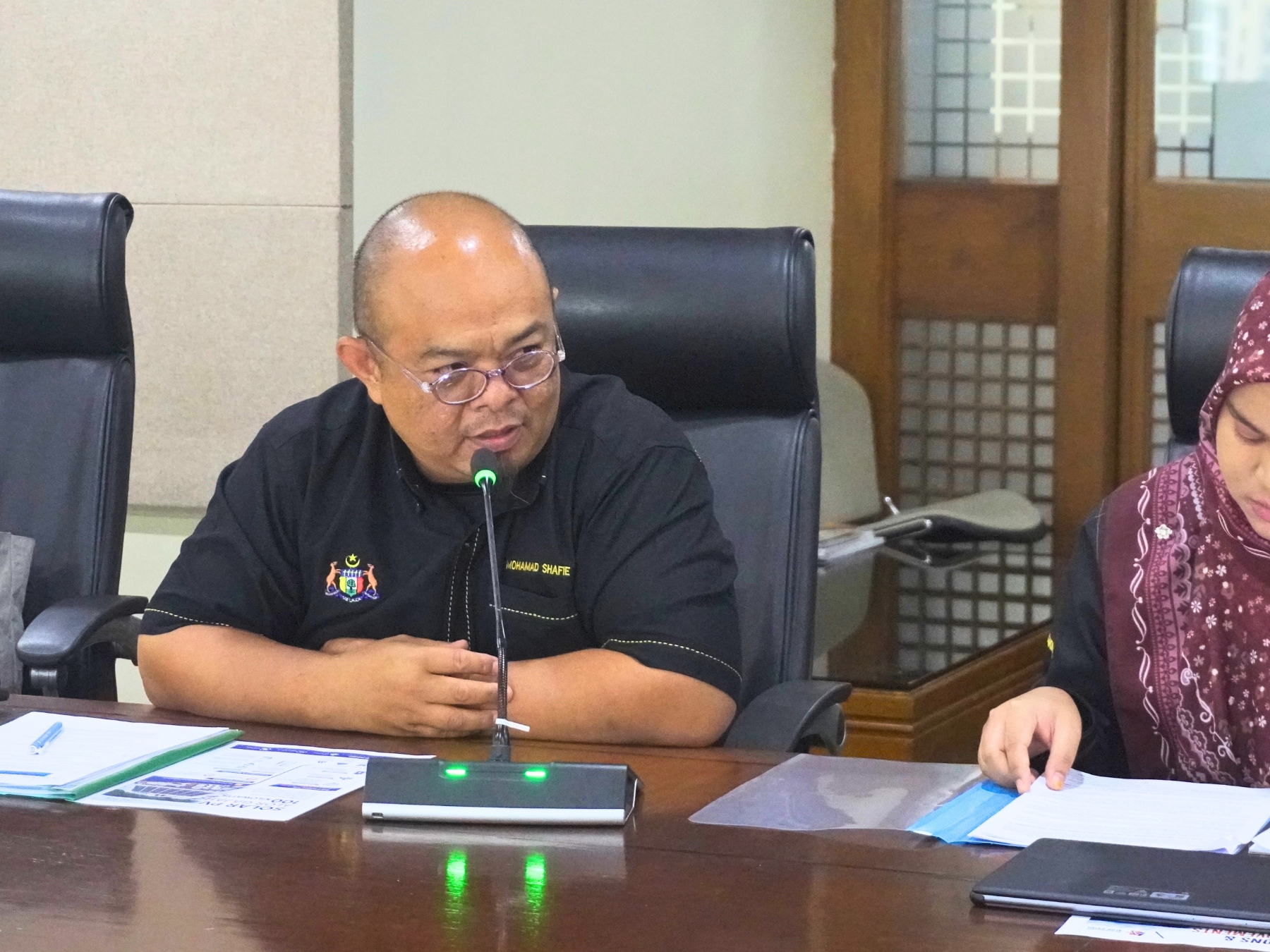
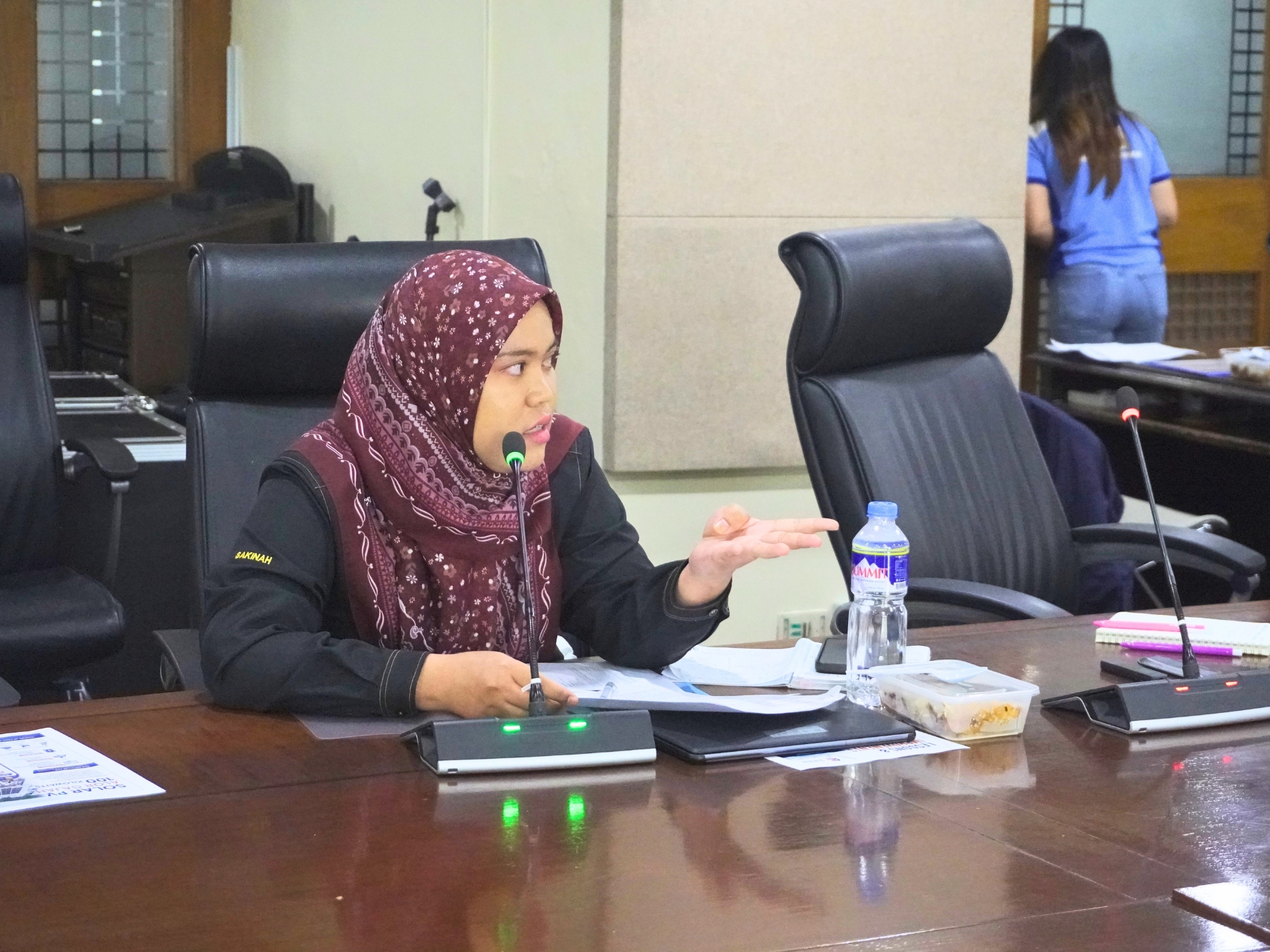
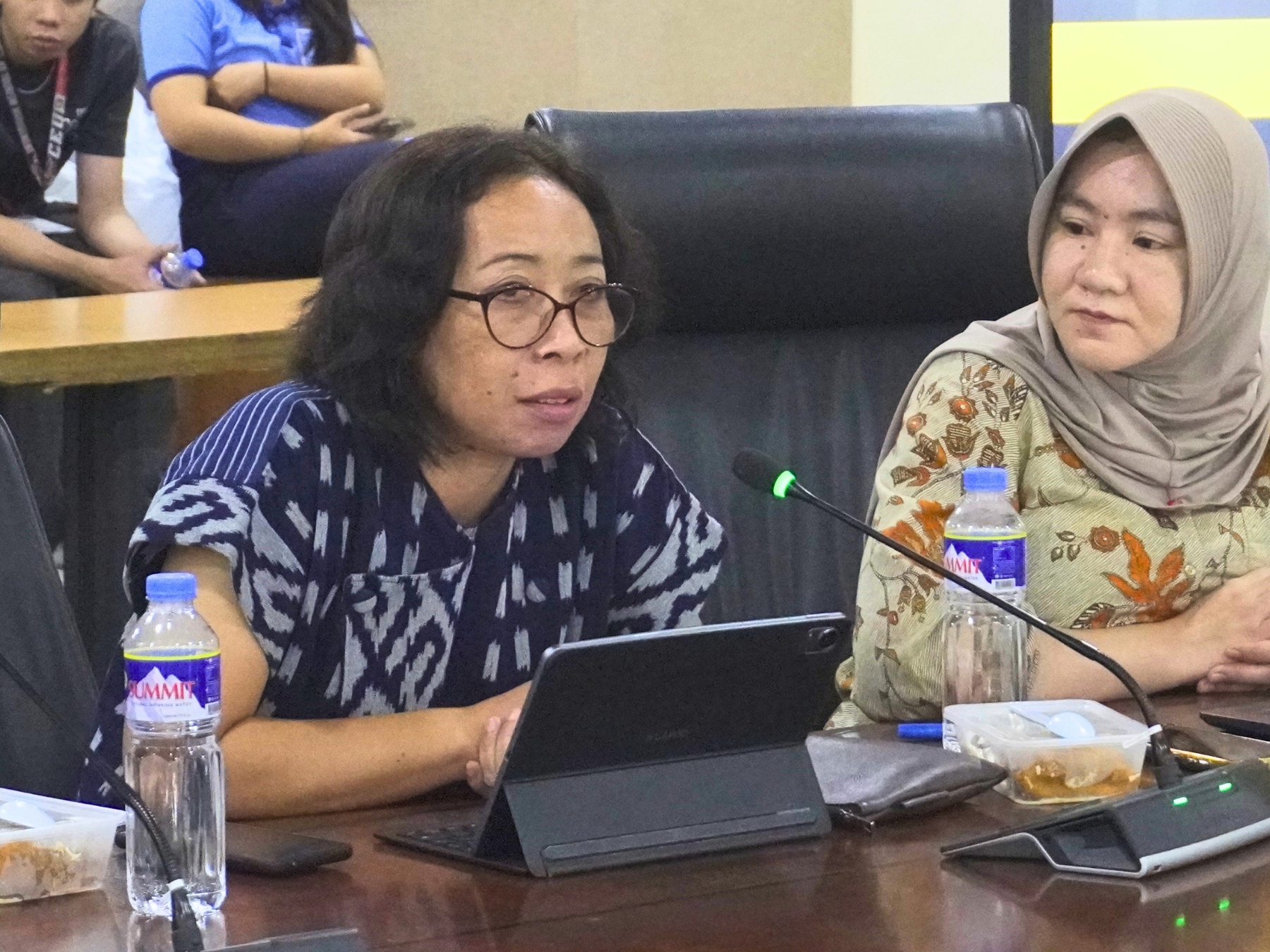
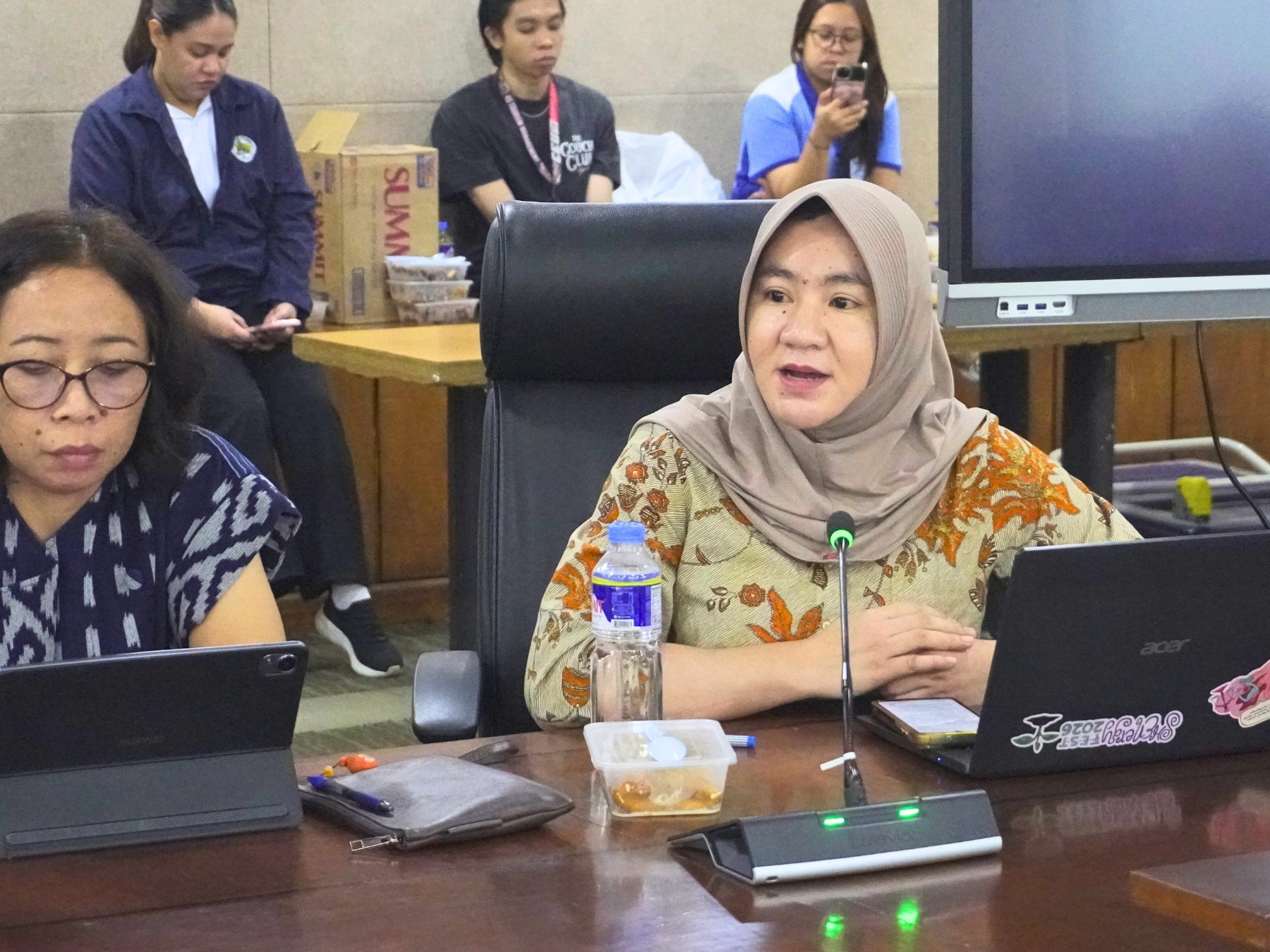

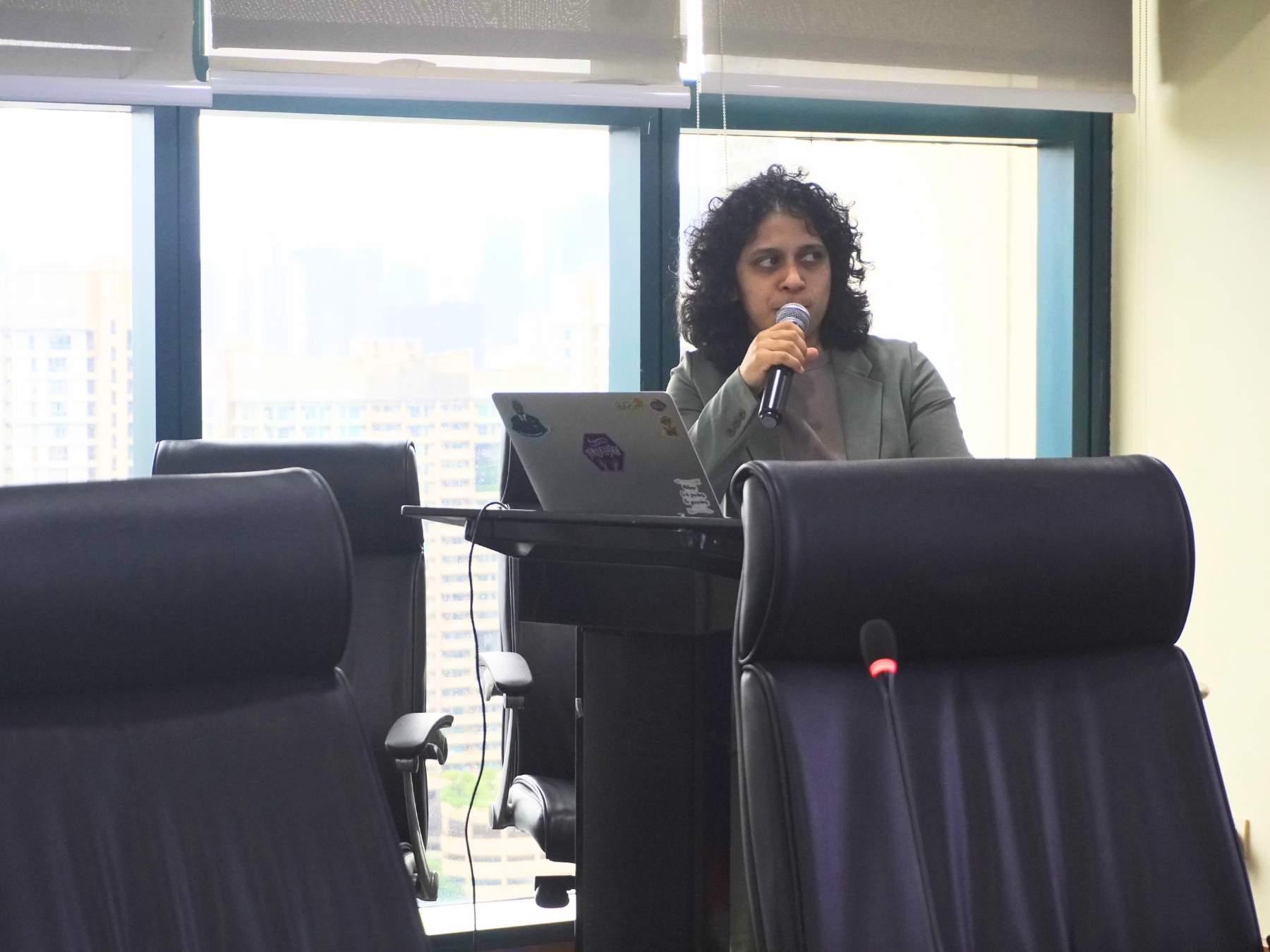
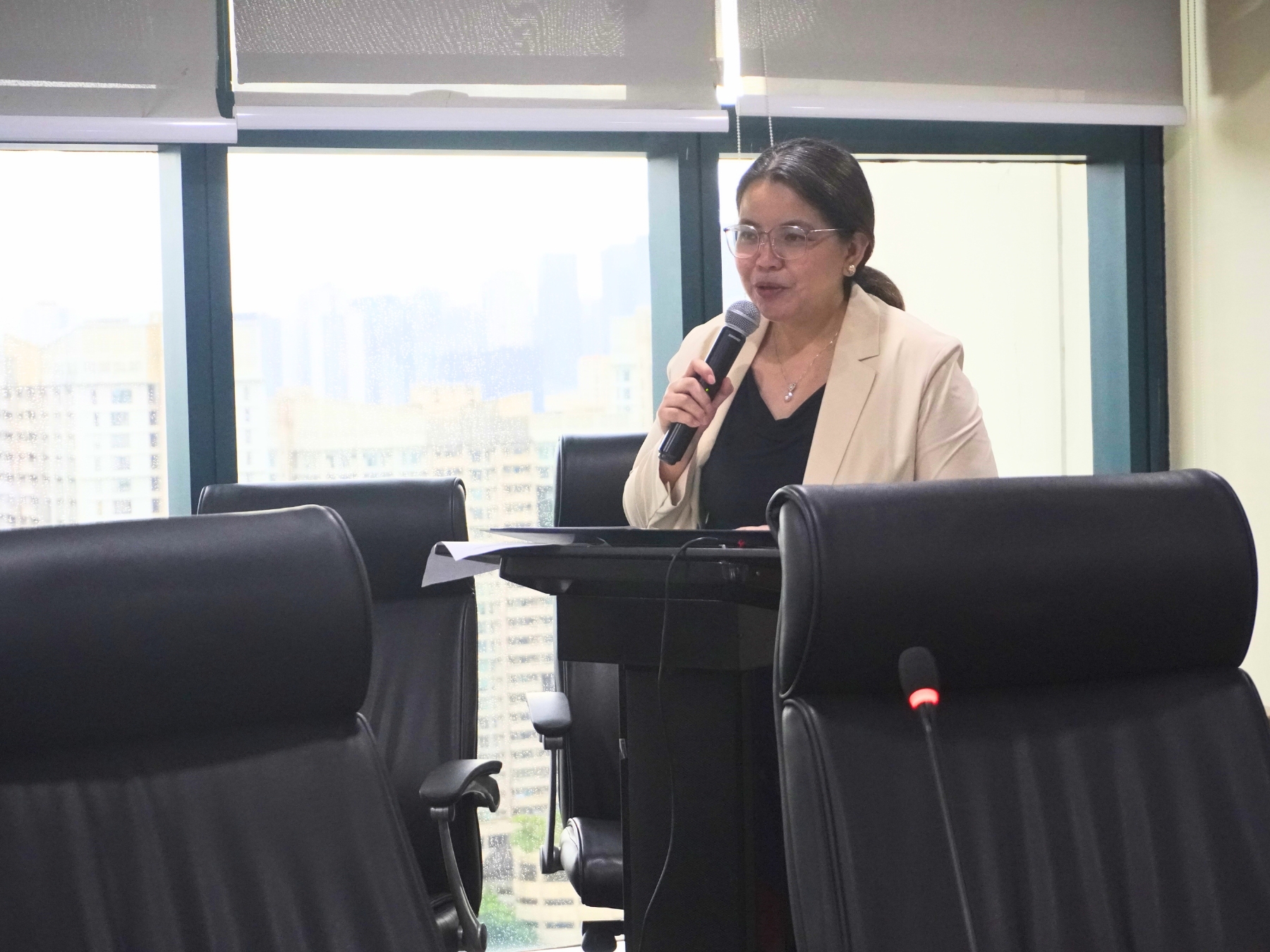
Farahiyah Sakinah Binti Aman, Senior Assistant Manager at the Melaka Green Technology Corporation (MeGTC) and Mohamad Shafie Bin Taib, Green Manager of the Alor Gajah Municipal Council (MPAG) in Malaysia, shared their own experiences in implementing rooftop solar photovoltaic systems, improving energy efficiency, developing energy management systems, overcoming challenges related to financing, and stakeholder coordination.
Farahiyah Sakinah shared that Melaka leverages the national solar policy framework in installing solar photovoltaics on government buildings, as well as private sector partnerships to accelerate their solarization initiatives as with the case of the Melaka UTC Building Solar Integrated Carpark. She also notes that energy efficiency measures precede RE installations to ensure solar systems are properly sized and energy wastage is reduced.
Mohamad Shafie said that in MPAG’s experience, it is easier to incorporate RE initiatives in newer public buildings versus retrofitting older buildings. He shared that its new municipal building has a 100kW solar PV system enabling up to 30% electricity savings monthly, with future plans to scale the system up to 200kW and install battery energy storage systems to further its energy independence.
Drawing lessons from their experiences, representatives from Indonesian subnational governments also shared their ongoing efforts and challenges in advancing the clean energy transition.
Niken Arumdati, Secretary of the Department of Energy and Mineral Resources of West Nusa Tenggara (WNT) Province, emphasized the importance of strengthening financing mechanisms at the subnational level by establishing dedicated annual budgets for renewable energy and energy efficiency projects, mobilizing innovative financing mechanisms, and integrating green building principles into government planning and public procurement policies.
Meanwhile, as the Special Region of Yogyakarta continues to develop its energy efficiency initiatives, Yustina Ika Kurniawati from the Energy and Mineral Resources Office of the Special Region of Yogyakarta highlighted the need to address the lack of energy consumption data by establishing baseline energy use in government buildings through the implementation of energy management systems and regular energy audits.
Liana Fernando, Junior Officer of the Energy Transition Partnership (ETP) of the United Nations Office for Project Services (UNOPS), emphasized that supportive national policies, reliable energy data, institutional capacity, and innovative financing mechanisms remain essential to scaling sustainable energy projects.
Participants also highlighted the importance of public-private partnerships, third-party investment models, and pilot projects to reduce upfront costs while building local confidence for wider implementation.
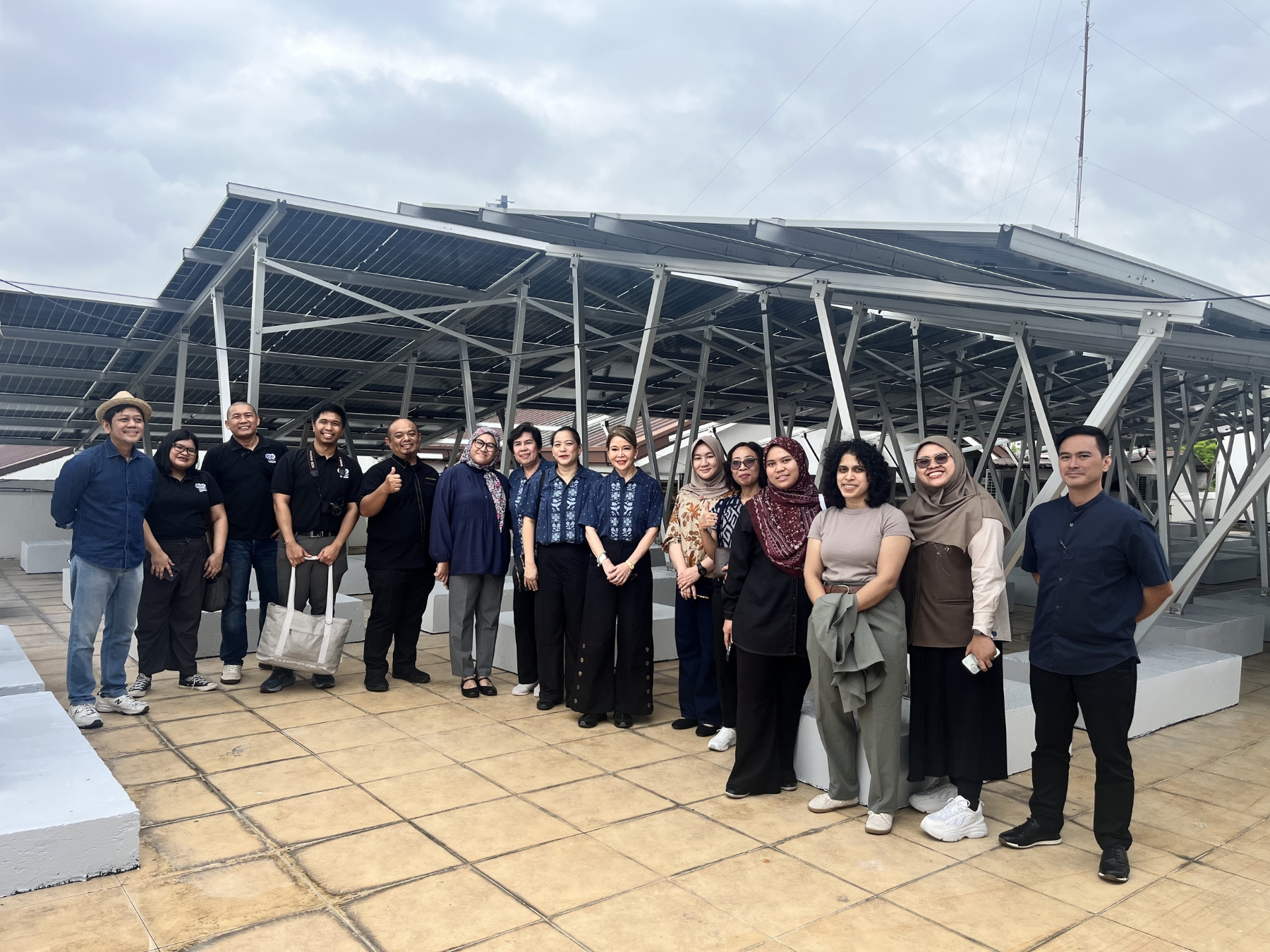 Participants visited the Village Hall of Barangay Bel-Air in Makati City which featured a grid-tied solar PV array on its rooftop.
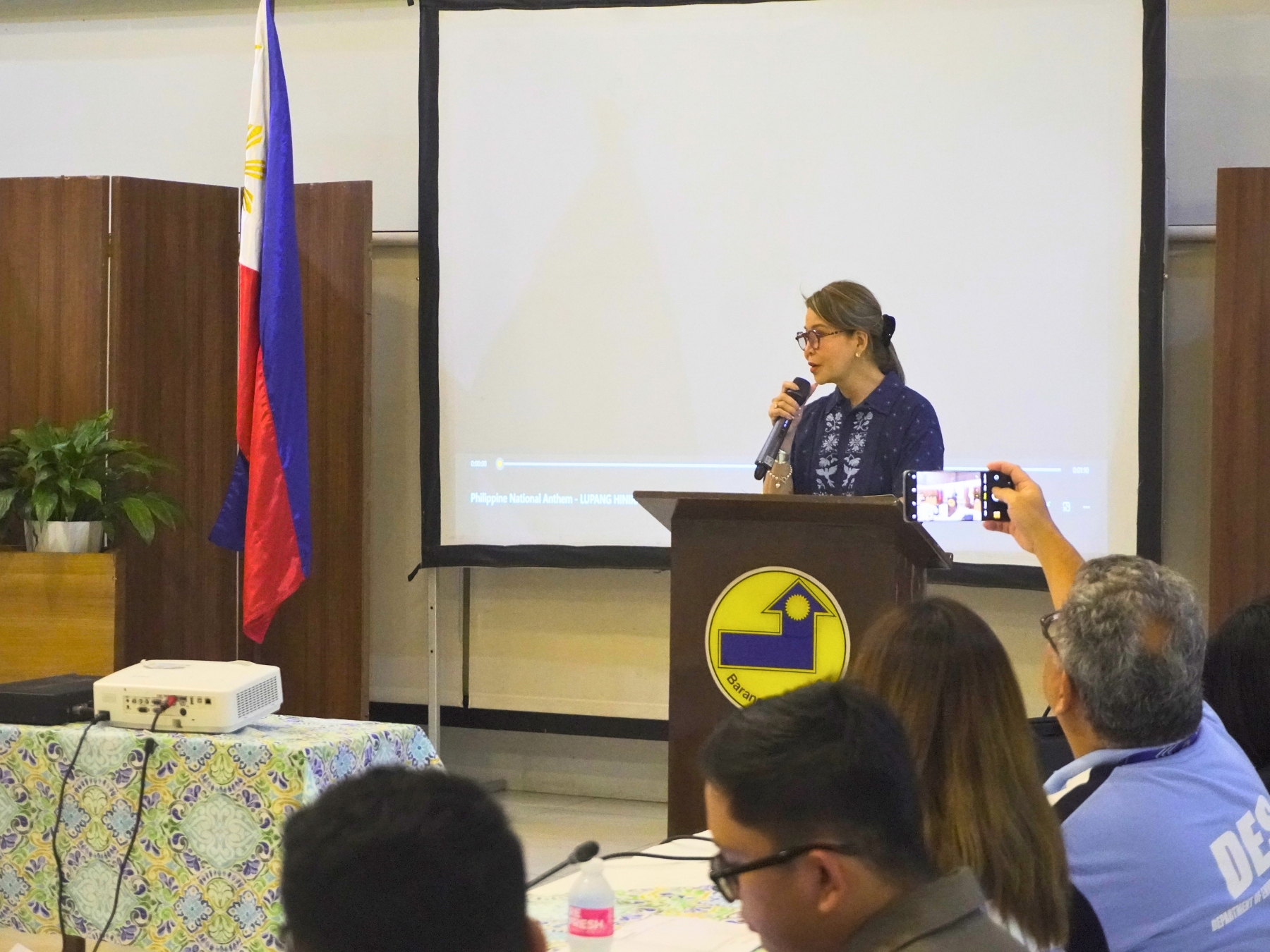
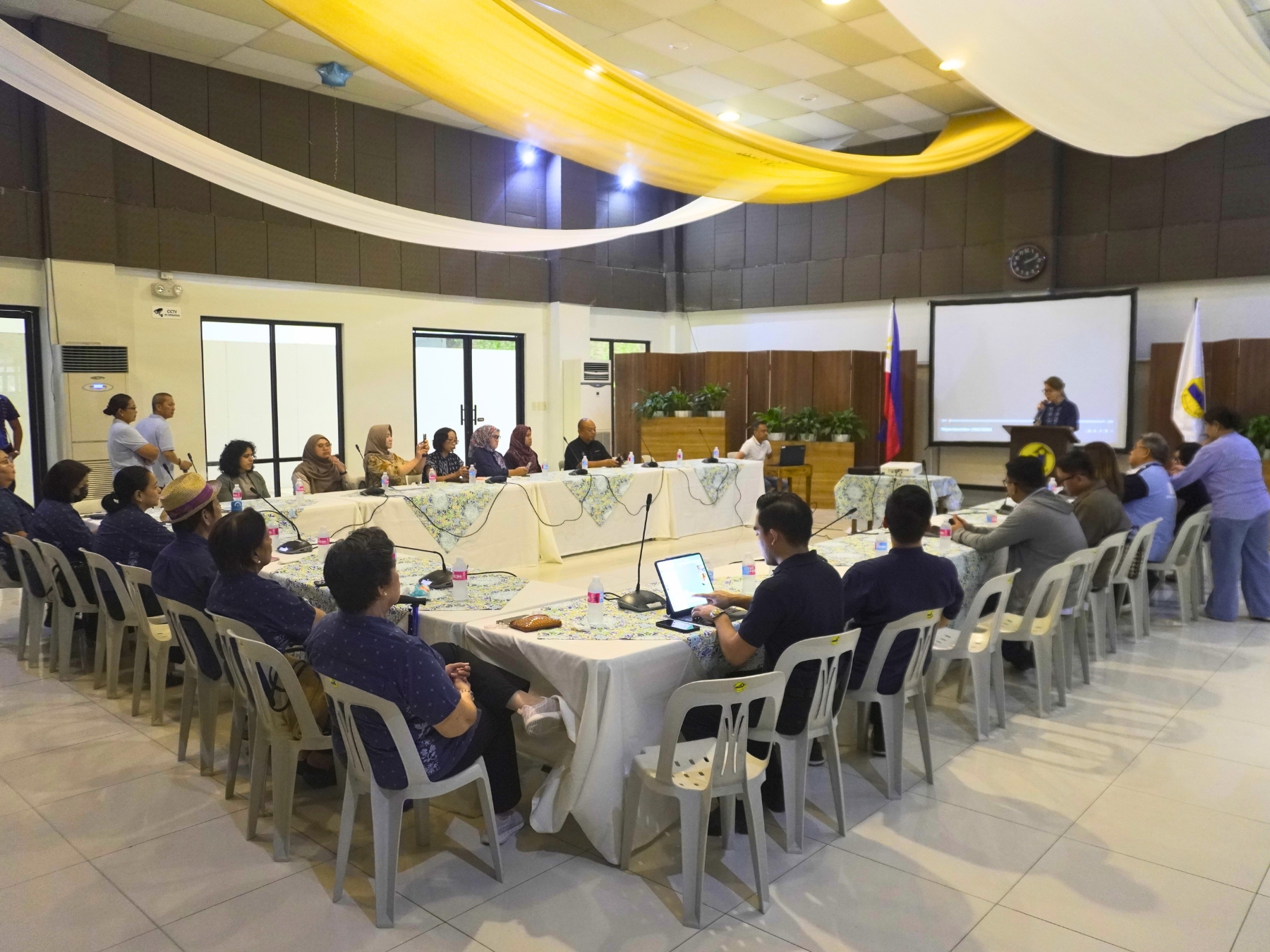
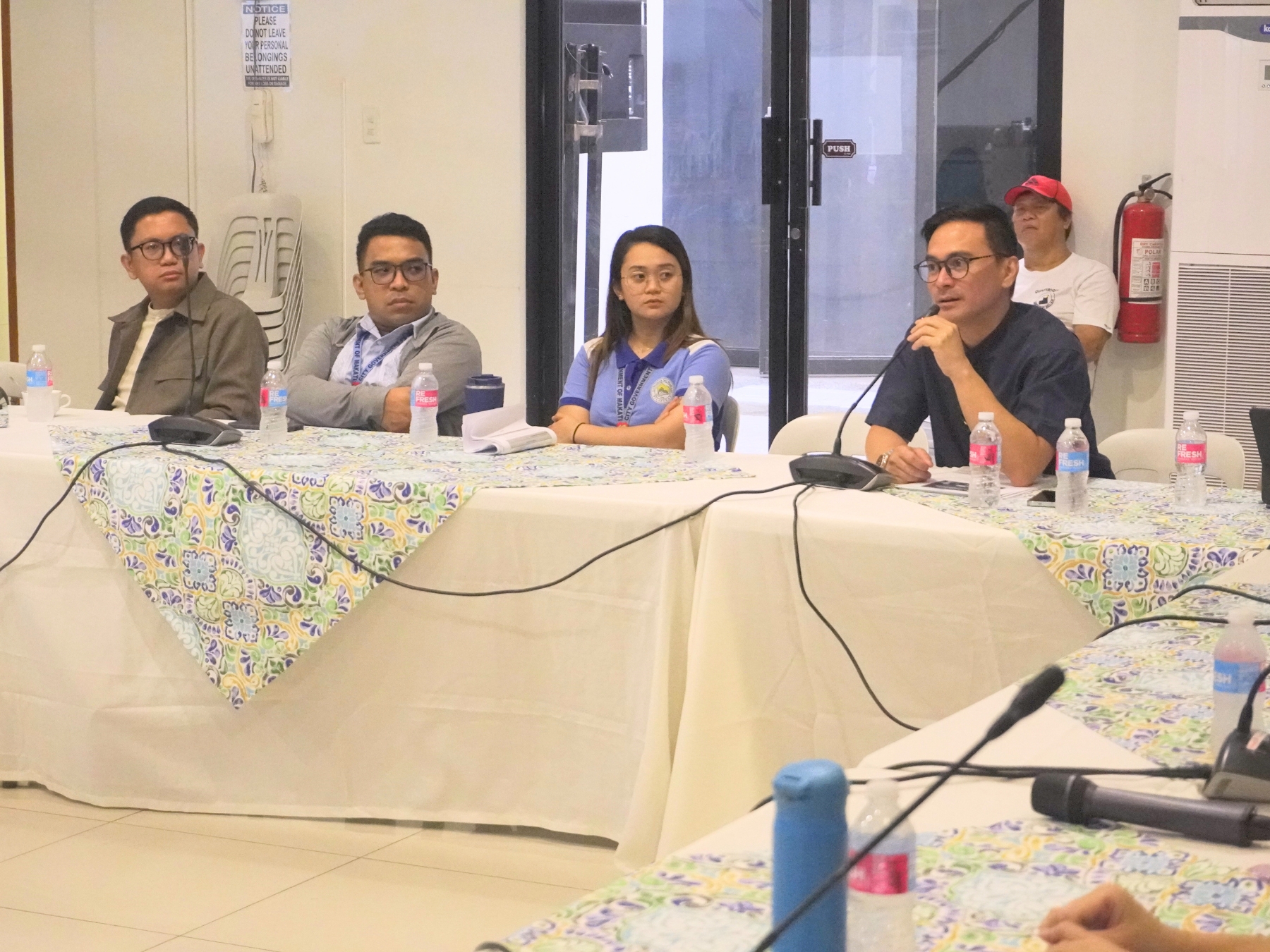
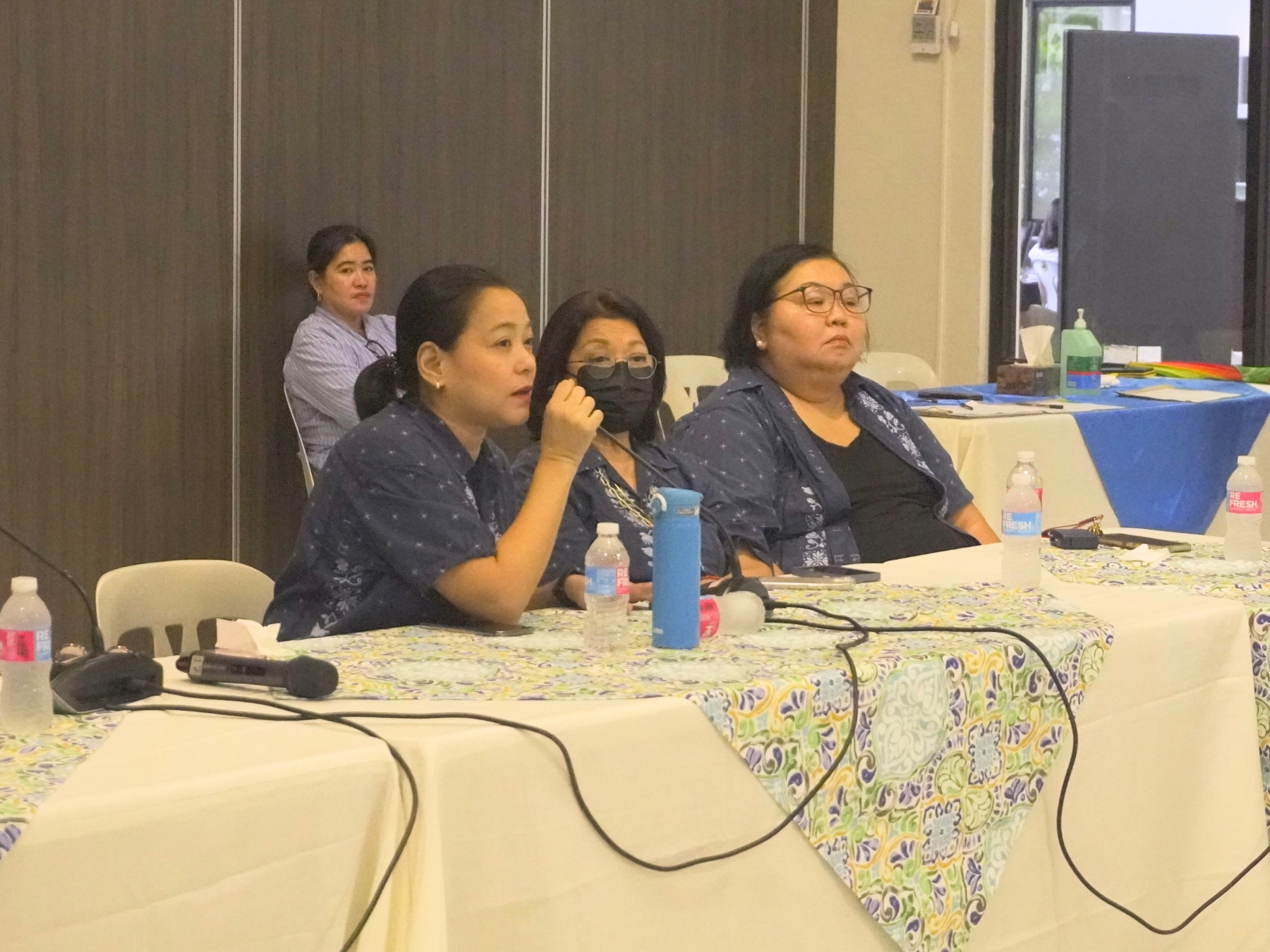
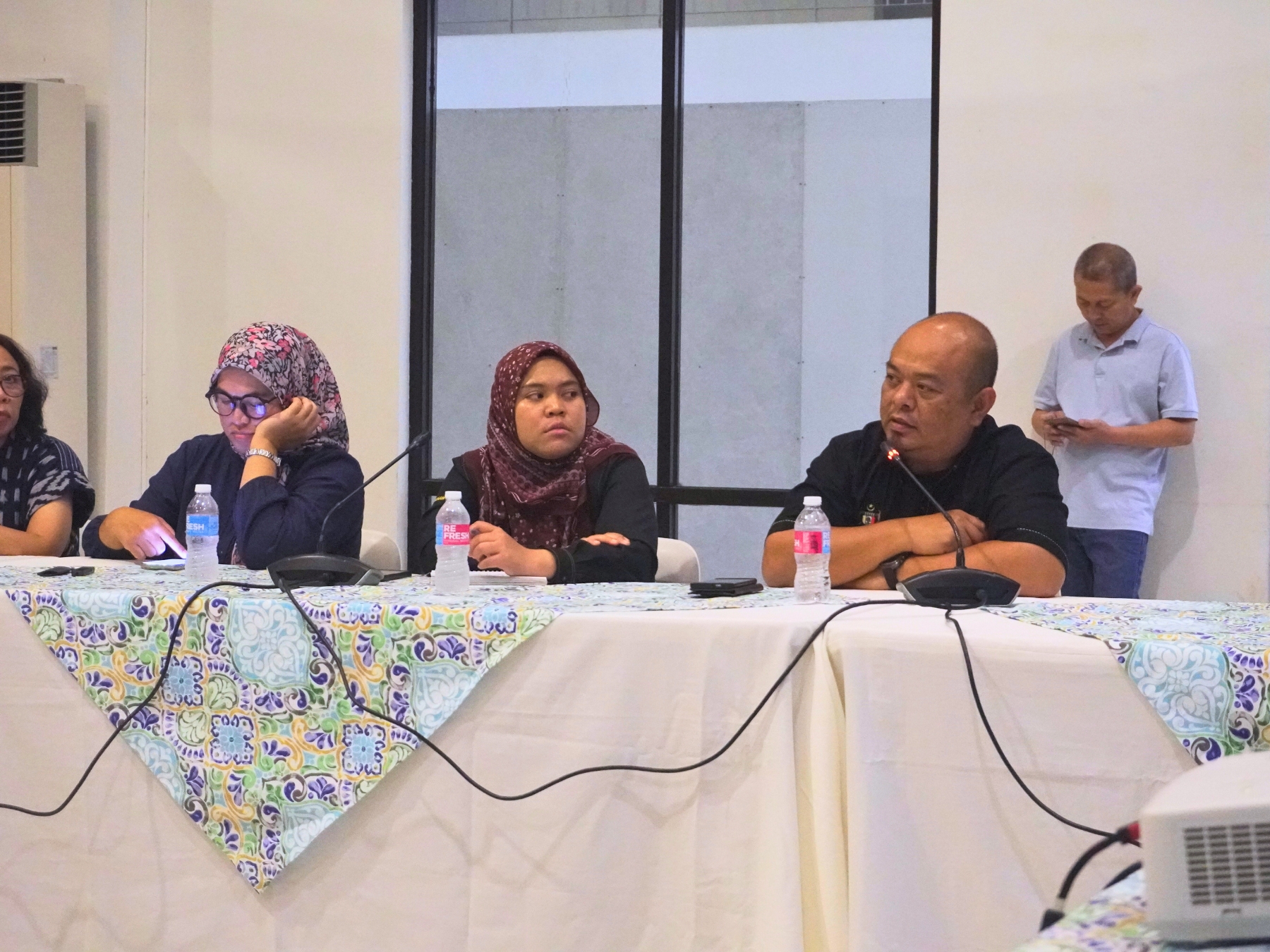
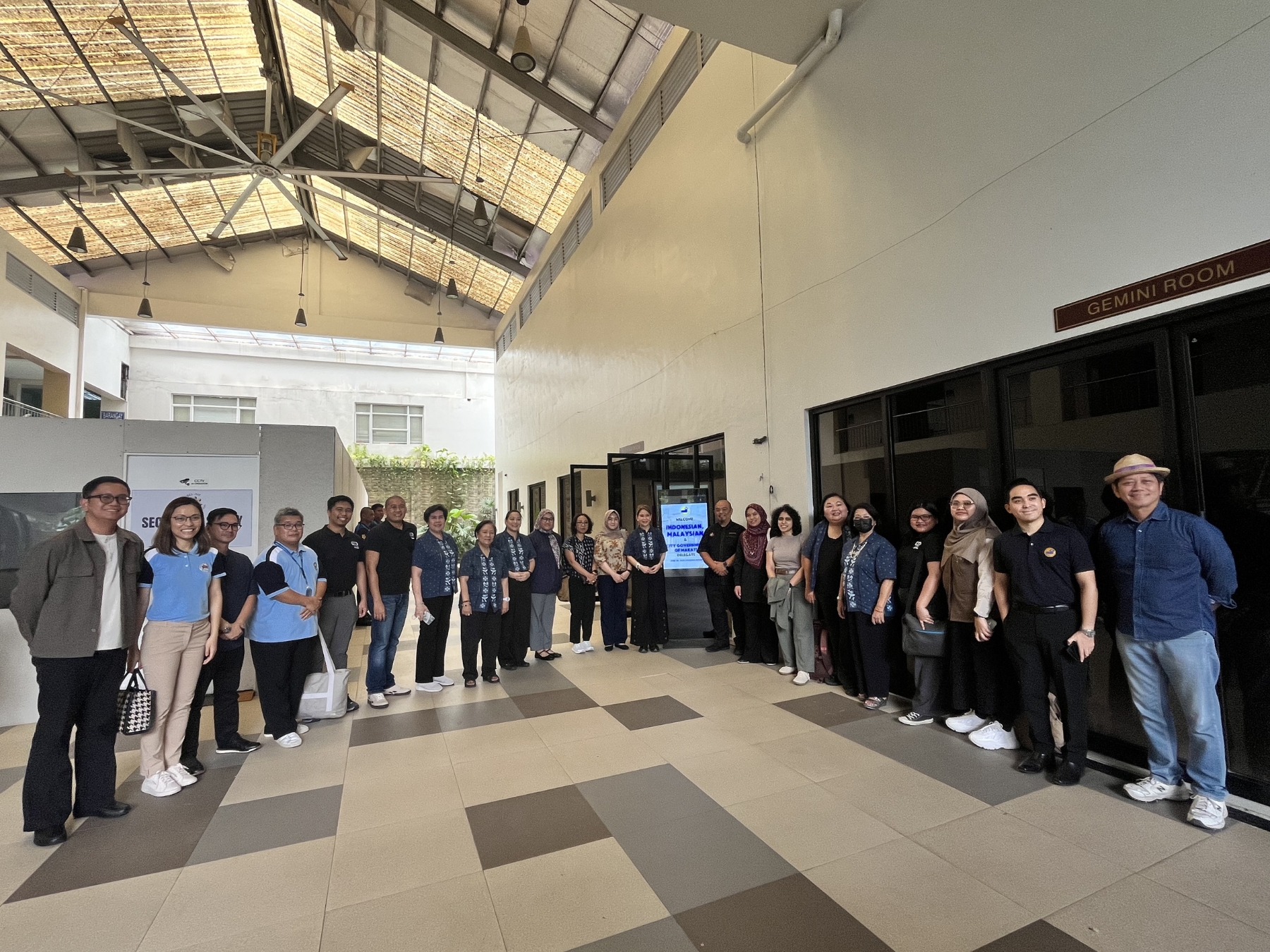
The discussions demonstrated that while each city faces different local conditions, many share similar barriers and opportunities in advancing clean energy projects.
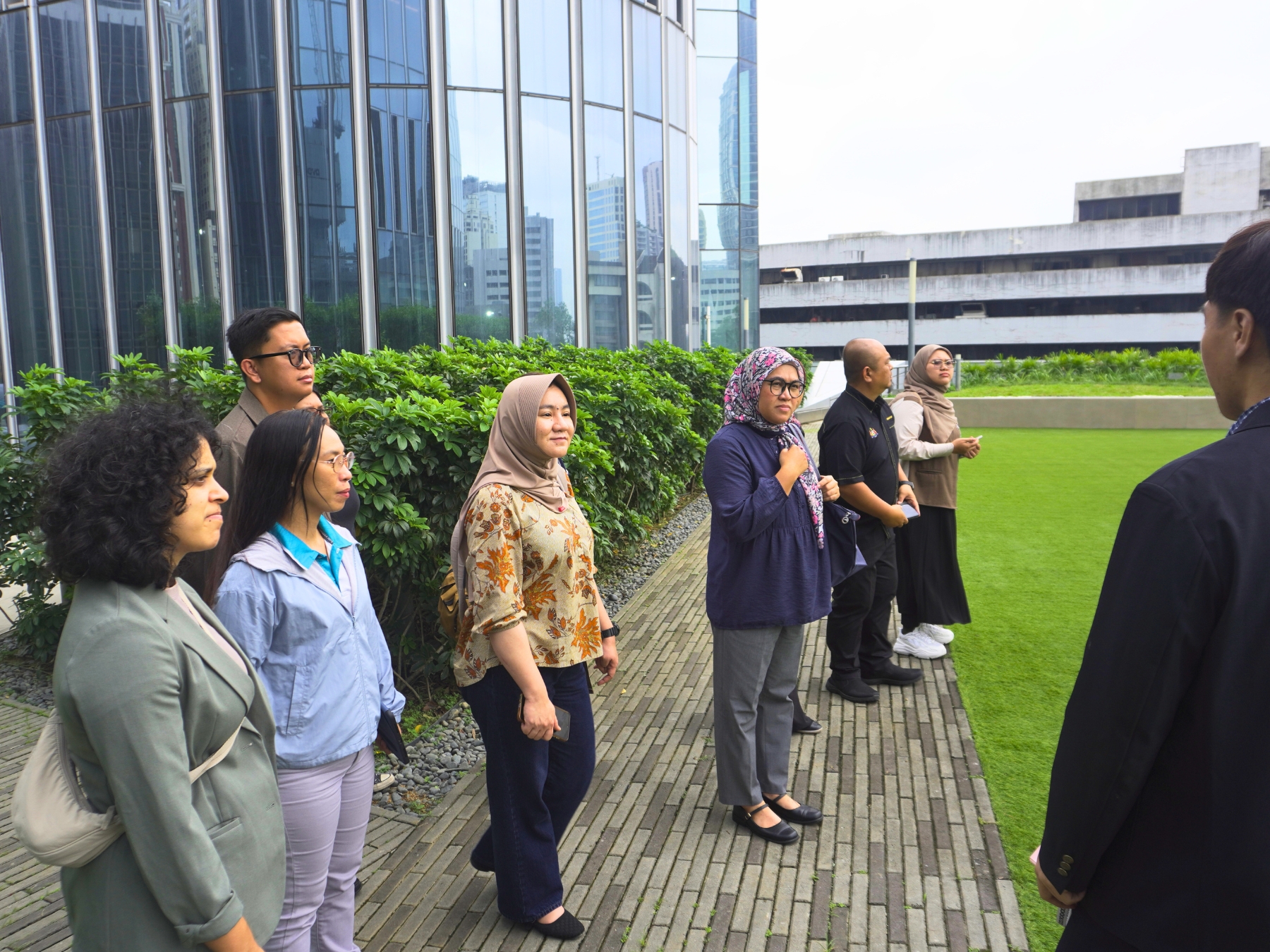
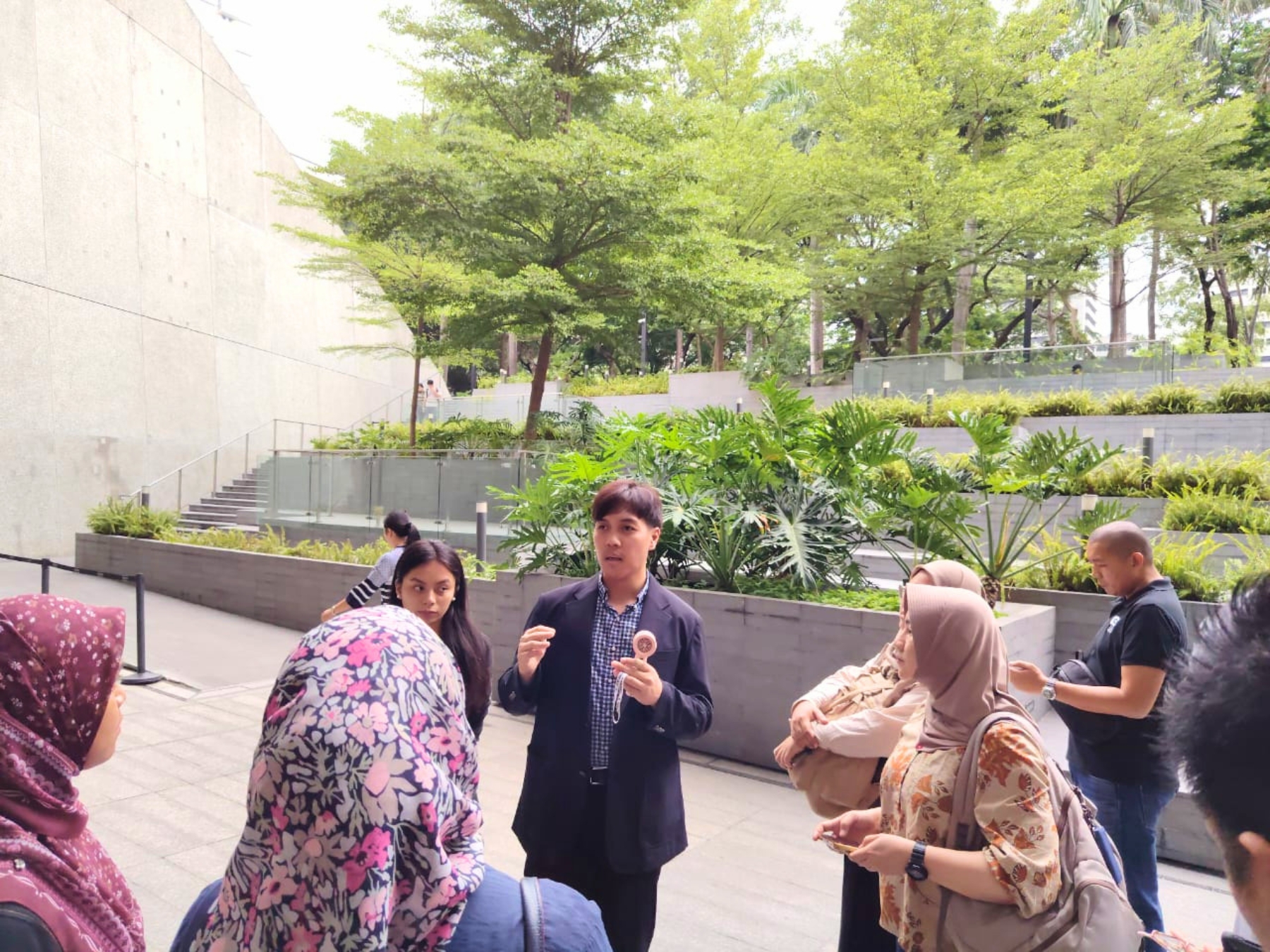
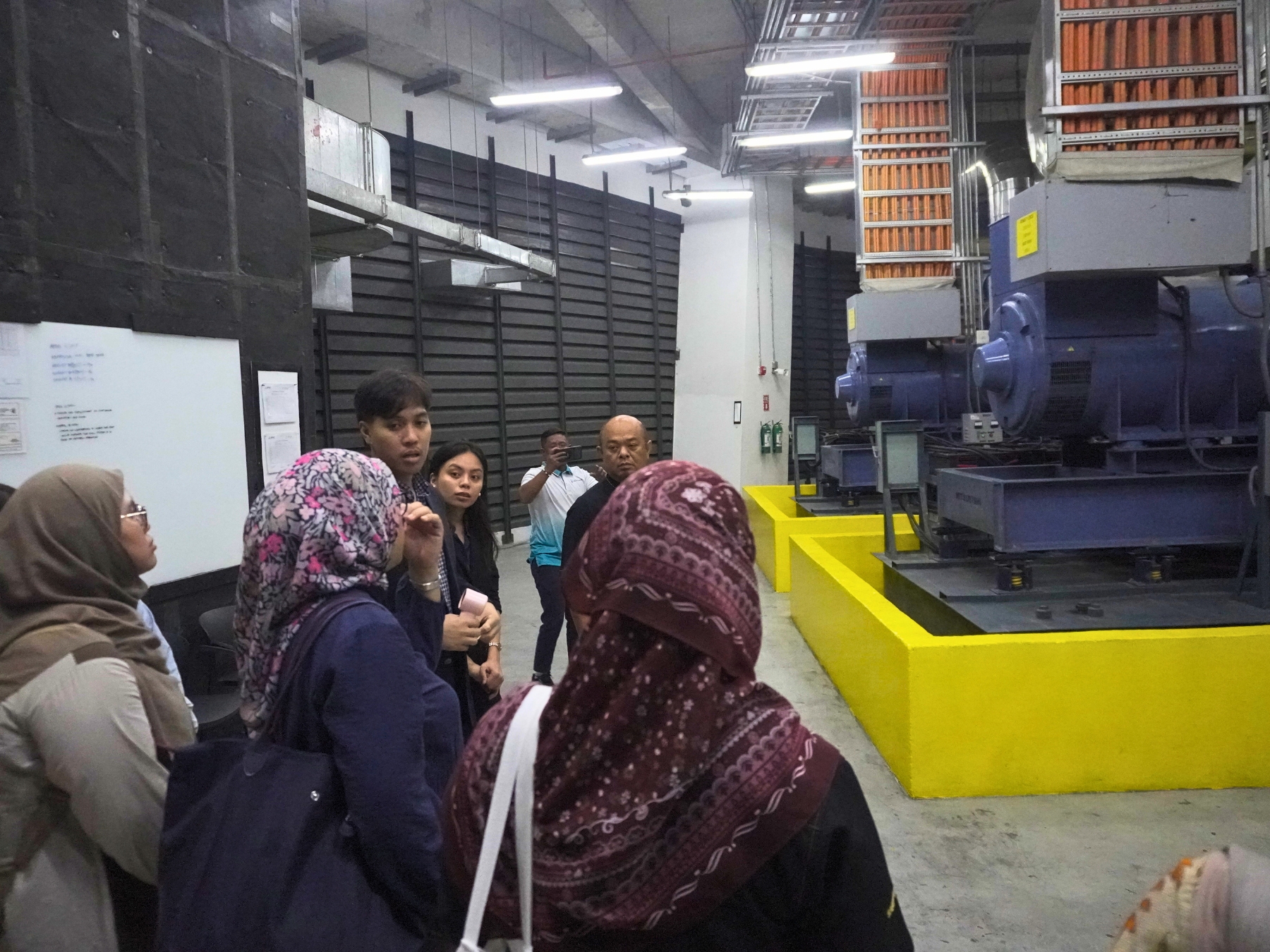
Beyond the technical sessions, delegates participated in facilitated peer discussions and benchmarking visits to the Barangay Bel-Air Village Hall and the privately run Ayala Garden Tower. The visits showcased practical examples of integrated sustainability initiatives, including rooftop solar systems, waste management, urban farming, energy-efficient building operations, smart technologies, and community-based climate resilience programs. These real-world examples demonstrated how policy, technology, and community engagement can work together to support low-carbon urban development.
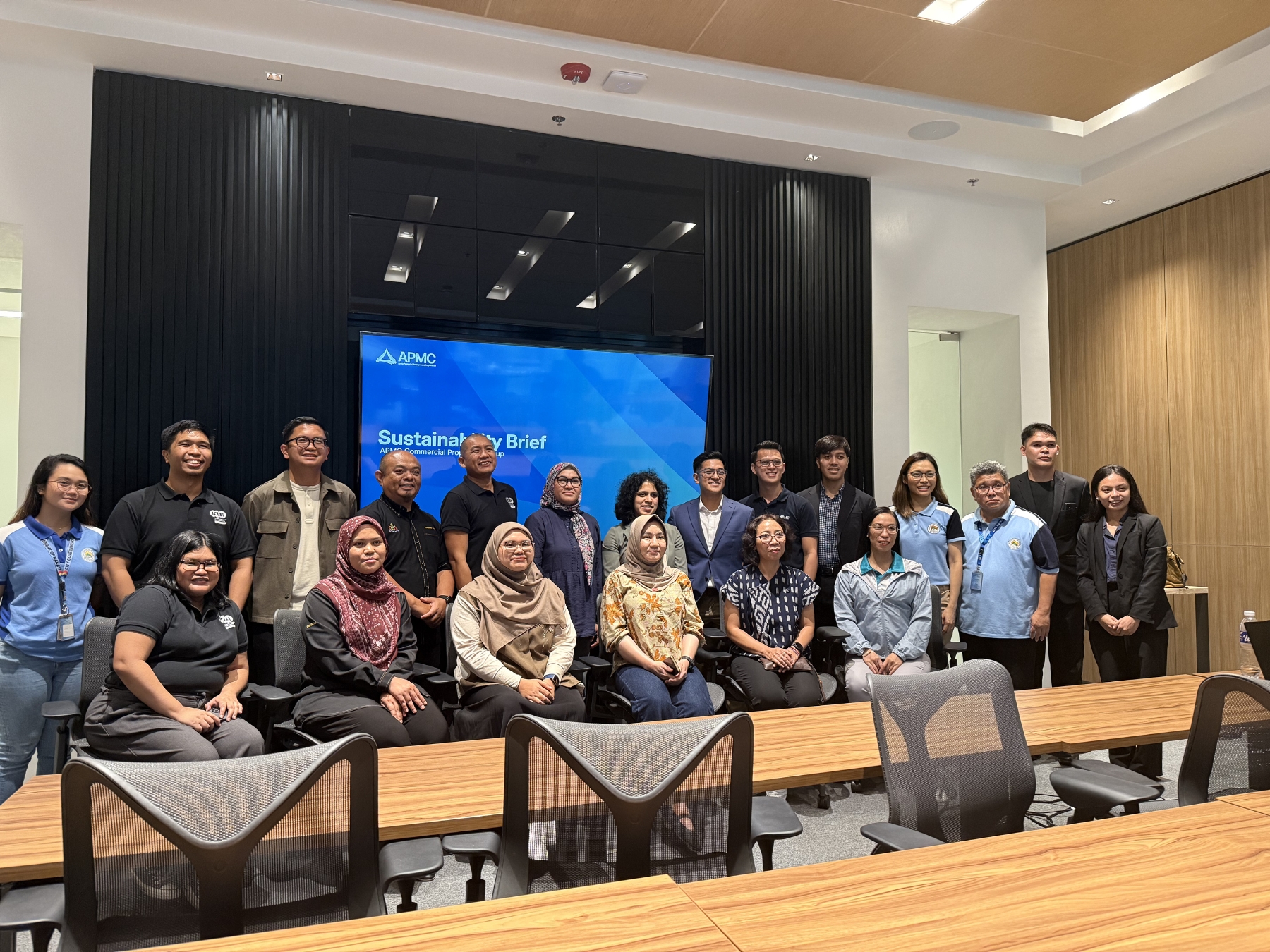 Participants also toured the Ayala Garden Tower 2, a mixed-use building featuring various renewable energy and energy efficiency technologies and designs.
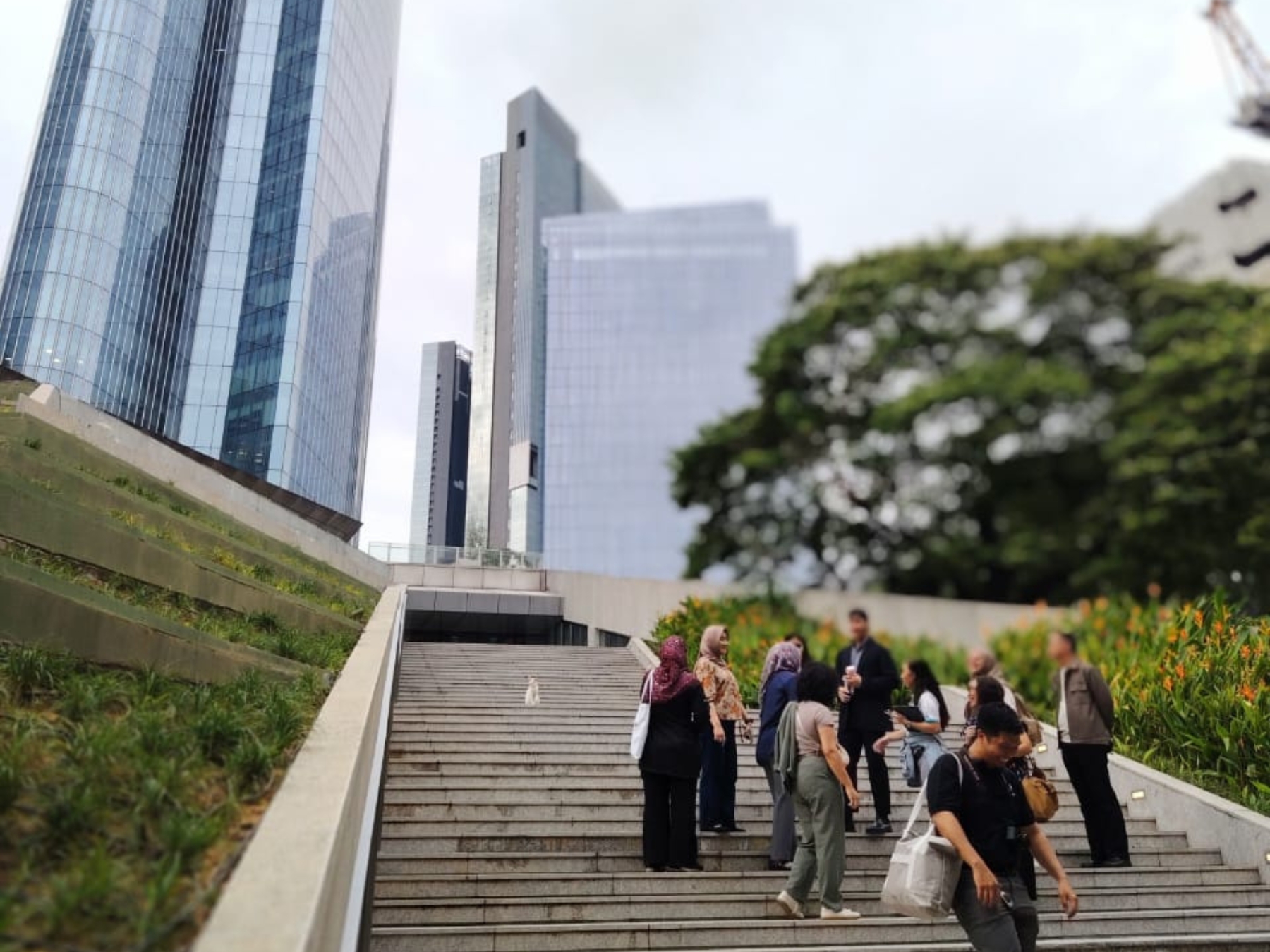
The event concluded with a shared commitment among participating cities to strengthen regional collaboration, continue knowledge exchange, and translate lessons learned into concrete local actions.
Through ongoing technical cooperation and partnerships, the RENEW-SEA project aims to support cities in developing investable projects, building institutional capacity, and accelerating the transition toward renewable energy and Positive Energy Buildings across the region.