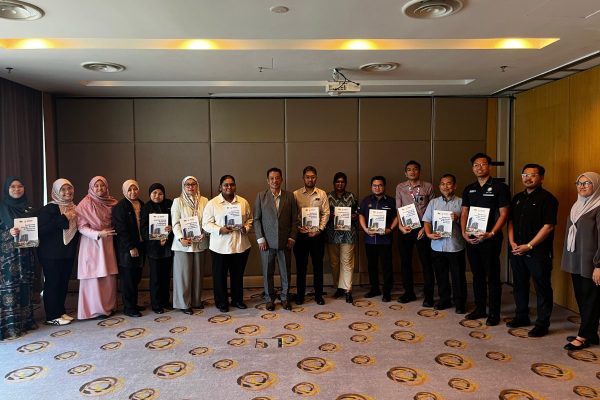
Malaysia’s local governments are on the brink of a transformative leap, from energy efficiency and renewable energy applications to Positive Energy Buildings (PEBs) that generate more energy than they consume. Backed by strong national policies, the question is no longer if Malaysian local governments can achieve this shift but how fast it can turn this ambition into reality.
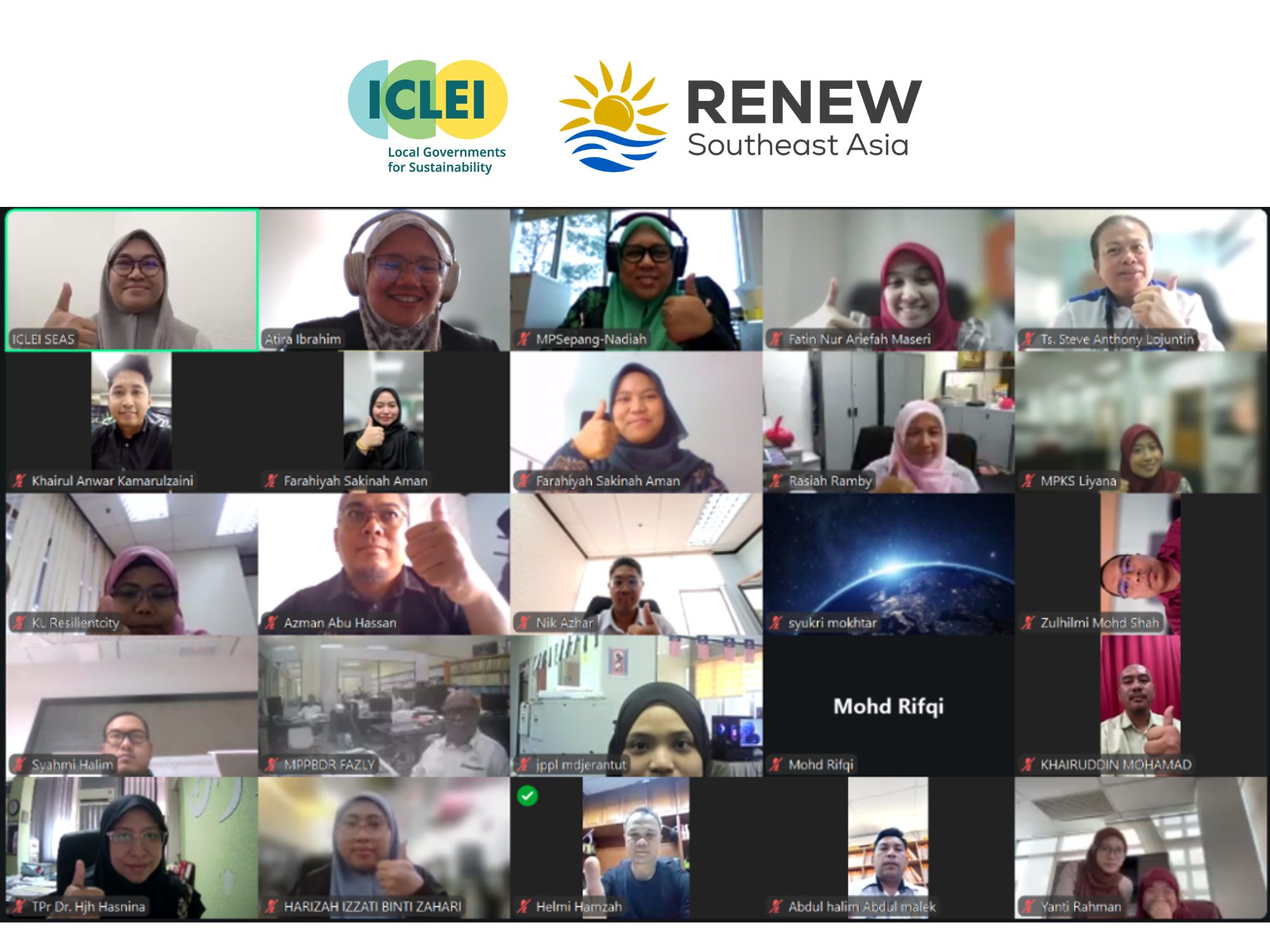
Conducted under the RENEW-SEA project, the online peer-exchange session on 31 March 2026 brought together 85 participants representing 23 local governments and others from government agencies, universities and private sectors. The strong turnout reflected growing interest among local authorities in advancing energy efficiency and low-carbon building practices, particularly in support of broader urban climate action efforts.

Opening remarks were made by Mr. Nik Muhammad Ihsan bin Azhar, Head of Green Development Unit of Melaka Green Technology Corporation.
The session featured two distinguished speakers: Ts. Nor Lisma Abdul Rahim, Senior Assistant Director from the Building Control Department of Petaling Jaya City Council (MBPJ), and Ts. Steve Anthony Lojuntin, Director of Technical Development & Facilitation, Sustainable Energy Development Authority (SEDA) Malaysia. Both speakers shared practical insights and technical approaches from implementing positive energy building initiatives at the local government level.
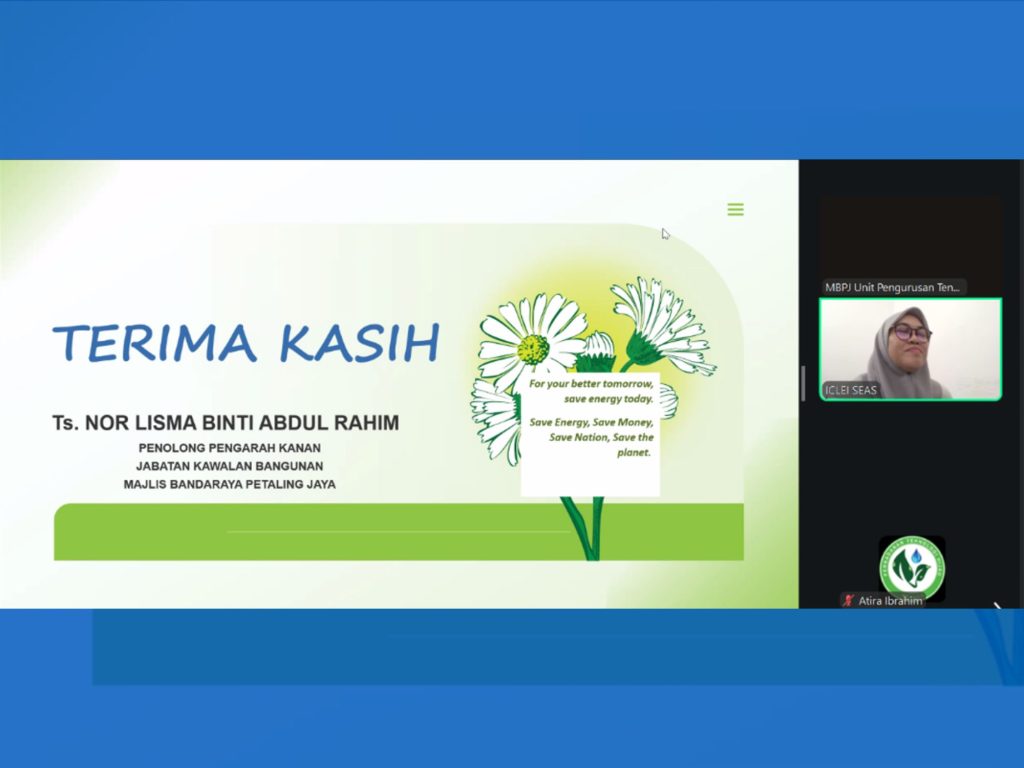
A key highlight of the session was MBPJ’s more than 10-year journey in implementing energy management initiatives aligned with the Petaling Jaya Climate Action Plan 2030. This sustained commitment has produced measurable outcomes and significant recognition. The MBPJ Astaka Building received both the National Energy Award and the ASEAN Energy Award in 2022 under the Energy Efficient Building (Zero Energy Building) category. This achievement was further reinforced when the MBPJ Community Library building received similar recognition in 2025, demonstrating consistency in performance and local government dedication toward positive energy building.
From a technical perspective, MBPJ reported that 11 of its buildings have undergone detailed energy audits and 16 MBPJ buildings have been equipped with an Online Monitoring System, enabling real-time tracking of energy consumption and supporting data-driven decision-making. These initiatives reflect a structured and systematic approach that integrates both assessment and continuous performance monitoring to optimize building energy use.
Another important outcome shared during the session was the development of the MS1525 Checklist and Guideline, which serves as a Low Carbon Building Assessment tool for building developments within Petaling Jaya. This guideline supports MBPJ in embedding energy efficiency requirements into planning and approval processes, thereby promoting standardized adoption of low-carbon practices across new developments.
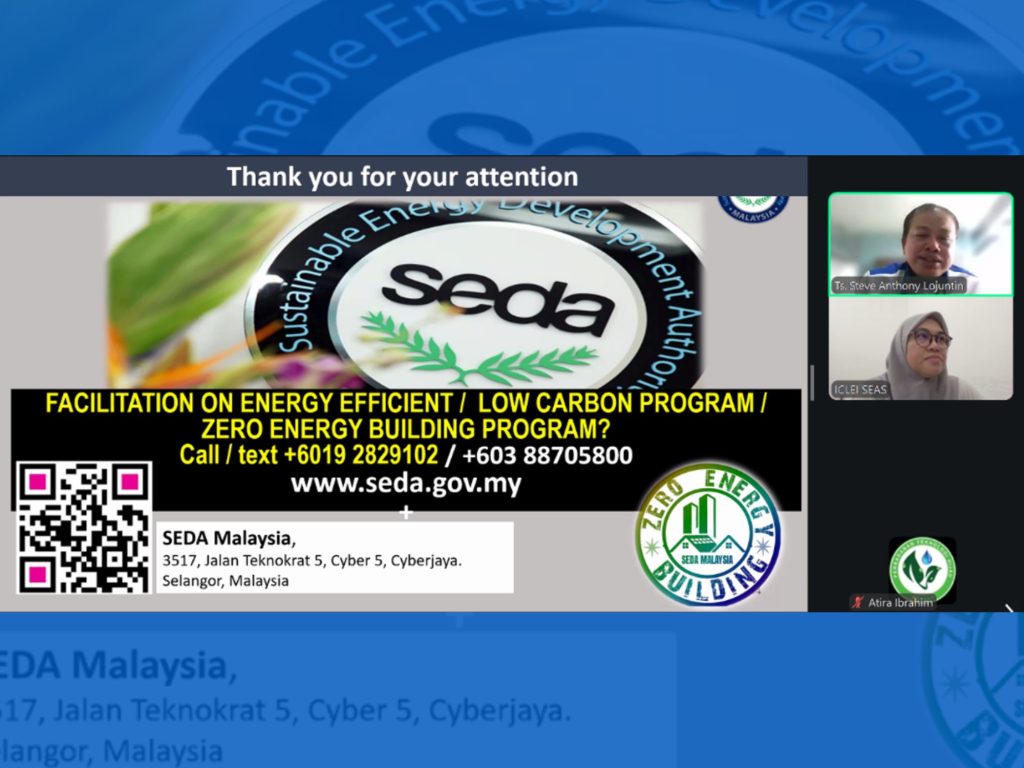
Additionally, SEDA Malaysia provided an overview of the structure of energy efficiency (EE) elements in buildings and outlined key national initiatives. To further support implementation of positive energy building, several tools and frameworks were introduced. These include the Sustainable Energy Low Carbon Building Assessment (GreenPASS), a voluntary green performance assessment system that measures building achievement based on the percentage of energy reduction. In parallel, the Building Energy Data Online System (BEDOS) was presented as a platform to publish building electricity consumption data, provide historical energy usage information, and support analysis for energy reporting and benchmarking.
SEDA also emphasized the critical role of energy audits in identifying potential energy-saving opportunities through quantitative analysis and life cycle cost evaluation. By understanding building performance in detail, local governments can prioritize investments that deliver both energy and cost savings over time. Participants were also informed about the Energy Audit Conditional Grant (EACG), an energy efficiency programme under the 13th Malaysia Plan (2026–2030). This initiative targets commercial buildings and industrial sectors with electricity consumption of 100,000 kWh or more per month. A key condition of the grant is that applicants must appoint a registered local Energy Service Company (ESCO) to conduct the energy audit.
The experiences shared by MBPJ and SEDA Malaysia provided practical, replicable approaches for other local governments seeking to accelerate their transition toward positive energy building.
As highlighted by the speakers, consistent monitoring, strong governance, and the adoption of structured tools and guidelines are essential to ensure that energy-saving measures deliver long-term impact.
Overall, the session underscored the importance of sustained local governments commitment, technical capacity, and policy integration in advancing energy efficiency and renewable energy in positive energy building.
The RENEW-Southeast Asia project is currently in its second year of implementation, working to strengthen policy momentum, technical capacity, and advocacy opportunities for subnational governments in Indonesia and Malaysia. This implementation year will see RENEW-SEA placing a strong focus on the concept of positive energy buildings to empower local and regional governments in Indonesia and Malaysia to act with the resources at their disposal to drive the sustainable energy transition in their territories.
This article was written by Norazean Mohd Nor, ICLEI Southeast Asia Senior Project Officer