The demand for sustainable mobility has never been more resonant, particularly in cities like Manila where 94% of the population continues to rely on walking, cycling, and public transport. Despite the overwhelming majority of Filipino commuters, 34-45% of Metro Manila remains inaccessible by public transportation, while only 1% of road spending was found to be allocated to such modes. These disparities set in motion the need to develop more inclusive and participatory urban planning where diverse forms of mobility and collective placemaking can thrive. However, concerted efforts to establish sustainable mobility systems and more accessible community spaces continue to face a myriad of challenges.
When the Sparking Active Mobility Actions for Climate-friendly Cities (SPARK) Project was implemented in the Philippines from 2023 to 2025, it advocated the idea that sustainable mobility begins with inclusive, participatory planning.
ICLEI Southeast Asia (SEA) and the Institute for Climate and Sustainable Cities (ICSC) worked with the Philippine local governments of Pasig City and Quezon City for the SPARK Project, which turned A. Mabini Street in Pasig and Maginhawa Street in Quezon City into safer spaces for pedestrians and cyclists with its tactical urbanism interventions. Despite the interventions only lasting three months due to their experimental and temporary nature, they were able to generate insights for the cities on how urban spaces can be designed—not for cars or traffic alone, but for the people who bring such spaces to life.
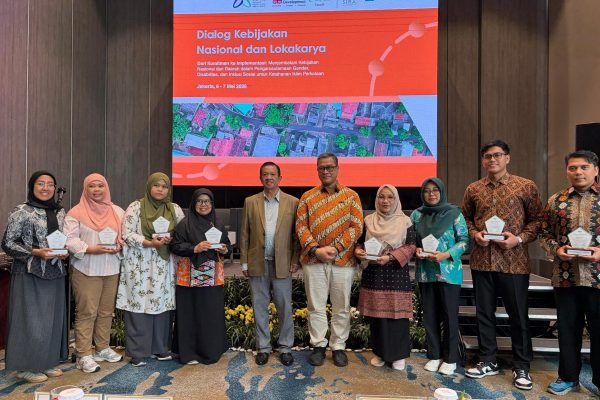
ICLEI SEA revisited these insights for the Safe and Sound Cities (S²Cities) Programme Learning Exchange, wherein local government offices and civil society partners involved in the SPARK Project were invited to share their experiences on participatory planning for active mobility.
People-centered envisioning
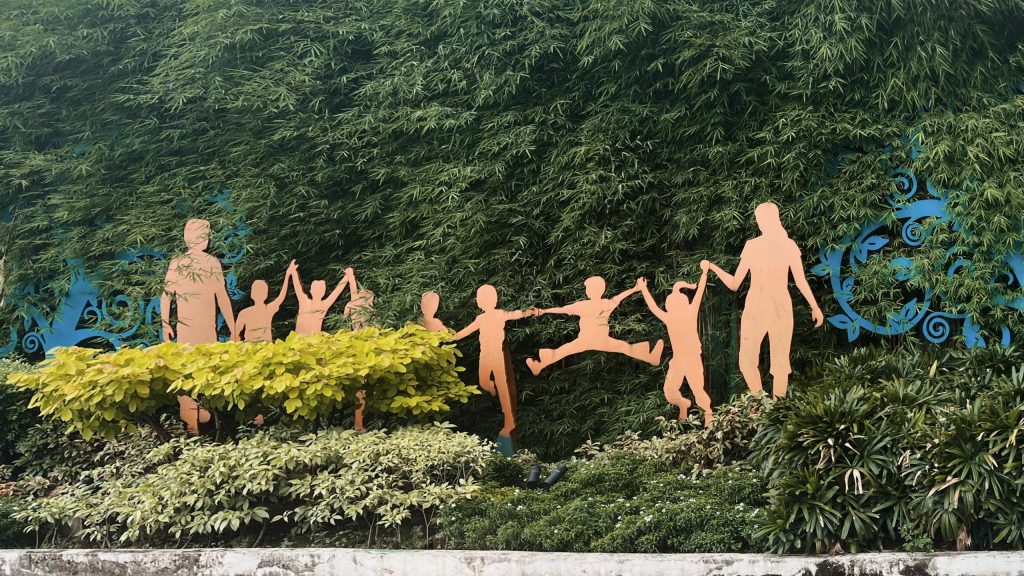
Central to the success of any participatory mobility planning is thinking for and with the communities. In Quezon City, what used to be junk-filled alleys were transformed into pedestrian corridors connecting Maginhawa to adjacent neighborhoods, creating shortcuts for efficient and safe passage. In Alley 44 and 100, colorful murals along their walls were even painted by the residents, in keeping with the district’s reputation as the food and arts hub of the city.
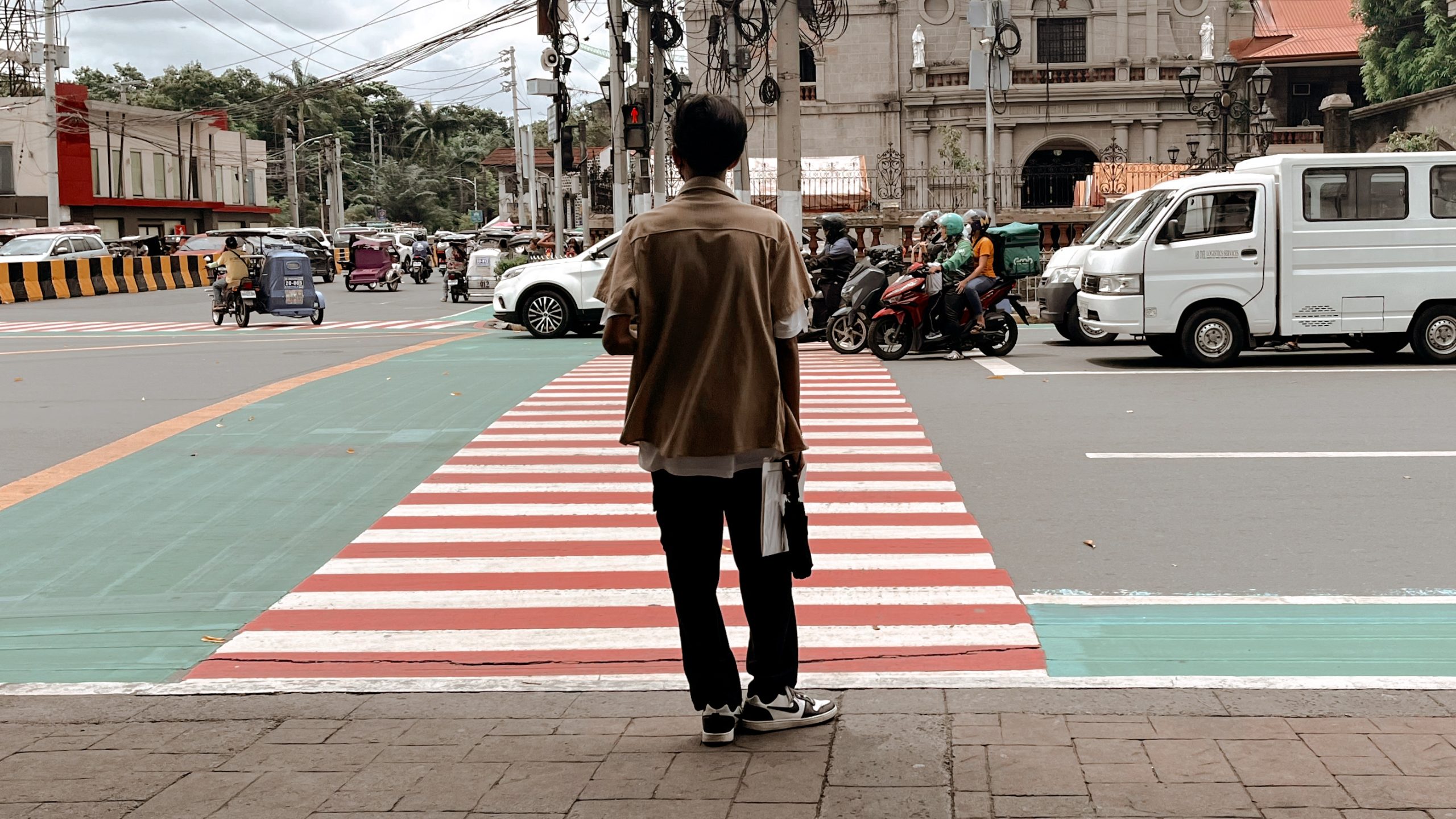
Communities reclaiming underutilized spaces using art like murals or street paintings to make them more inviting, accessible, and useful to their needs is a form of tactical urbanism. Tactical urbanism is the approach leveraged by the SPARK Project to engage communities, allowing them to take the lead in imagining better streets. It is about implementing community-led, short-term, low-cost interventions before investing in permanent infrastructure, allowing stakeholders to monitor eventual changes in traffic flow and user behavior for long-term evidence-based planning. At the heart of the project was ensuring that pedestrians, especially mobility-limited individuals like persons with disabilities (PWDs) and senior citizens, have a stake in shifting to active mobility.
Systems-wise, Landscape Architect Irene Morales from the Quezon City Parks Development and Administration Department emphasized the importance of social preparation prior to the implementation of infrastructural developments. Conducting stakeholder consultations is key to sustainable urban planning because it is through the people’s involvement that champions will emerge to advocate for the continuation and stewardship of local projects. The same bottom-up approach was emphasized by Environmental Planner Allan de Vera from the Quezon City Planning and Development Office in the integration of informal workers, vendors, and dwellers as crucial assets of urban transformation, citing institutional pathways to help them realize their right to the city.
This approach of mobilizing active community participation, as applied by the SPARK Project, aims to foster a strong sense of shared ownership that keeps the stretch of Maginhawa and nearby streets as vibrant as ever.
Similarly, Pasig City has integrated participatory approaches into its mobility master plans that enjoin citizens and civil society groups throughout the process. Engineer Jhon Cabanes from the Pasig City Transport Development and Management Office stressed the significance of communities’ presence as early as the pre-planning stage to ensure fair representation and co-creation. The SPARK Project was able to support the city in finding ways to embed gender equality, disability, and social inclusion (GEDSI) as a basic standard for designing public spaces. For example, some areas in the city with barriers and bollards are undergoing renovation to ensure that pedestrians of different mobility levels and needs can use the spaces without obstruction, and to make the areas more welcoming.
Altogether, SPARK proved that people do not necessarily demand high-tech or fancy upgrades when it comes to modern infrastructure. At the very least, they simply ask for inclusive and accessible solutions.
Roadblocks to mobilization
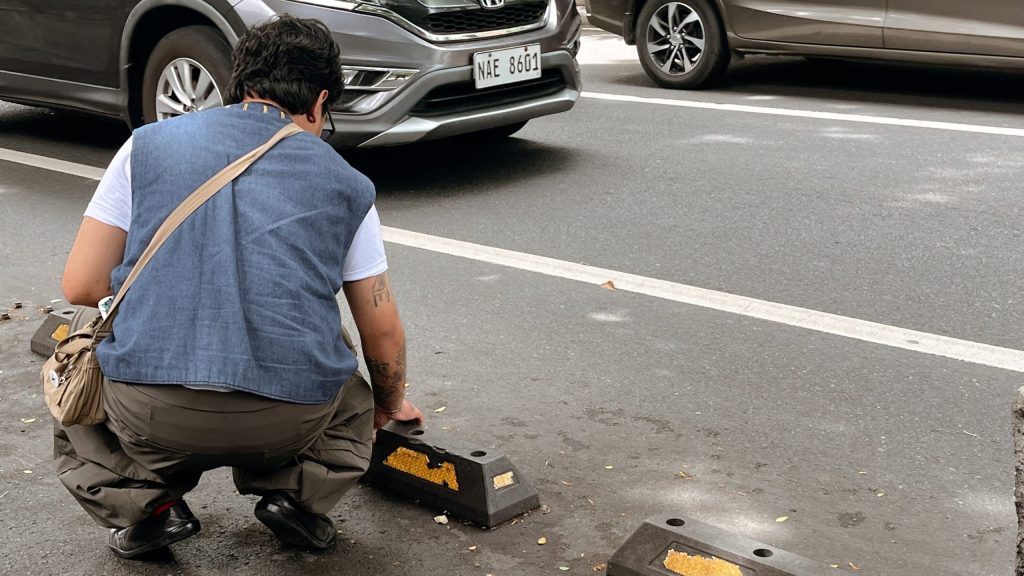
The project’s journey in implementing tactical urbanism interventions to promote active mobility was not smooth-sailing. It was met with varying degrees of resistance from homeowners, businesses, and even government agencies; a reminder of how trust is not something developed overnight. The task of mobilizing different stakeholders required a complex navigation of the inner workings of private life, local economy, and bureaucracy.
In the beginning, one of SPARK’s early challenges was getting people to show up. Even with open invitations for stakeholder consultations, encouraging active participation from community members became a challenge, which is expected when introducing new concepts like tactical urbanism. During sensitivity assessments, a recurring sentiment surfaced among residents: “Maganda ‘yang experimental project, pero bakit kami?” (This experimental project is nice, but why us?). In Quezon City, security was one of the communities’ major concerns, with residents fearing that more crowded roads and alleys would invite encroachment and unpredictability in their neighborhood. The same goes for business owners along Maginhawa who were worried that car-less streets meant fewer customers, expressing how their patrons arrive by four-wheelers. Without reliable public transport connected to and within the area, full pedestrianization felt like a risk only a few were willing to take, and as a result, people tend to prefer using private, motorized vehicles.
Bureaucracy compounded the friction. The Philippine Department of Public Works and Highways’ standards are still mainly oriented toward road widening and hard infrastructure, and this proved to be a challenge for the project. Coordinating with national agencies that are tied to their own mandates was more difficult than mobilizing local governments and grassroots organizations.
These challenges point to a brutal fact: Existing policies and systems are not updated to the sustainable urban development needed in this era of climate emergency. Institutions can no longer address the demand for sustainability in isolation. Through SPARK and other bottom-up projects, local governments are affirming that a whole-of-society approach must take place in the shift to more sustainable systems, especially when it comes to transport and mobility.
Moving beyond compliance
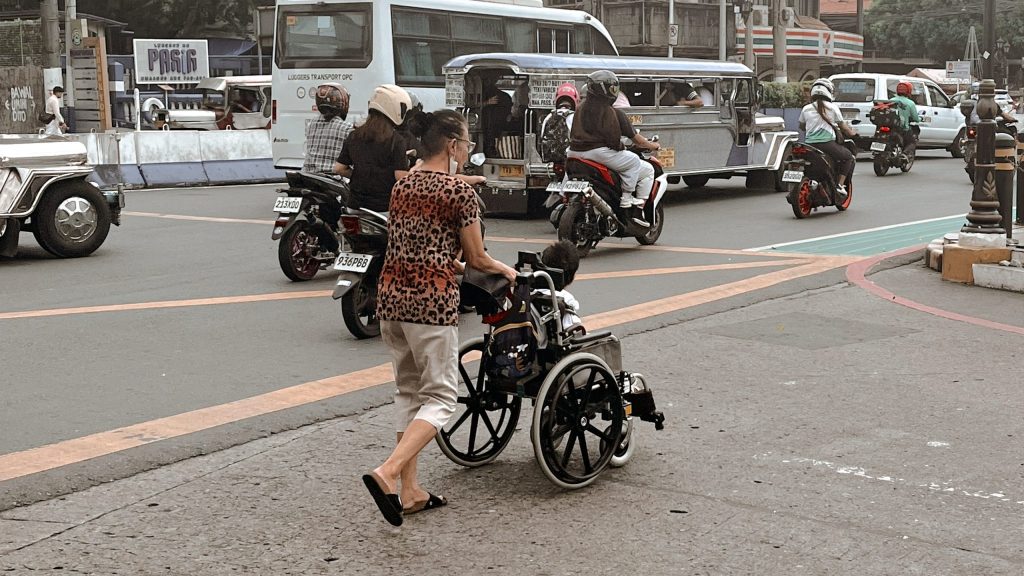
The lessons from SPARK continue to inform how future tactical urbanism initiatives can be designed and implemented. Precisely because tactical urbanism is intended to be temporary yet scalable, its success depends on continuous, data-driven monitoring and evaluation to generate evidence for refining or expanding interventions. Institutionalization of supportive policies and sustained collaboration with advocacy groups are also crucial for projects aimed at increasing active community participation in local governance and urban planning. Equally important was identifying and empowering champions or allies within both government and local communities who could sustain momentum beyond the pilot phase. The right mix of empathy and persuasion can help find balance and common ground between differing stakeholder concerns and viewpoints. After all, the concerns of homeowners anxious about security, vendors worried about displacement, and shop owners fearful of declining income are serious concerns of people with legitimate stakes in how their experiences of placemaking would change. Convincing communities to support an initiative can be slow, uneven work, but it is inseparable from one that is anchored on participatory planning.
Ultimately, SPARK’s impact lies not only in the physical interventions it introduced, but in the communities and organizations it engaged and empowered to carry on the project’s advocacies. SPARK’s momentum was accelerated by mobility advocates such as Alyssa Belda of Make It Safer Movement (MISMO), whose experiences underscored the youth’s vital role in shaping climate-resilient mobility. Community partnerships from the project showed how sustainable urban transformation requires shared responsibility across generations, sectors, and communities.
At the same time, SPARK challenged car-centrism in urban environments by advocating for more inclusive, accessible, people-centric public spaces in cities. Annie Canoy from the PWD organization Abot-Kamay ng mga may Kapansanan Ang Pag-unlad ng Pasigueño (AKKAPP Pasig Federation) expressed, “Include us not because we are begging, but because we are also people.” Her words capture the project’s essence: meaningful inclusive participatory planning goes beyond compliance and tokenistic representation, repositioning social inclusion as the fundamental starting point for designing equitable and accessible public spaces.
While the SPARK Project has already been officially sunset in the select pilot sites, its legacy continues to shed light on the ever-pressing challenges and aspirations for sustainable mobility. Beyond the painted streets and busy sidewalks of Pasig and Quezon City, new ways of innovation and partnership are emerging on the horizon to yet again spark change.
Story and photos by Maui Eden, ICLEI Southeast Asia Intern; Edited by Jameela Antoniette Mendoza, ICLEI Southeast Asia Communications Officer