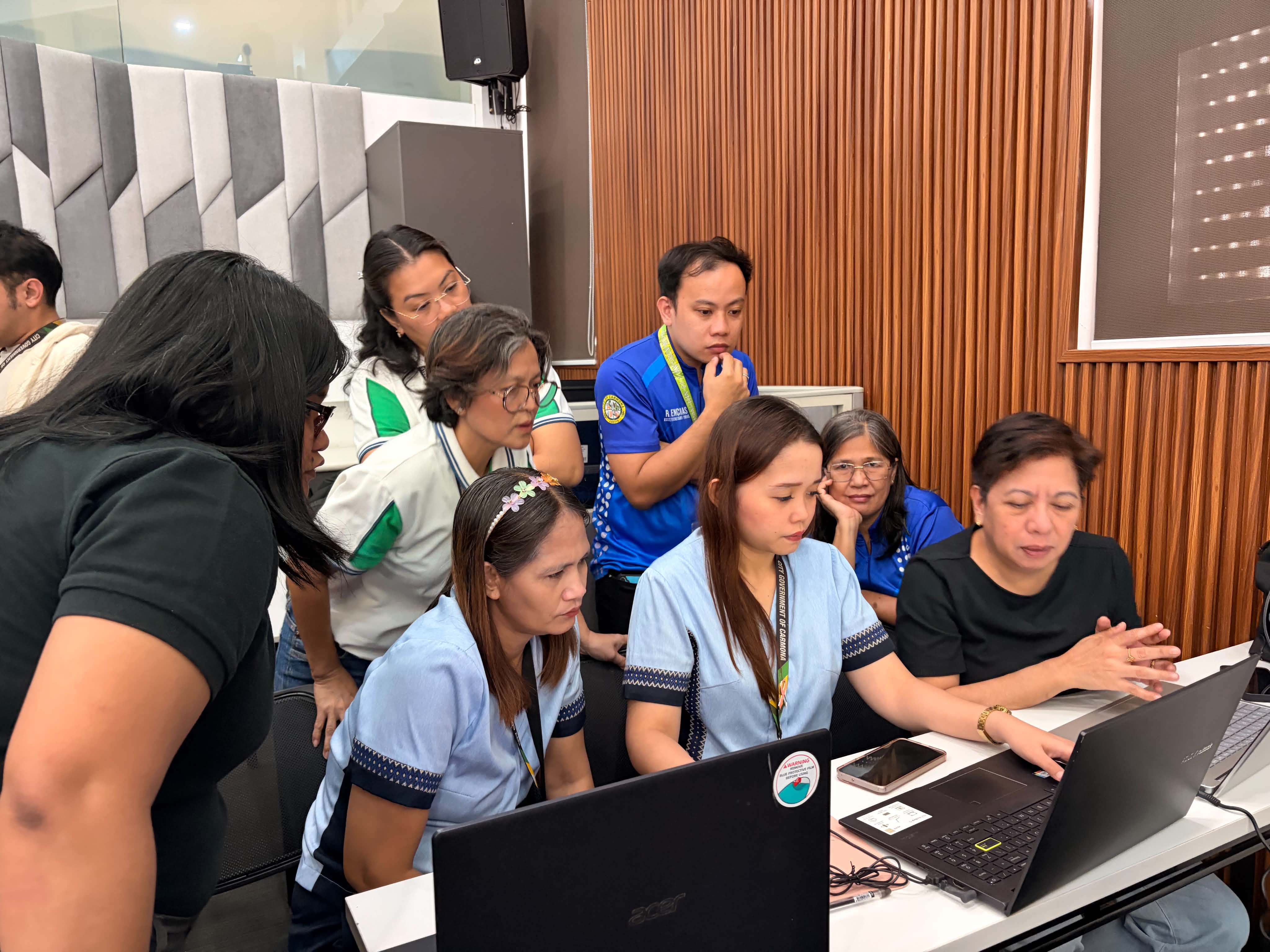
LGU personnel of Carmona City participate in hands-on exercises in the capacity-building workshop on community-level greenhouse gas (GHG) inventory last September 1, 2026, as part of the continuing support and assistance to participating cities of the WWF One Planet Cities Challenge 2025-2026 cycle.
ICLEI Southeast Asia (SEA) and World Wide Fund for Nature Philippines (WWF-Philippines) trained over 60 local government staff in the cities of Carmona and Tayabas on community-level greenhouse gas (GHG) inventory development as part of the One Planet Cities Challenge’s (OPCC) 2025-2026 cycle.
As WWF-Philippines’ technical implementation partner for OPCC, ICLEI SEA has conducted in-depth training workshops for participating OPCC cities. In the challenge’s 2025-2026 cycle, workshops in 11 cities across the Philippines have been conducted since July 2025.
The capacity-building workshops were held on September 1 and 3, 2026 in Carmona City and Tayabas City, respectively. The workshops aimed to deepen the understanding, knowledge, and skills of the cities’ local government unit (LGU) technical staff in conducting community-level GHG emissions inventories through hands-on exercises using applicable standards and locally available tools and methodologies.
Pamela Cabacungan, ICLEI SEA Low Emission Development Strategies (LEDS) Manager, and Kristianne Jemi Santos, ICLEI SEA Senior Project Officer, facilitated workshops on the following topics: physical science basis of climate change; global and national climate policy landscape; overview of climate change mitigation as well as the GHG inventory process and tools; and hands-on exercises on emissions calculation and analysis using the Community-Level GHG Quantification Spreadsheet by the Climate Change Commission (CCC).
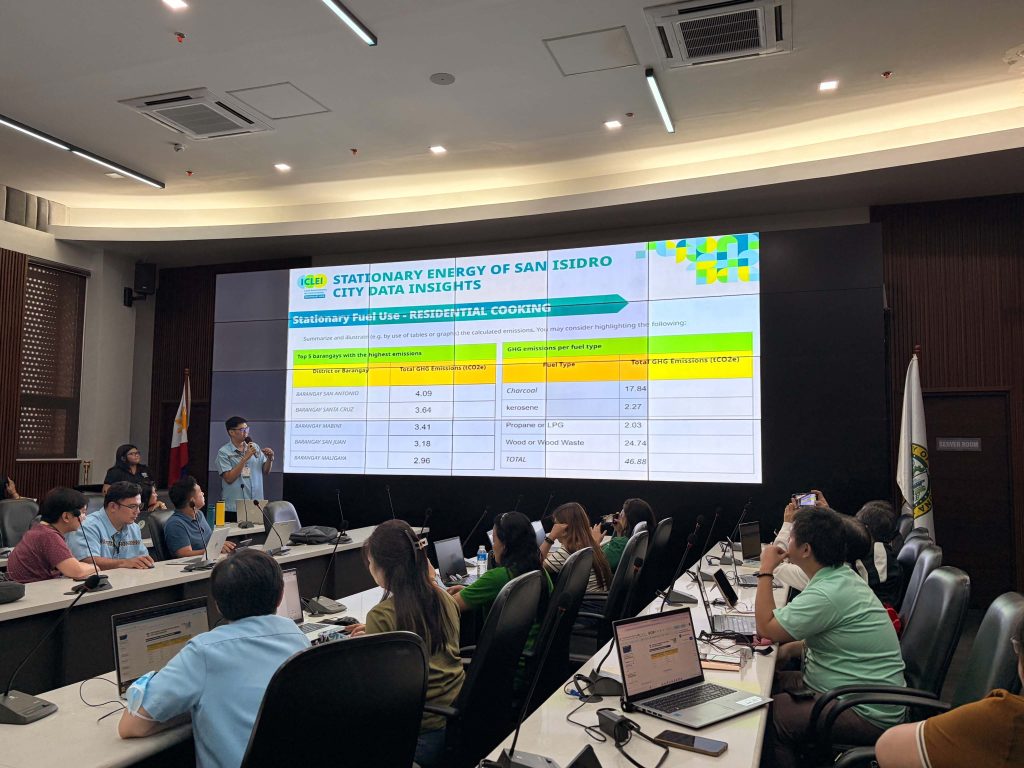
LGU personnel of Carmona City present their collected emissions data during the capacity-building workshop on community-level greenhouse gas (GHG) inventory last September 1, 2026, as part of the continuing support and assistance to participating cities of the WWF One Planet Cities Challenge 2025-2026 cycle.
Carmona
The City Environment and Natural Resources Office (CENRO) of Carmona spearheaded the workshop, attended by LGU personnel from other offices, namely the City Disaster Risk Reduction and Management Office (CDRRMO) and City Planning and Development Office (CPDO), as well as officials from select barangays (villages).
During the workshop, CENRO and CPDO staff measured the city’s baseline emissions for 2023, which enabled them to determine the city’s estimated emissions and the major source of emissions.
The Carmona CENRO acknowledged the workshop’s importance in improving, refining, and increasing the city’s capabilities in establishing and reporting its emissions profile.
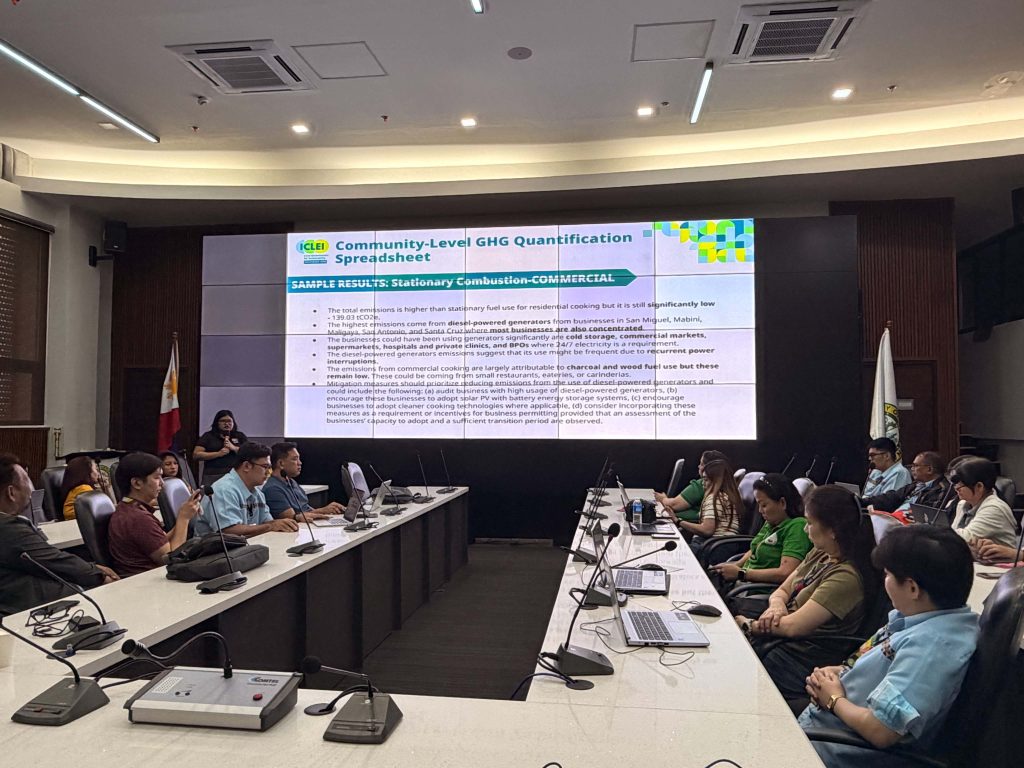
Pamela Cabacungan, ICLEI SEA Low Emission Development Strategies (LEDS) Manager, explains the Community-Level GHG Quantification Spreadsheet during the capacity-building workshop on community-level greenhouse gas (GHG) inventory for the Carmona City Government last September 1, 2026, which was part of the continuing support and assistance to participating cities of the WWF One Planet Cities Challenge 2025-2026 cycle.
Tayabas
The Tayabas CENRO led the workshop, attended by representatives from the CPDO, CDRRMO, Business Permit and Licensing Office (BPLO), Engineering Office, Architect’s Office, Traffic Office, and Agriculture Office.
Melvin Rada, Tayabas CENRO head, highlighted the importance of a GHG inventory to understand the city’s emissions profile so mitigation measures are better designed. He linked this to the importance and responsibility of the LGU to protect Mount Banahaw, as it also acts as the city’s carbon sink.
The workshop in Tayabas built on the LGU’s outputs from OPCC’s GHG inventory workshop with the city last year. Since then, the CENRO collected data to develop their inventory and determined the required datasets, sources, formats, periods, responsible offices and personnel, and coordination mechanisms.
For this year’s workshop, the Tayabas LGU staff gathered activity data for the following emission sources: electricity consumption of LGU-owned buildings and facilities, volume of fuel sold by fuel stations, rice production, and livestock production. These data were used to calculate emissions from the city’s institutional electricity use, on-road transportation, rice production, and livestock production.
Participants also shared their insights on these emission sources and feasible mitigation policies, programs, and projects that the city can implement.
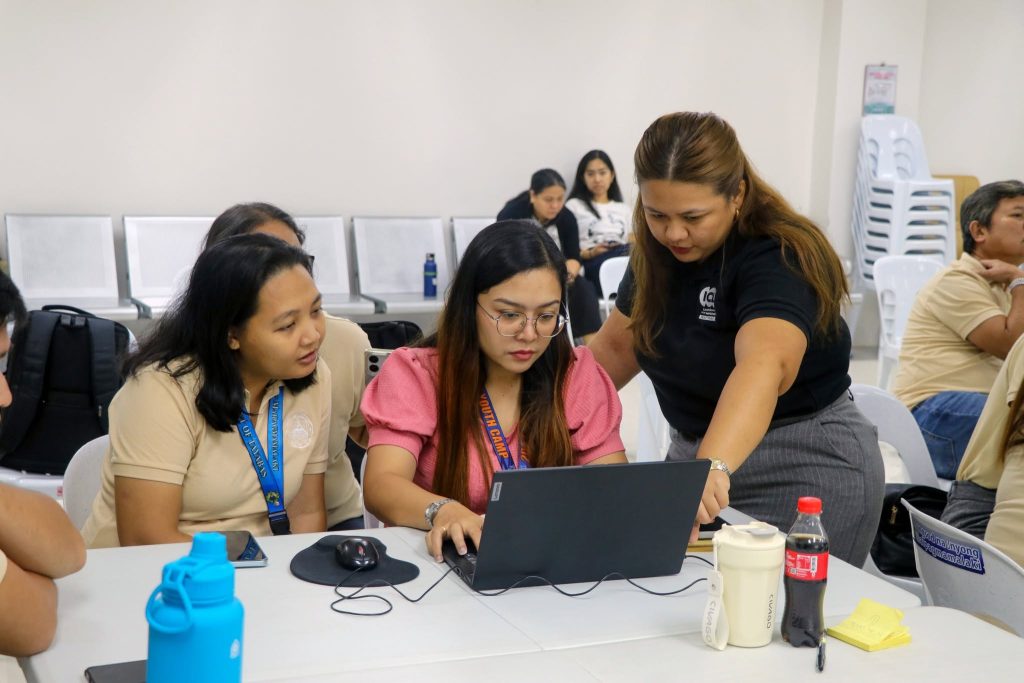
Kristianne Jemi Santos (rightmost), ICLEI SEA Senior Project Officer, facilitates the capacity-building workshop on community-level greenhouse gas (GHG) inventory for the Tayabas City Government last September 3, 2026 as part of the continuing support and assistance to participating cities of the WWF One Planet Cities Challenge 2025-2026 cycle. (Photo from the Tayabas City Environment and Natural Resources Office Facebook page)
Throughout the process, the LGU staff identified challenges in data collection for the GHG inventory, such as outdated and incomplete LGU data, inconsistent data formats from various sources, delayed submissions and reservations from external data providers, and the insufficient number of technical personnel who can undertake and oversee the process of GHG inventory development.
The CENRO expressed its commitment to complete the setup of its GHG Inventory Team, close priority data gaps, validate and standardize data collected, calculate emissions, and institutionalize the GHG inventory process.
Aside from facilitating, the ICLEI SEA team also organized the activity data and calculation spreadsheets, which will be used by Tayabas City to continue its GHG inventory development.
The OPCC, the flagship activity of the One Planet Cities Program, is a friendly competition designed by WWF to develop and disseminate the best practices in climate mitigation and adaptation of cities worldwide by encouraging participating cities to report their climate actions, strategies, and data through a standardized international platform. Since the OPCC’s inception, WWF has partnered with ICLEI as its technical partner, mainly through the use of its online reporting platform for climate data, the CDP-ICLEI Track.
ICLEI SEA supports OPCC activities in the region through in-depth capacity-building workshops, mainly on climate data reporting using the CDP-ICLEI Track, but has expanded to include topics such as local climate action planning; GHG inventory, Inclusive Climate Action; Local Energy Efficiency and Conservation Plan (LEECP); and developing Climate and Disaster Risk Assessments (CDRA).
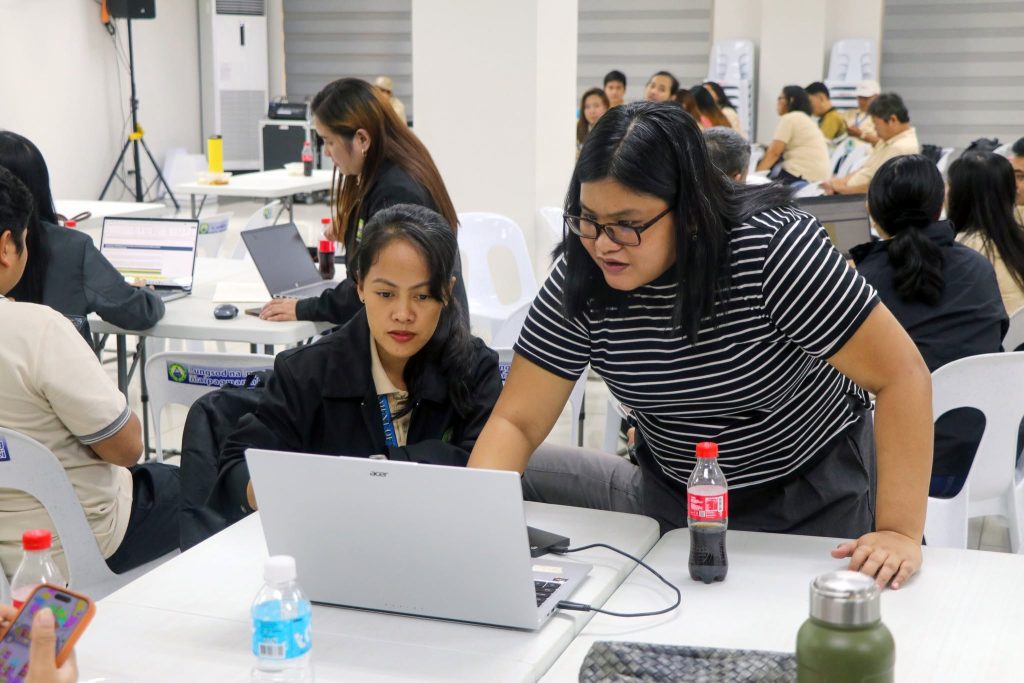
Pamela Cabacungan (right), ICLEI SEA Low Emission Development Strategies (LEDS) Manager, facilitates the capacity-building workshop on community-level greenhouse gas (GHG) inventory for the Tayabas City Government last September 3, 2026 as part of the continuing support and assistance to participating cities of the WWF One Planet Cities Challenge 2025-2026 cycle. (Photo from the Tayabas City Environment and Natural Resources Office Facebook page)
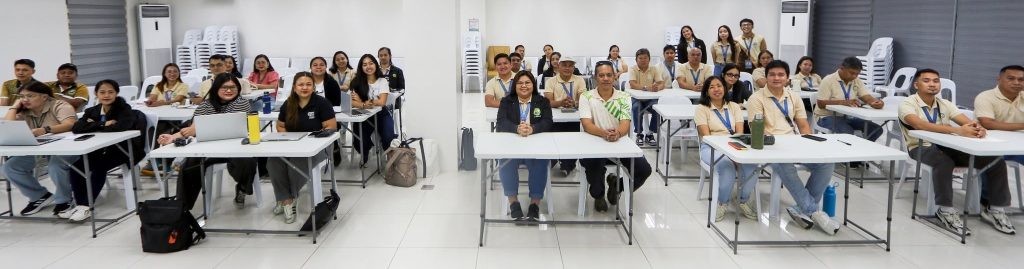
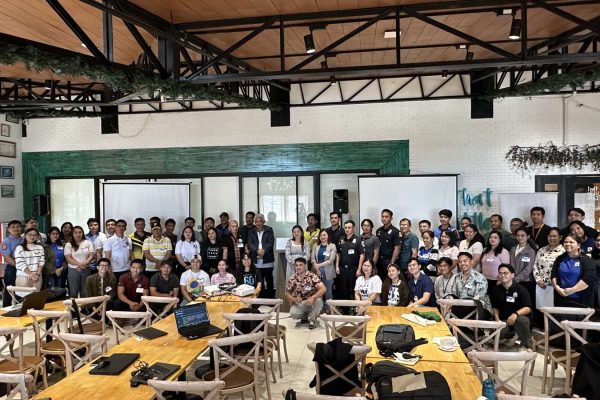
Over 30 LGU personnel of Tayabas City participated in the capacity-building workshop on community-level greenhouse gas (GHG) inventory last September 3, 2026, as part of the continuing support and assistance to participating cities of the WWF One Planet Cities Challenge 2025-2026 cycle. (Photo from the Tayabas City Environment and Natural Resources Office Facebook page)