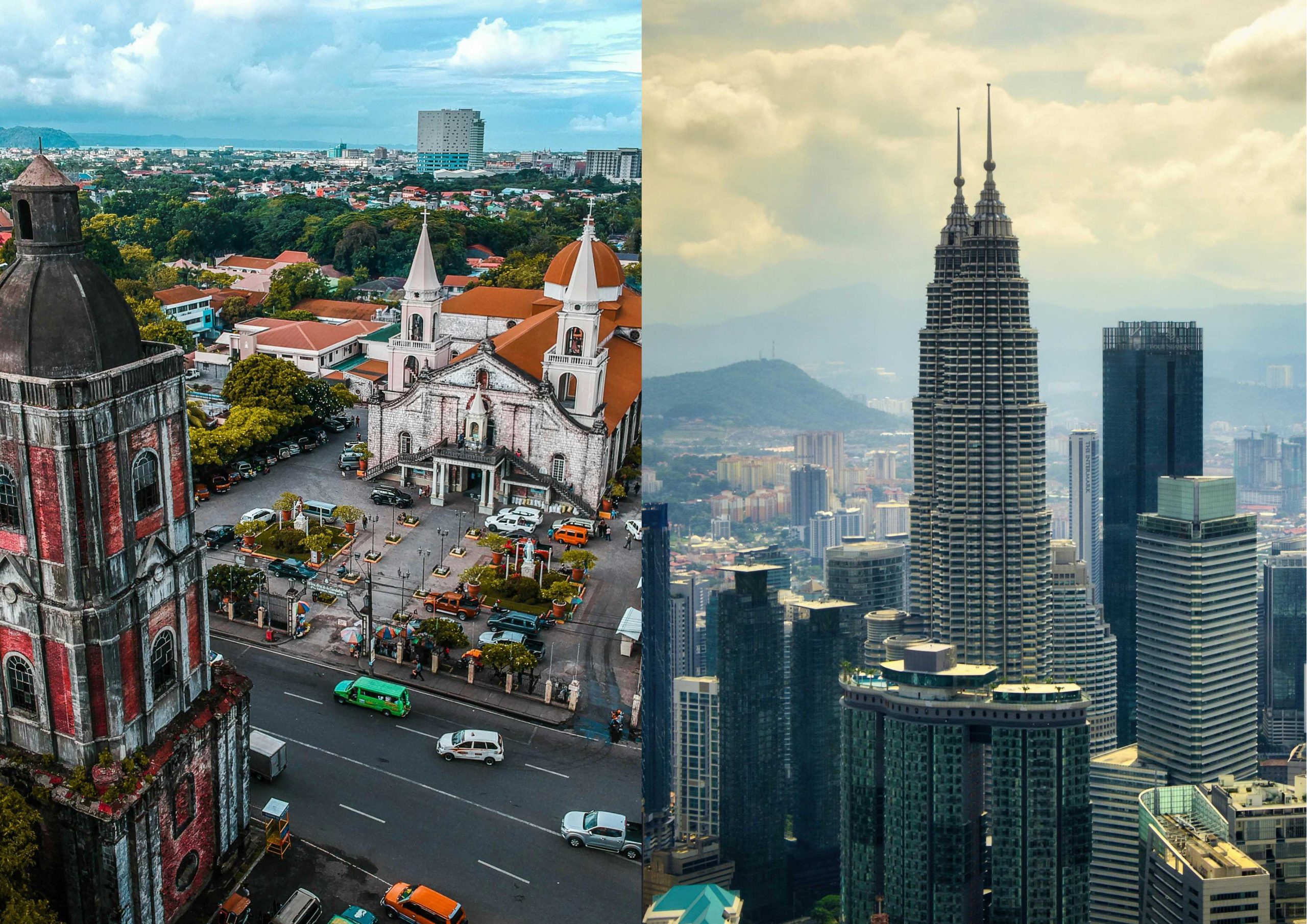
Left photo: Janssen Panizales/Pexels; Right photo: Joerg Hartmann/Pexels
Iloilo City, Philippines and Kuala Lumpur, Malaysia are among the inaugural 20 Cities Towards Zero Waste selected by the United Nations (UN) Secretary-General’s Advisory Board on Zero Waste.
20 Cities Towards Zero Waste is an initiative led by the UN Secretary-General’s Advisory Board on Zero Waste, with support from UN-Habitat and the UN Environment Programme (UNEP), that highlights cities demonstrating ambitious and innovative approaches to reducing waste, advancing circular economy solutions, and building more sustainable, resilient, and inclusive urban systems.
The initiative aims to recognize city leadership and innovation; promote exchange of good practices and lessons learned; inspire other cities to accelerate their transition toward zero waste; and support implementation of circular economy approaches at the local level.
While waste challenges remain, the selected cities were recognized for implementing a wide range of solutions, including food waste prevention, organic waste management, reuse and refill systems, inclusive recycling models supporting informal workers, policies to reduce single-use products, and community engagement initiatives to drive behaviour change.
According to the UN Secretary-General’s Advisory Board on Zero Waste, Iloilo City has been recognized for exemplifying sustainable urban governance with a waste management framework that is inclusive, innovative, community-driven, and designed for long-term resilience. Through a circular economy framework, Iloilo City has significantly advanced its waste diversion goals in three years, marked by a 48% rise in recyclable recovery and expanded organic waste composting, diverting substantial waste from the landfill. Aside from this, the city has also collaborated with waste consolidators, environmental organizations, the academe, and the formalized waste pickers’ association to enhance resource recovery and create economic opportunities.
Meanwhile, Kuala Lumpur was recognized for its ambitious ‘20:40 by 2040’ target under the Kuala Lumpur Towards Zero Waste 2040, a policy roadmap that aims to divert 20% of organic and 40% of non-organic waste from landfills by 2040, addressing both environmental challenges and high operational costs. Over the past three years, Kuala Lumpur has also reduced waste generation from 1.17 kg to 0.75 kg per capita per day despite rapid urbanization. Public participation has grown through initiatives such as the 1 Community 1 Recycling (1C1R) programme, which incentivizes recycling by allowing low-income households to exchange recyclables for essential goods or rent payments. The city also follows its 4P (Public-Private-People Partnership) model, involving national agencies, private sector actors, and civil society, alongside the rollout of Zero Waste Zones across all 11 parliamentary constituencies.
The two cities are ICLEI Southeast Asia members, and among the 10 ICLEI members around the world that made it to the 20 Cities Towards Zero Waste list.